Educational article
Osteoporosis Risk: What We Inherit and What We Can Change

Educational content. It does not replace an individual medical assessment and should not be used for self-medication.
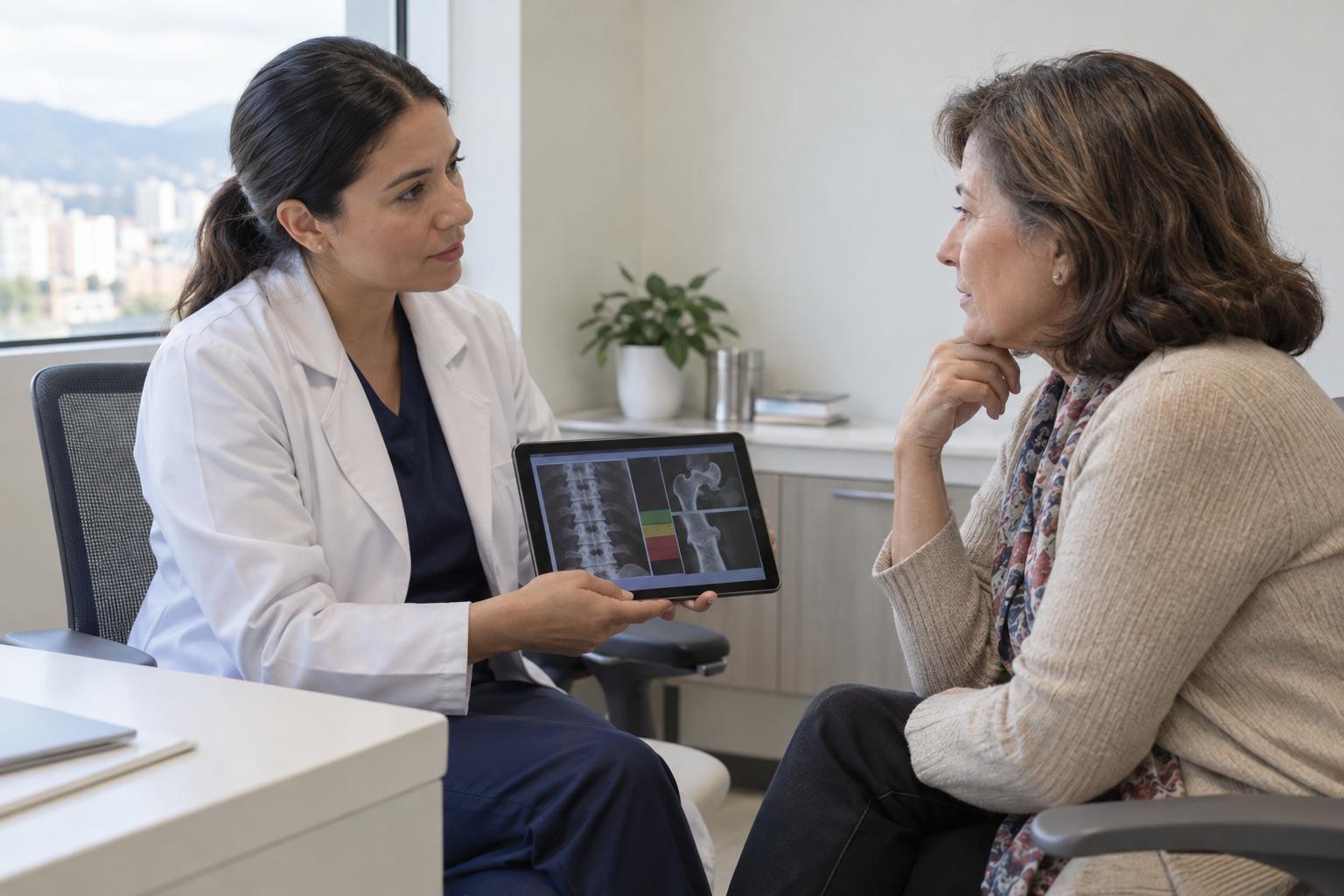
What It Means to Be at Risk for Osteoporosis
Osteoporosis reduces bone strength and can increase the likelihood of fractures. Risk usually depends on several factors, such as age, heredity, hormonal changes, certain medical conditions, and some habits. Having one or more risk factors does not, by itself, mean that a person has osteoporosis.
Factors We Cannot Change
As we age, the balance between bone formation and bone loss can change. It is also useful to know whether a close family member had osteoporosis or a fragility fracture. This history provides information for assessing risk, but it does not determine the outcome by itself.
Hormonal Changes and Medical Conditions
Menopause, especially when it occurs at an early age, can affect bone health because of the associated hormonal changes. Certain medical conditions and treatments can also affect the bones. Discuss relevant diagnoses and medications with your health care professional; do not stop or change a treatment on your own.
Habits That May Help, Without Blame
Physical activity adapted to each person’s abilities, including activities that work the muscles and place weight on the bones, may contribute to bone health. It is also helpful to maintain an adequate, varied diet, avoid tobacco, and limit alcohol consumption. These habits do not eliminate all risk factors or replace an assessment when one is indicated.
An Active Lifestyle Does Not Tell the Whole Story
A person may eat well and stay active and still have factors related to age, heredity, hormonal changes, or a medical condition. Considering the combination of factors can help avoid blame and guide a conversation toward what can be assessed.
How Individual Risk Is Assessed
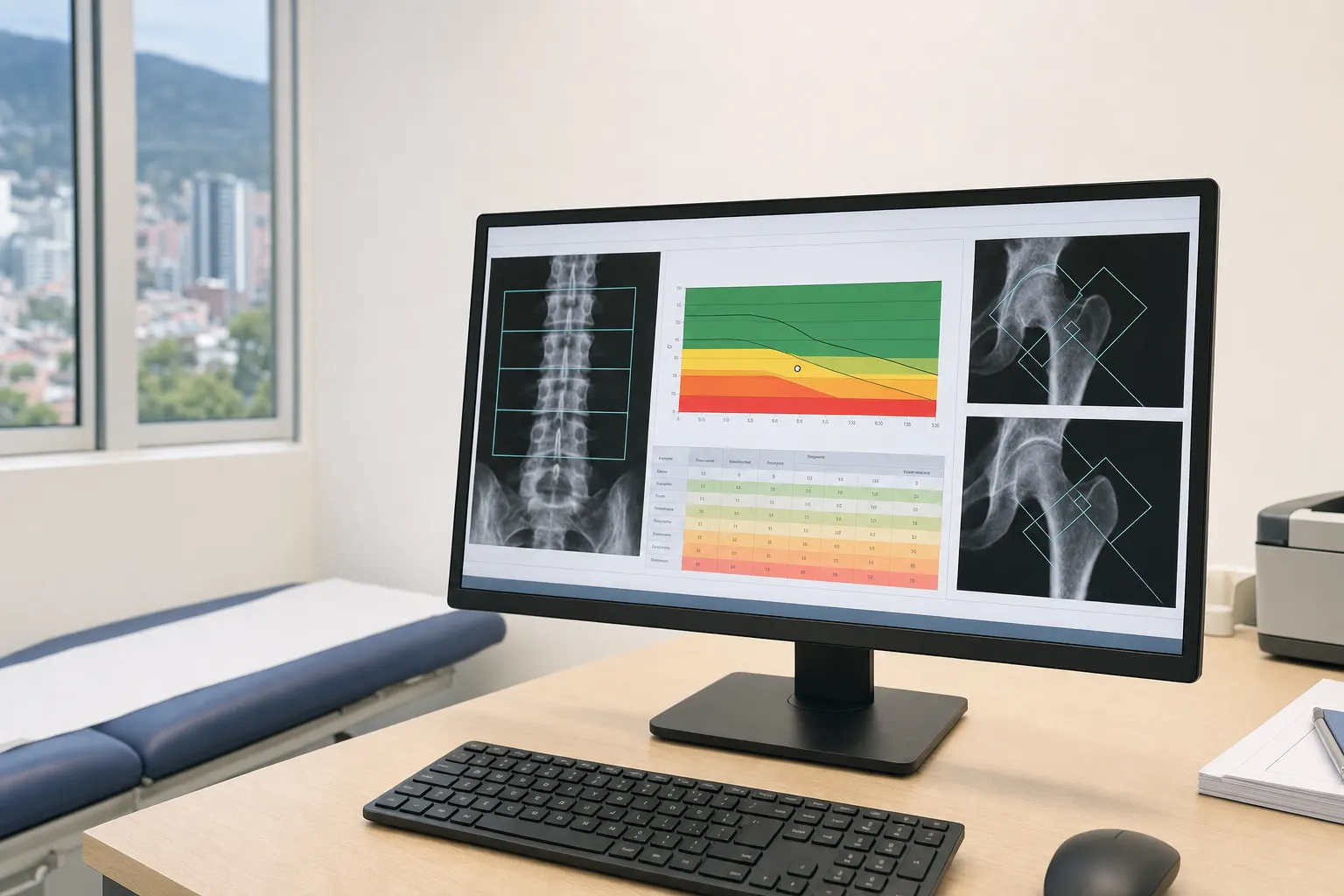
An assessment considers medical history, age, fracture history, family history, menopause, and conditions or treatments that may affect the bones, among other information. Depending on the case, a health care professional may order a bone density test, such as a bone density scan. The result is interpreted along with medical history and does not, by itself, explain all the factors.
When It May Be Helpful to Consult a Professional
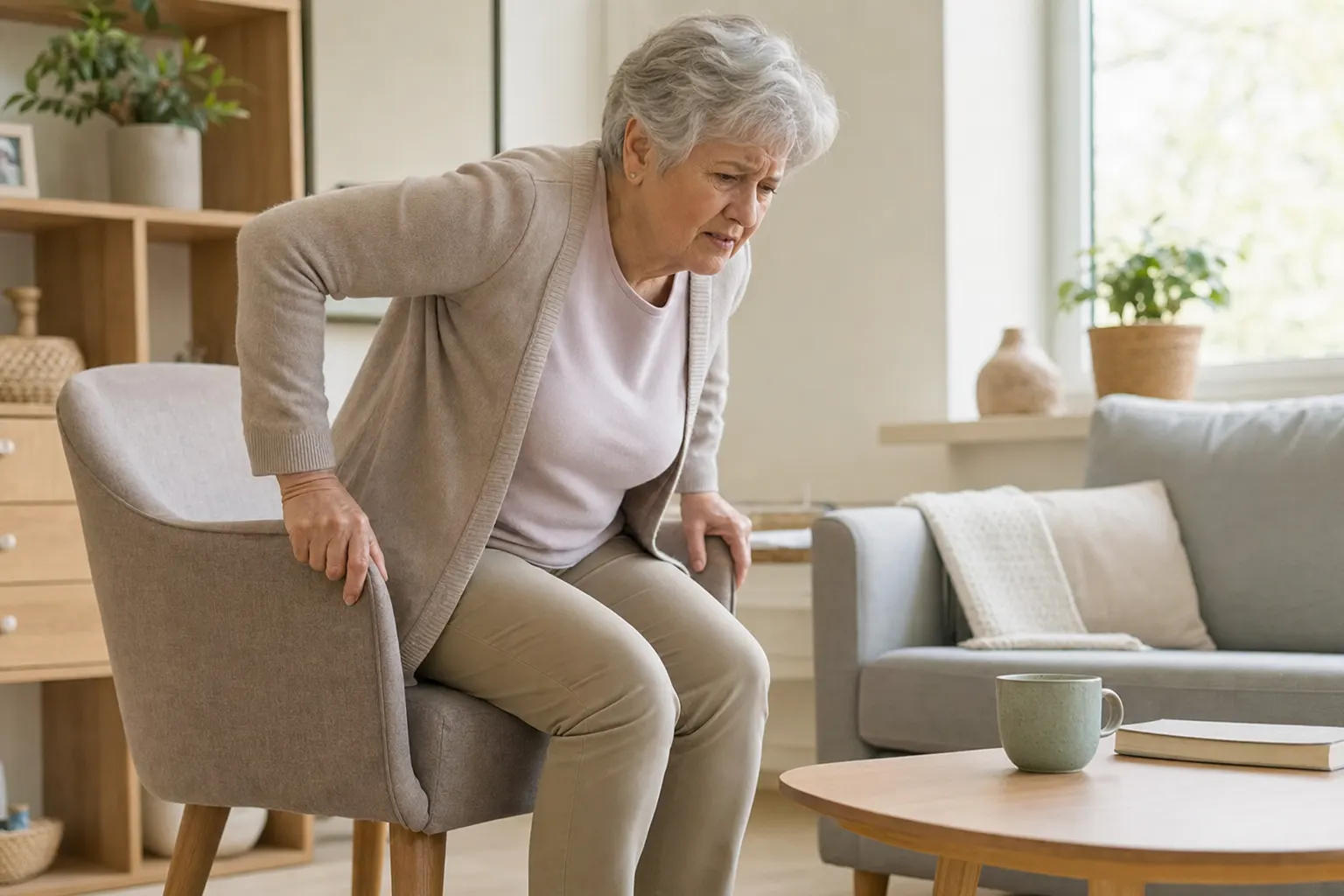
Osteoporosis can progress without noticeable symptoms. A fracture after a minor impact may be a reason to review bone health, although it does not, by itself, confirm osteoporosis. It may also be helpful to talk with a health care professional if you have a relevant family history, early menopause, a medical condition, or a treatment that may affect the bones. Whether testing is needed, and when, depends on each case.
Common Misconceptions About Bone Health Risk
Osteoporosis is not caused only by habits: eating well does not rule it out, and a family history does not confirm that it will develop. It is also best not to start supplements or change treatments without guidance. If you have concerns, share any medical and family history you know about so your health care team can assess whether additional evaluation is needed.
When to seek medical care
If symptoms persist, test results are abnormal, or you have questions about medication, arrange an individual assessment. Do not change treatment or doses without medical guidance.
Frequently asked questions
If I have a family history of osteoporosis, will I necessarily develop it?
No. Family history provides information for assessing risk, but it does not, by itself, determine whether a person will develop osteoporosis.
Do a healthy diet and exercise eliminate the risk?
No. They may contribute to bone health, but they do not cancel out factors such as age, heredity, certain hormonal changes, or some medical conditions.
Does everyone with risk factors need a bone density test?
Not necessarily. A health care professional determines whether the test is appropriate based on each person’s medical history and individual characteristics.
Does this topic resonate with you?
Every case is different. Book a consultation to review your history, test results and goals with a personalized plan.
More articles about Osteoporosis
5 min de lectura
Publicado: 8 de noviembre de 2026 · Actualizado: 8 de noviembre de 2026
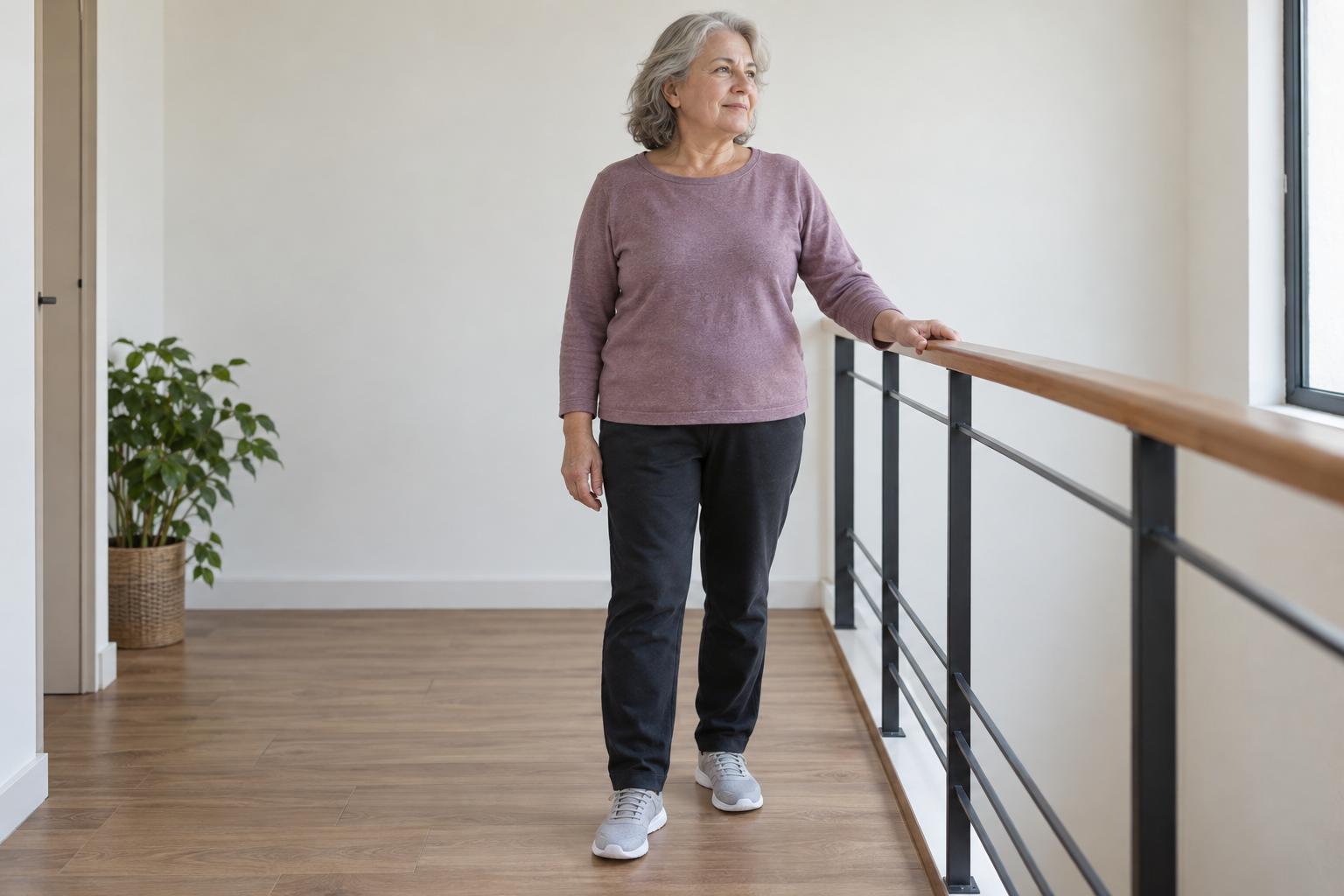
Moving with Osteoporosis: How to Care for Your Balance and Strength While Staying Active
Physical activity can support strength and mobility with osteoporosis. Learn about its components, how to start gradually, and what to discuss when adapting movement to your needs.
5 min de lectura
Publicado: 6 de noviembre de 2026 · Actualizado: 6 de noviembre de 2026
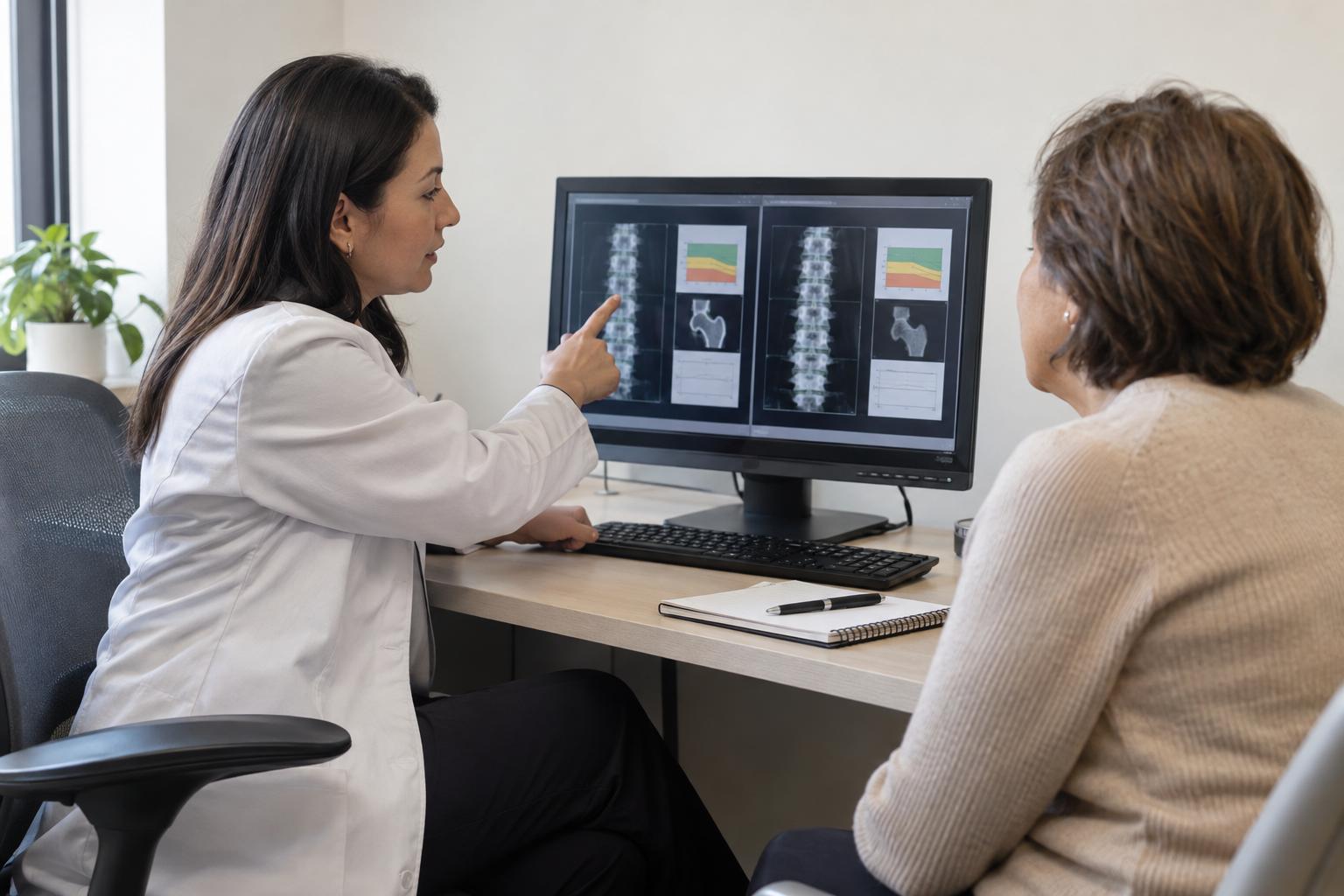
Osteoporosis Treatment: How to Measure Progress Beyond Bone Density Scans
The response to osteoporosis treatment is not usually something you can feel day to day. Learn how fractures, adherence to the treatment plan, and bone density scans are interpreted to assess risk and decide on next steps.

5 min de lectura
Publicado: 2 de noviembre de 2026 · Actualizado: 2 de noviembre de 2026
Osteoporosis and Travel: Plan Your Checkups and Care Before You Leave
Review what to coordinate before traveling if you have osteoporosis: upcoming checkups, prescribed medications, instructions for the journey, and what to do if you fall.
5 min de lectura
Publicado: 30 de octubre de 2026 · Actualizado: 30 de octubre de 2026
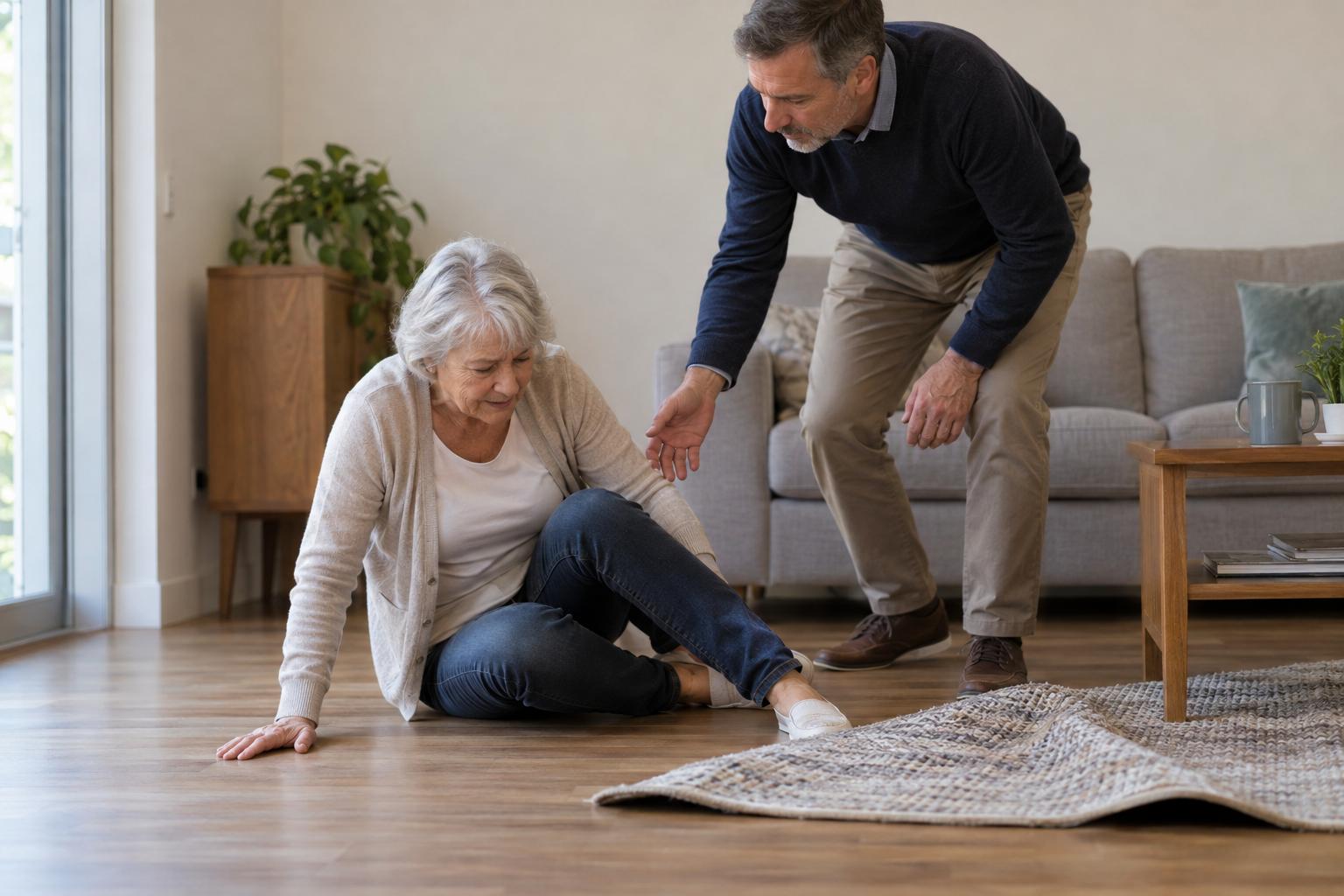
From Fragile Bones to Fracture: What Predisposes You and What Can Trigger It
A fall can precipitate a fracture, but it usually does not explain preexisting bone fragility on its own. Learn about factors that may predispose someone to osteoporosis and how bone health is evaluated after a fracture.
5 min de lectura
Publicado: 2 de octubre de 2026 · Actualizado: 2 de octubre de 2026
Key Factors for Diagnosing Osteoporosis: Personal History and Essential Data
Analyzes the personal history and essential data for an accurate diagnosis of osteoporosis in Bogotá.
5 min de lectura
Publicado: 28 de septiembre de 2026 · Actualizado: 28 de septiembre de 2026
Osteoporosis: Signs You Should Watch For Before Consulting a Specialist
Discover the signs and symptoms of osteoporosis you should watch for to seek medical help in time.