Educational article
Common Mistakes When Preparing for Bone Densitometry Exams

Dr. Teresita Cortés Segura, medical reviewer
Author and medical review: Dra. Teresita del Niño Jesús Cortés Segura, endocrinologist.
Location: Bogotá, Colombia.
Published: September 24, 2026 · Updated: September 24, 2026 · 5 min read.
Educational content. It does not replace an individual medical assessment and should not be used for self-medication.
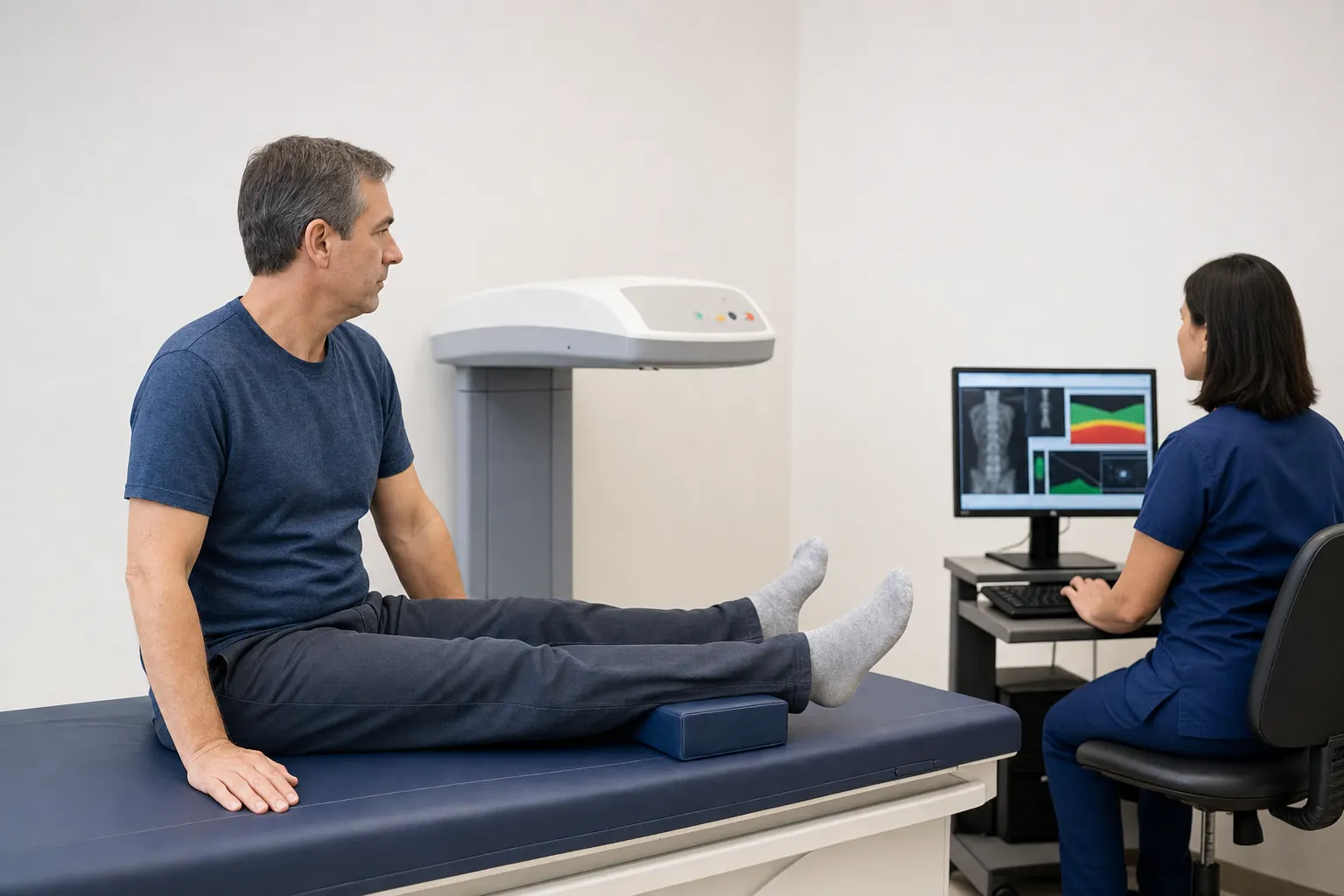
What is Osteoporosis?
Osteoporosis is a disease that weakens bones, increasing the risk of fractures. It is characterized by a decrease in bone density, making bones more fragile and susceptible to injury.
Signs and Symptoms of Osteoporosis
In its early stages, osteoporosis may not present obvious symptoms. However, some signs to watch for include: - Frequent or unexpected fractures. - Back pain, which may be caused by fractures in the vertebrae. - Loss of height over time.
How is Osteoporosis Diagnosed?
Osteoporosis is primarily diagnosed through bone densitometry, an exam that measures bone mineral density. This test is crucial for assessing fracture risk and determining appropriate treatment.
Common Mistakes When Preparing for Bone Densitometry Exams
1. **Not following pre-exam instructions**: It is vital to follow the specific instructions from your doctor, such as avoiding certain medications or supplements before the test. 2. **Not informing about previous medical conditions**: Some conditions can affect densitometry results, so it is important to communicate them to the healthcare professional. 3. **Not bringing complete medical history**: Having your medical history on hand, including previous treatments and any related conditions, can assist in interpreting the results.
Tips for Proper Preparation
- **Consult with your doctor**: Before the exam, make sure you understand all instructions and clarify any doubts. - **Avoid food and drinks**: Generally, it is recommended not to consume food or beverages before the densitometry, but verify specific recommendations with your doctor.
When to Consult a Doctor?
It is advisable to consult a doctor if you experience symptoms such as frequent fractures, unexplained back pain, or have a family history of osteoporosis. Early diagnosis can help prevent complications.
When to seek medical care
If symptoms persist, test results are abnormal, or you have questions about medication, arrange an individual assessment. Do not change treatment or doses without medical guidance.
Frequently asked questions
What types of exams are used to diagnose osteoporosis?
Bone densitometry is the most common exam used to diagnose osteoporosis, as it measures bone mineral density.
Is having a bone densitometry exam painful?
No, bone densitometry is a painless and quick procedure that does not require anesthesia.
How often should I have osteoporosis exams?
The frequency of exams depends on individual risk factors and should be determined by a doctor.
More articles about Osteoporosis
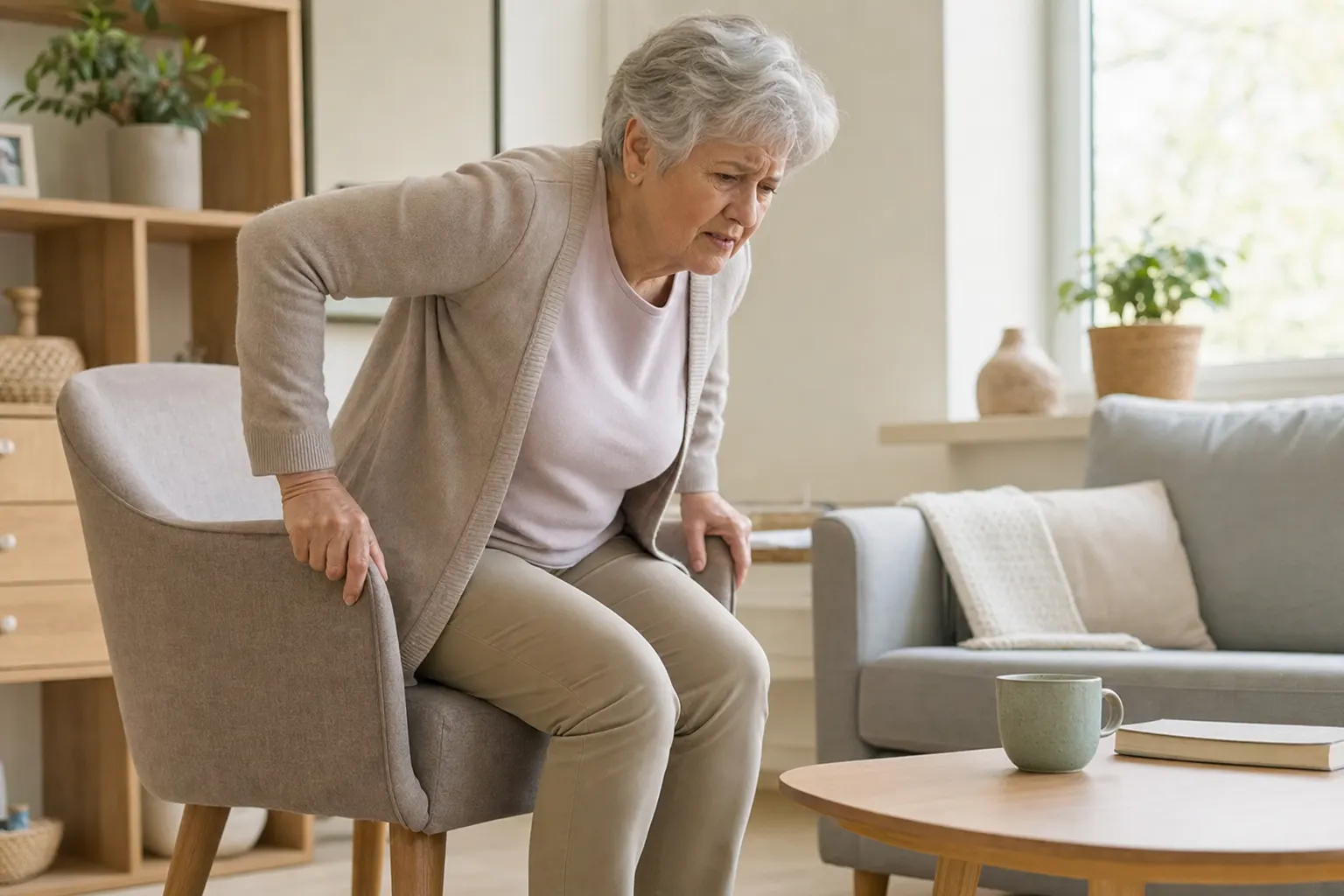
5 min de lectura
Publicado: 28 de septiembre de 2026 · Actualizado: 28 de septiembre de 2026
Osteoporosis: Signs You Should Watch For Before Consulting a Specialist
Discover the signs and symptoms of osteoporosis you should watch for to seek medical help in time.
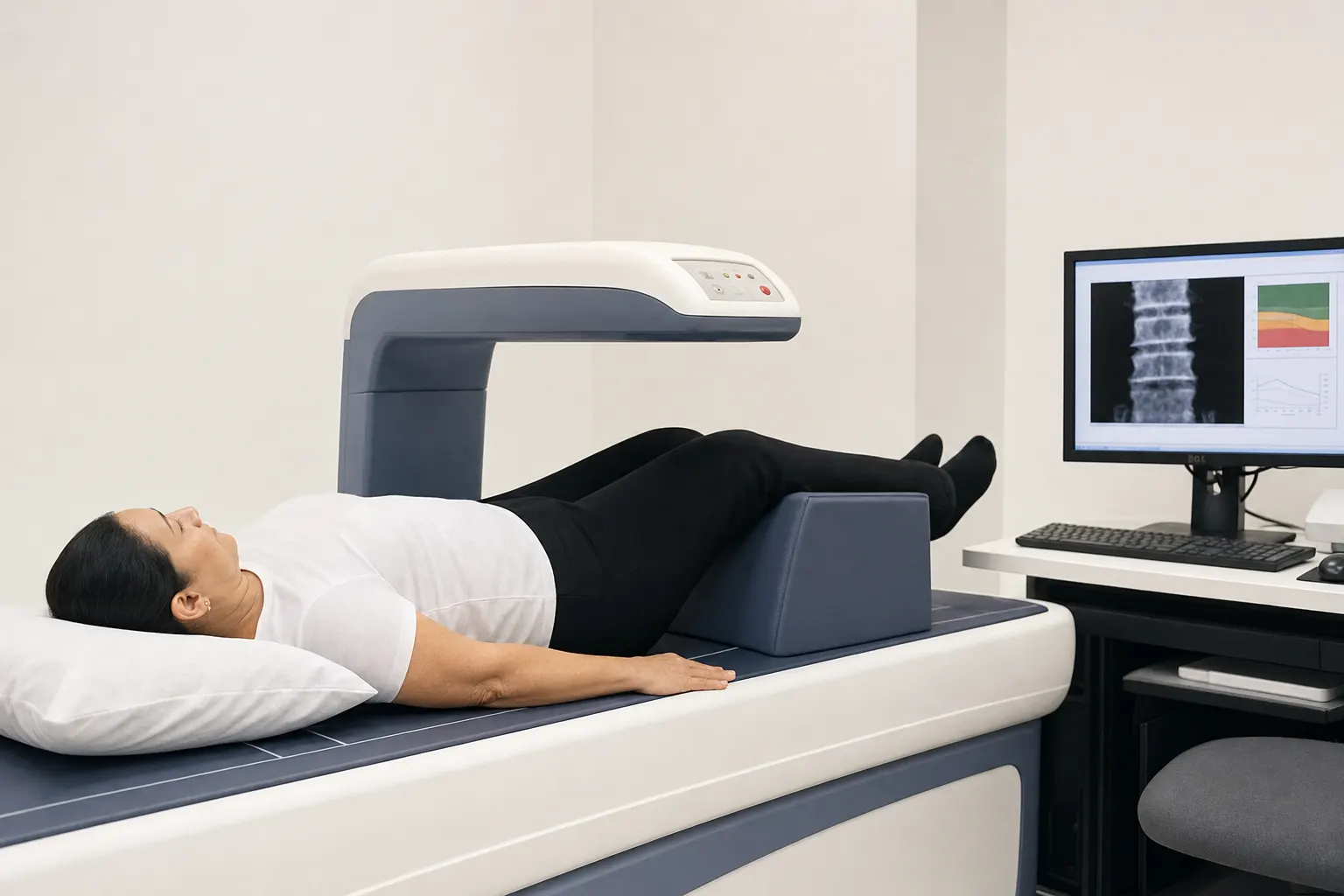
5 min de lectura
Publicado: 21 de septiembre de 2026 · Actualizado: 21 de septiembre de 2026
Osteoporosis: Diagnostic Methods and Essential Exams for Your Bone Health in Bogotá
Learn about the diagnostic methods for osteoporosis and how to care for your bone health in Bogotá, including essential exams like bone densitometry.
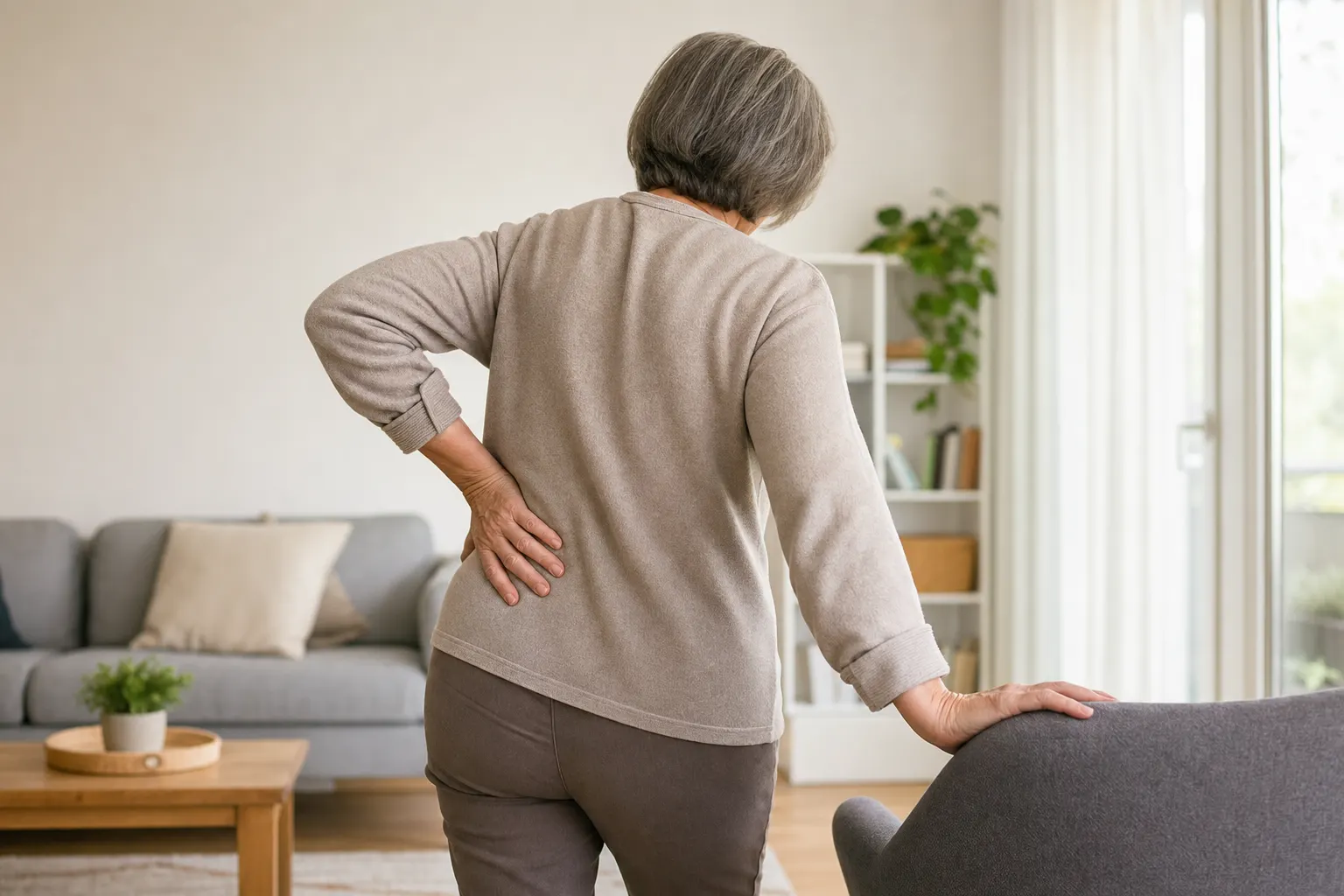
8 min de lectura
Publicado: 14 de septiembre de 2026 · Actualizado: 14 de septiembre de 2026
Essential Screenings to Identify Osteoporosis Complications in Early Stages
Learn about the importance of early detection of osteoporosis complications and the essential screenings for their identification.
5 min de lectura
Publicado: 3 de septiembre de 2026 · Actualizado: 3 de septiembre de 2026
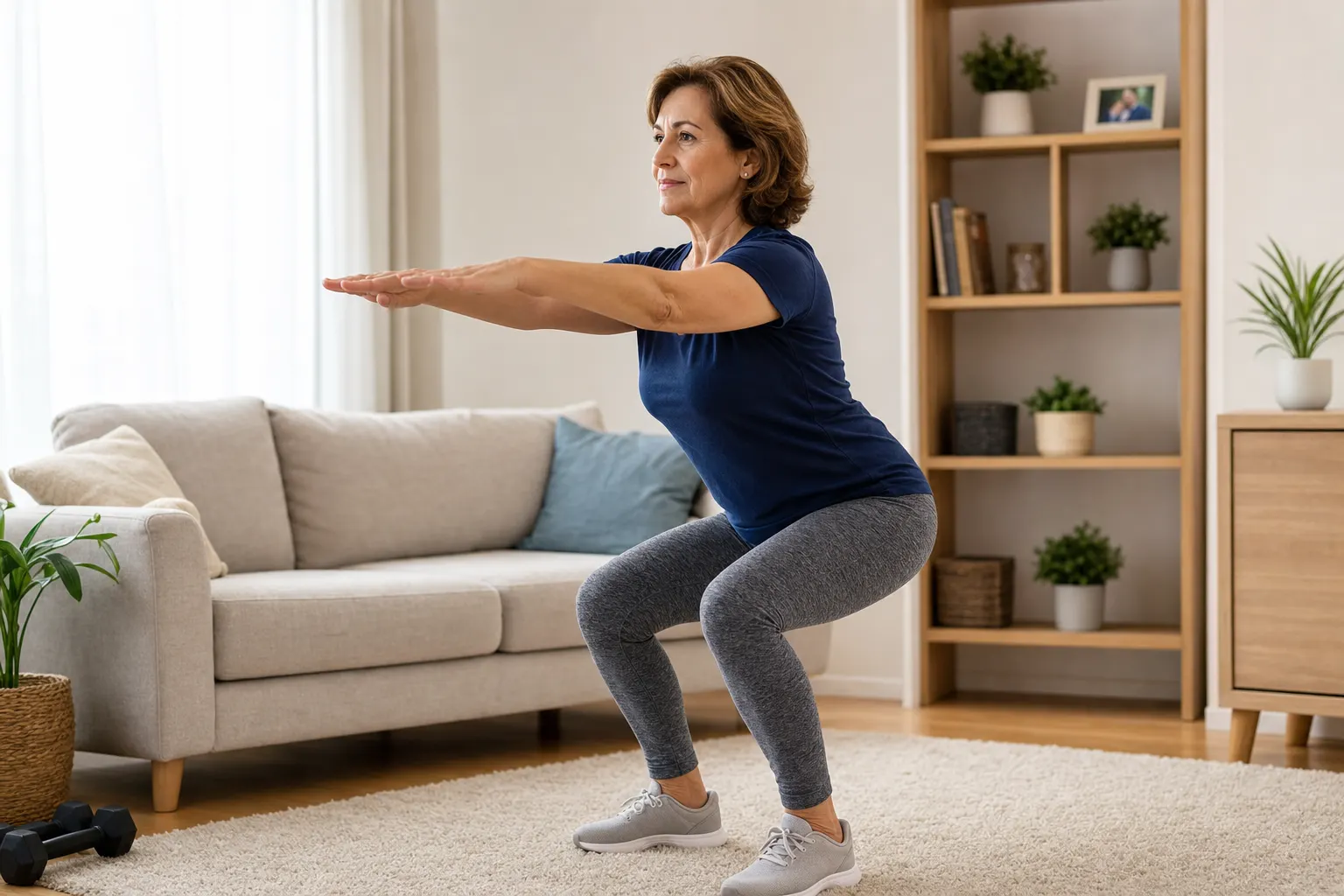
Osteoporosis: Common Treatment Mistakes and How to Implement Safe Strategies
Learn about common mistakes in osteoporosis treatment and how to implement safe management strategies.
5 min de lectura
Publicado: 24 de agosto de 2026 · Actualizado: 24 de agosto de 2026
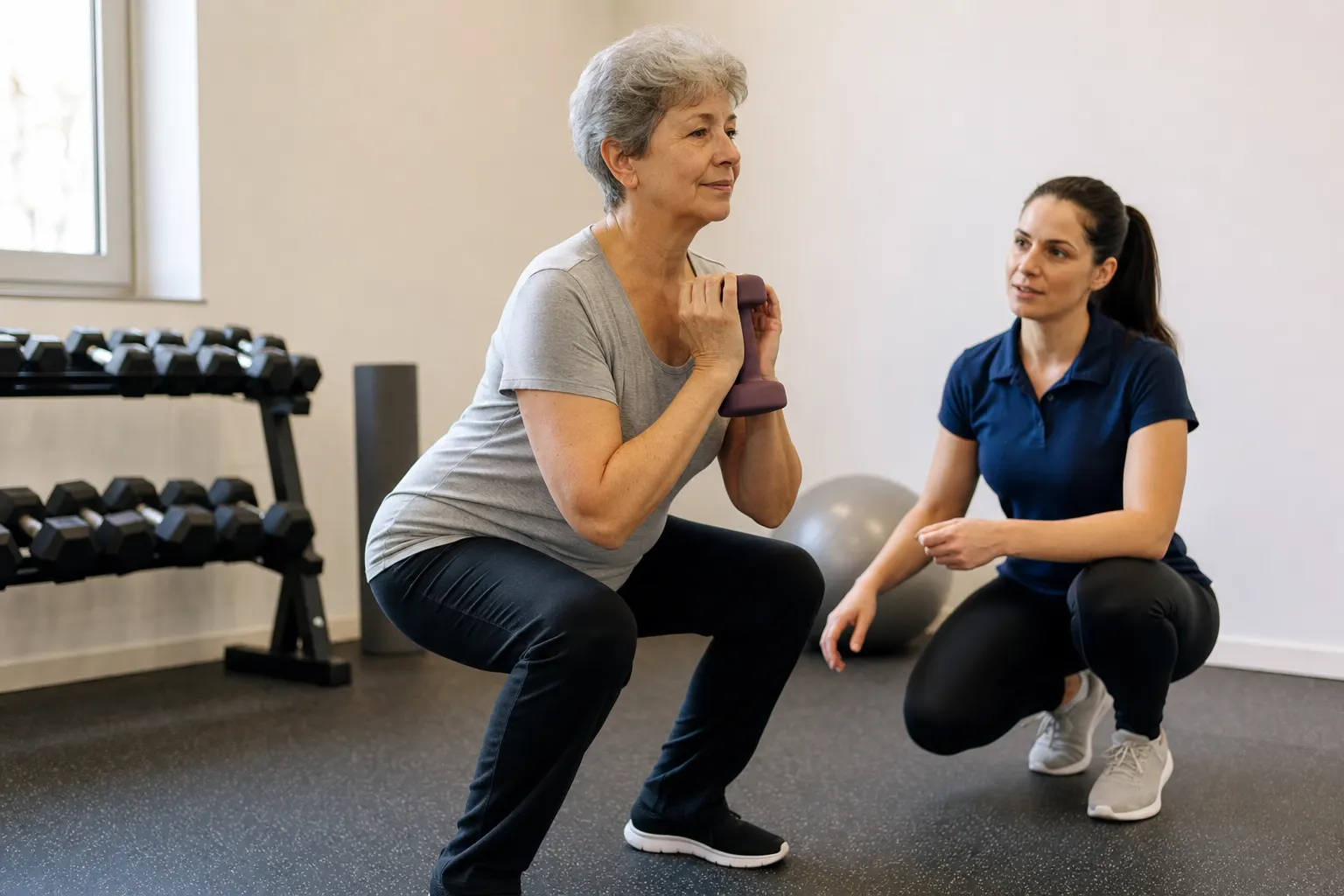
Osteoporosis: Establishing a Plan for Sustainable Habits and Personalized Follow-Up
Discover how to establish sustainable habits and personalized follow-up to effectively manage osteoporosis.

5 min de lectura
Publicado: 18 de septiembre de 2026 · Actualizado: 18 de septiembre de 2026
Osteoporosis: Subtle Symptoms That May Go Unnoticed and When to Seek Urgent Care
Discover the subtle symptoms of osteoporosis that can be overlooked and when it is necessary to seek medical attention.