Educational article
Osteoporosis: Diagnostic Methods and Essential Exams for Your Bone Health in Bogotá

Dr. Teresita Cortés Segura, medical reviewer
Author and medical review: Dra. Teresita del Niño Jesús Cortés Segura, endocrinologist.
Location: Bogotá, Colombia.
Published: September 21, 2026 · Updated: September 21, 2026 · 5 min read.
Educational content. It does not replace an individual medical assessment and should not be used for self-medication.
1. What is osteoporosis?
Osteoporosis is a disease that weakens bones, increasing the risk of fractures. It is crucial to detect osteoporosis early to implement preventive measures.
2. Importance of early diagnosis
Early diagnosis of osteoporosis allows for the initiation of treatments that can prevent disease progression and reduce the risk of fractures.
3. Diagnostic methods
Diagnostic methods include: - **Bone densitometry:** This is the most common test to measure bone mineral density. - **X-rays:** These can help identify fractures and changes in the bones.
4. How is bone densitometry performed?
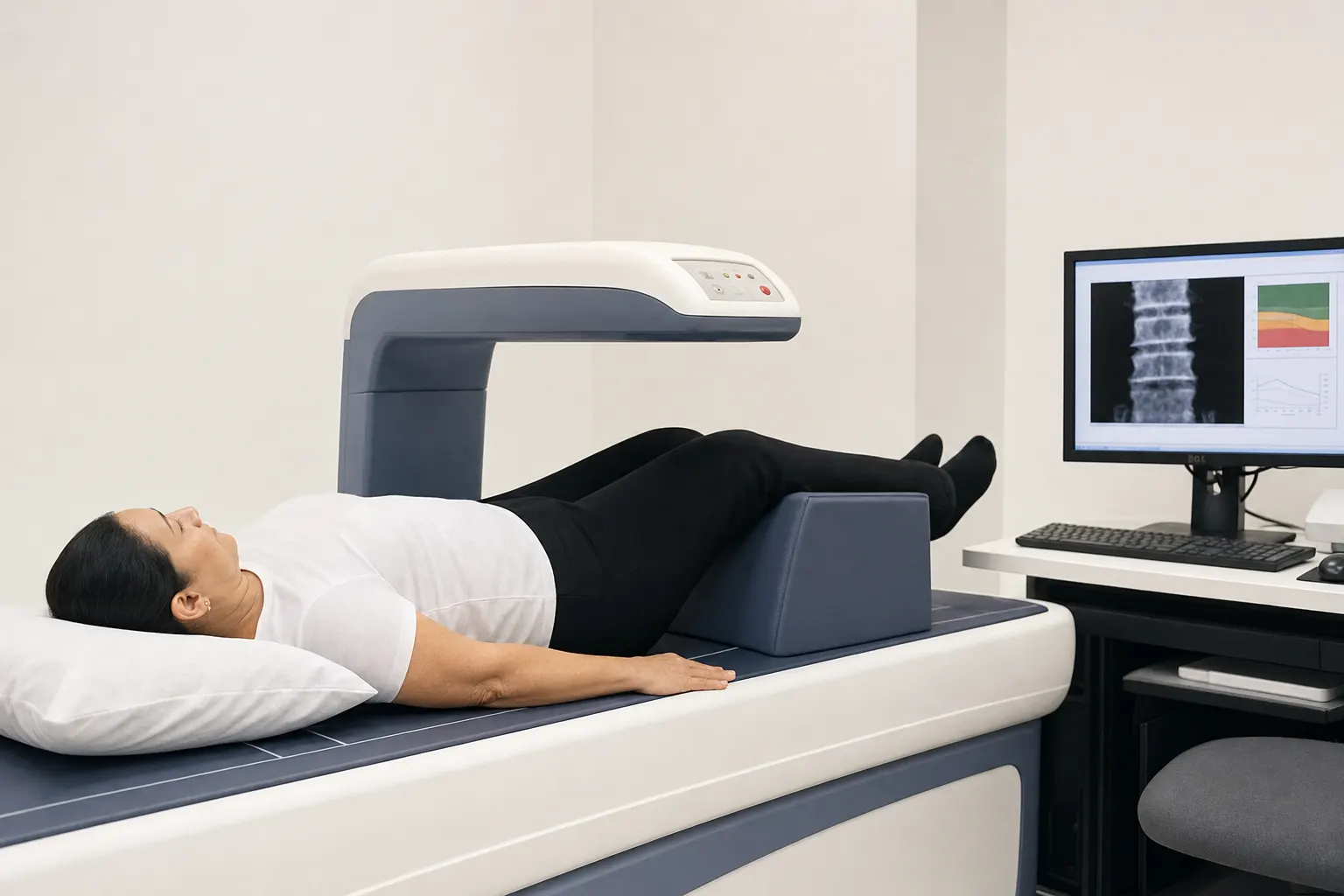
Bone densitometry is performed using special equipment that measures bone density, usually in the hip and spine. It is a quick and non-invasive procedure.
5. Interpretation of results
Bone densitometry results are expressed as a T-score, which compares the patient’s bone density to that of a healthy young adult. A T-score below -2.5 indicates osteoporosis.
6. Warning signs
It is important to watch for signs such as frequent fractures, loss of height, or unexplained back pain, which may indicate bone problems.
7. Follow-up plan
After diagnosis, it is essential to follow a treatment plan that includes dietary changes, exercise, and medication if necessary. Scheduling regular check-ups is key to monitoring bone health.
When to seek medical care
If symptoms persist, test results are abnormal, or you have questions about medication, arrange an individual assessment. Do not change treatment or doses without medical guidance.
Frequently asked questions
At what age should I have my first bone densitometry?
It is recommended to have the first bone densitometry starting at age 65 for women and 70 for men, or earlier if there are risk factors.
What factors increase the risk of osteoporosis?
Factors such as age, family history, low physical activity, excessive alcohol consumption, and smoking can increase the risk of osteoporosis.
How can I prevent osteoporosis?
Maintaining a diet rich in calcium and vitamin D, exercising regularly, and avoiding tobacco are key measures to prevent osteoporosis.
More articles about Osteoporosis
5 min de lectura
Publicado: 28 de septiembre de 2026 · Actualizado: 28 de septiembre de 2026
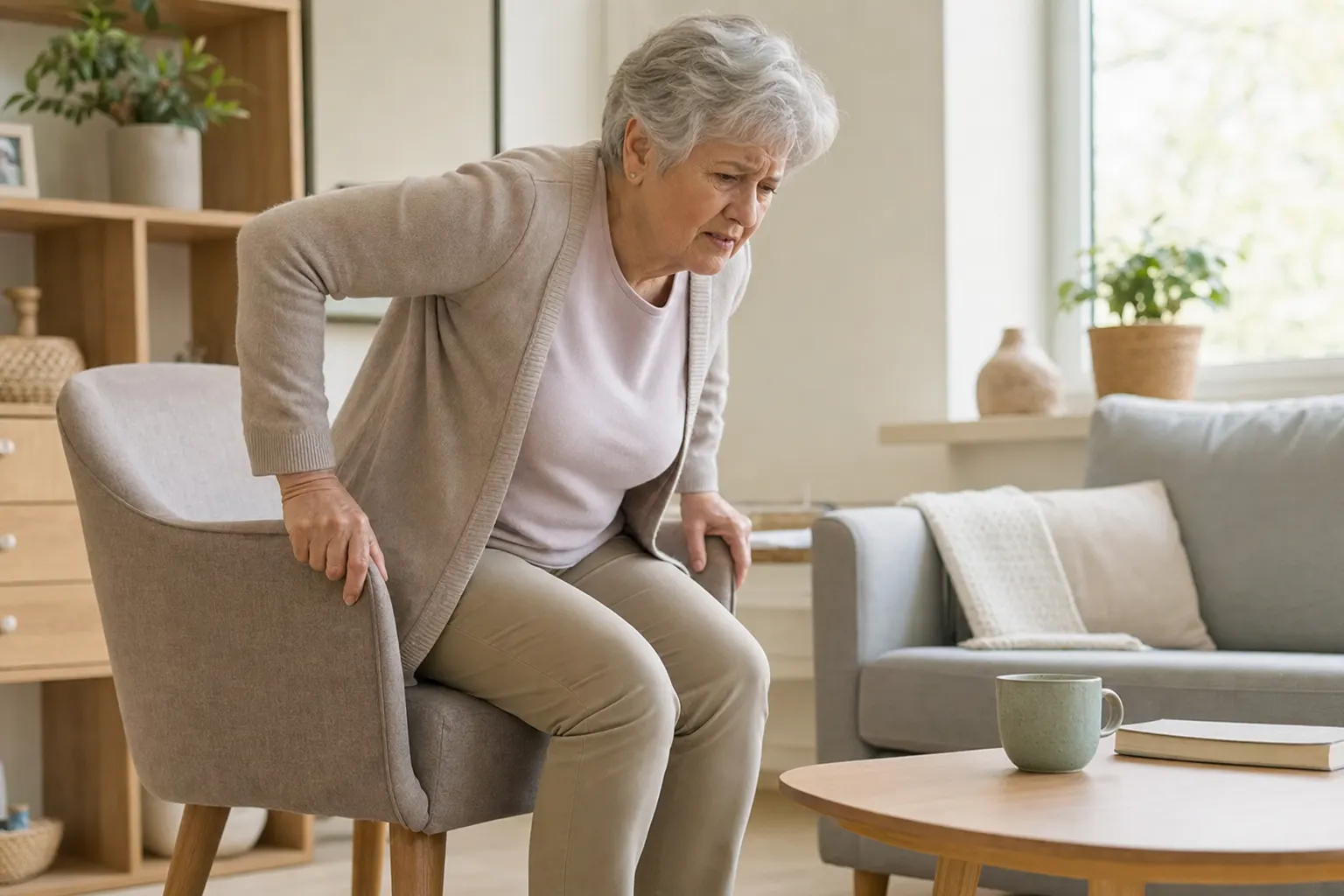
Osteoporosis: Signs You Should Watch For Before Consulting a Specialist
Discover the signs and symptoms of osteoporosis you should watch for to seek medical help in time.
5 min de lectura
Publicado: 24 de septiembre de 2026 · Actualizado: 24 de septiembre de 2026
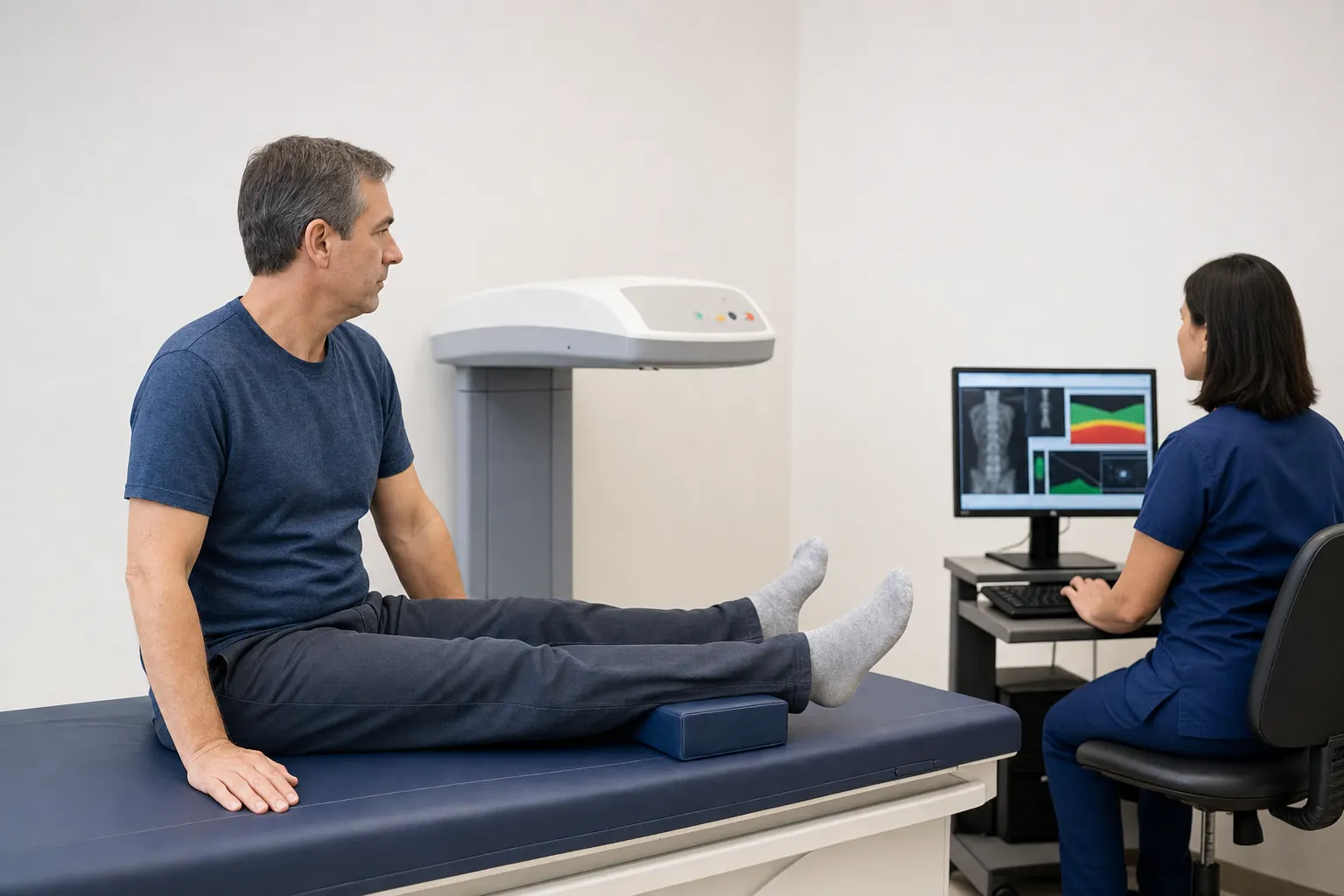
Common Mistakes When Preparing for Bone Densitometry Exams
Discover the most common mistakes when preparing for bone densitometry exams and how to avoid them to ensure accurate and reliable results.
8 min de lectura
Publicado: 14 de septiembre de 2026 · Actualizado: 14 de septiembre de 2026
Essential Screenings to Identify Osteoporosis Complications in Early Stages
Learn about the importance of early detection of osteoporosis complications and the essential screenings for their identification.

5 min de lectura
Publicado: 3 de septiembre de 2026 · Actualizado: 3 de septiembre de 2026
Osteoporosis: Common Treatment Mistakes and How to Implement Safe Strategies
Learn about common mistakes in osteoporosis treatment and how to implement safe management strategies.

5 min de lectura
Publicado: 24 de agosto de 2026 · Actualizado: 24 de agosto de 2026
Osteoporosis: Establishing a Plan for Sustainable Habits and Personalized Follow-Up
Discover how to establish sustainable habits and personalized follow-up to effectively manage osteoporosis.

5 min de lectura
Publicado: 18 de septiembre de 2026 · Actualizado: 18 de septiembre de 2026
Osteoporosis: Subtle Symptoms That May Go Unnoticed and When to Seek Urgent Care
Discover the subtle symptoms of osteoporosis that can be overlooked and when it is necessary to seek medical attention.