Educational article
Osteoporosis: What Does an Abnormal Result Mean and What Steps Should You Take?

Dr. Teresita Cortés Segura, medical reviewer
Author and medical review: Dra. Teresita del Niño Jesús Cortés Segura, endocrinologist.
Location: Bogotá, Colombia.
Published: May 15, 2026 · Updated: May 15, 2026 · 5 min read.
Educational content. It does not replace an individual medical assessment and should not be used for self-medication.
What is osteoporosis?
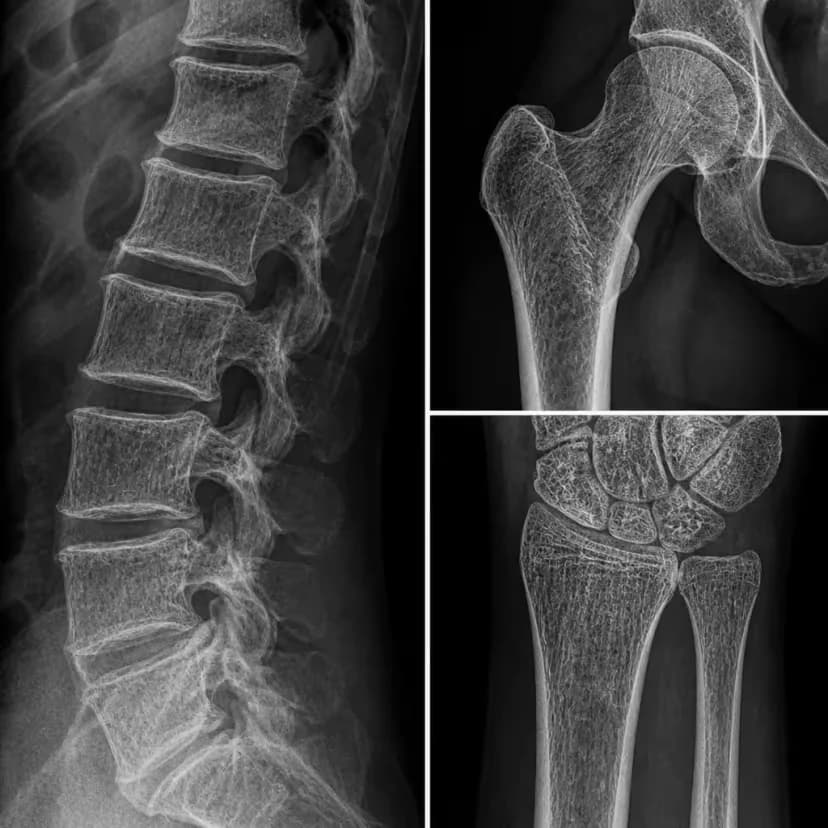
Osteoporosis is a medical condition characterized by decreased bone density, which increases the risk of fractures. Although it is more common in older adults, it can affect younger individuals with risk factors.
What does an abnormal result in diagnosis imply?
An abnormal result indicates that bone density is below what is expected, which may signal osteoporosis or a pre-osteoporotic condition, requiring medical evaluation.
Myth 1: Only older people have osteoporosis
False. Although it is more frequent in older adults, osteoporosis can affect younger people, especially if they have risk factors such as family history or certain medical conditions.
Myth 2: Osteoporosis is inevitable
It is not true that everyone develops osteoporosis. A healthy lifestyle, including a diet rich in calcium and vitamin D, as well as regular exercise, can reduce the risk.
What to do if I have an abnormal result?
It is crucial to consult an endocrinology specialist. They can recommend additional tests and appropriate treatments, which may include dietary changes, exercise, and in some cases, medications.
Signs indicating the need to see a doctor
If you experience frequent fractures, unexplained bone pain, or loss of height, seek medical attention to evaluate your bone health.
Myth 3: Osteoporosis only affects women
False. Although women have a higher risk, men can also develop osteoporosis, especially with age.
The importance of early detection
Detecting osteoporosis early can prevent fractures and improve quality of life. Undergoing bone density tests as recommended by your doctor is essential.
Treatment options
There are various treatment options, ranging from lifestyle changes to medications. It is essential to discuss with your doctor which alternative is most appropriate for you.
When to seek medical care
If symptoms persist, test results are abnormal, or you have questions about medication, arrange an individual assessment. Do not change treatment or doses without medical guidance.
Frequently asked questions
What factors increase the risk of osteoporosis?
Factors such as age, sex, family history, a diet low in calcium, lack of physical activity, and certain medications can increase the risk.
How is osteoporosis diagnosed?
Osteoporosis is primarily diagnosed through a bone density test, which measures the amount of mineral in the bones.
Is it possible to prevent osteoporosis?
Yes, maintaining a healthy lifestyle with a balanced diet and regular exercise can help prevent osteoporosis.
More articles about Osteoporosis
5 min de lectura
Publicado: 28 de septiembre de 2026 · Actualizado: 28 de septiembre de 2026
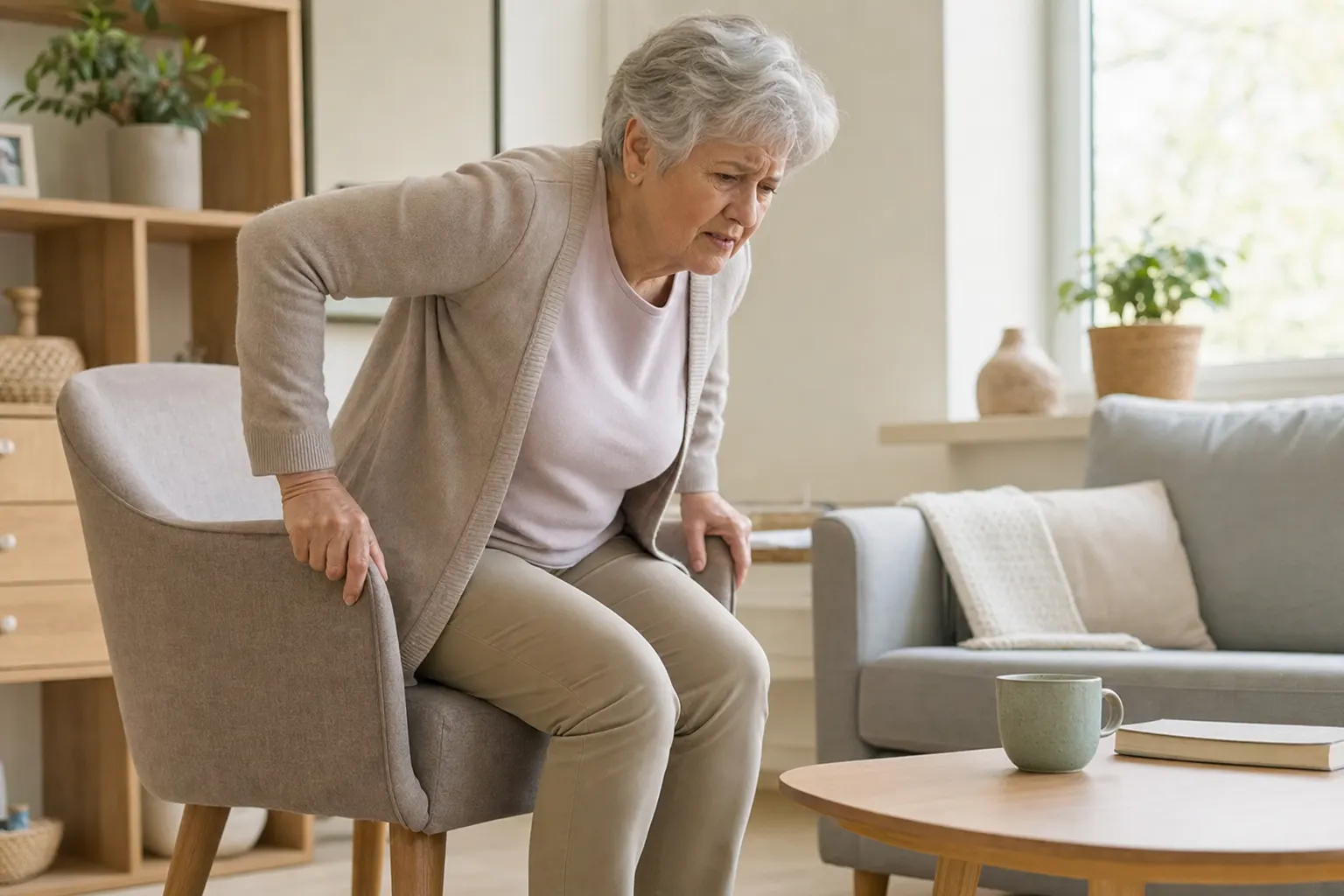
Osteoporosis: Signs You Should Watch For Before Consulting a Specialist
Discover the signs and symptoms of osteoporosis you should watch for to seek medical help in time.
5 min de lectura
Publicado: 24 de septiembre de 2026 · Actualizado: 24 de septiembre de 2026
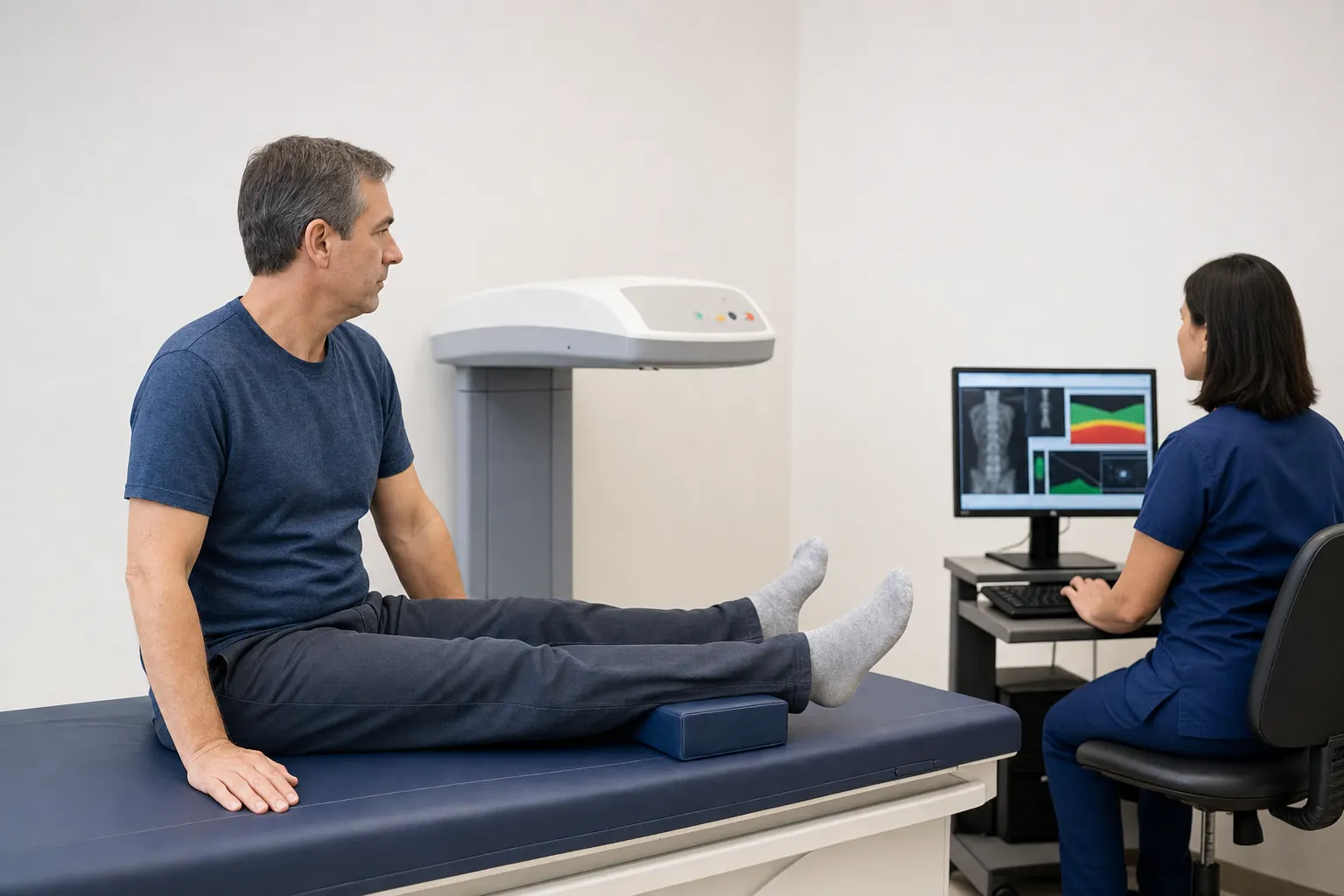
Common Mistakes When Preparing for Bone Densitometry Exams
Discover the most common mistakes when preparing for bone densitometry exams and how to avoid them to ensure accurate and reliable results.

8 min de lectura
Publicado: 14 de septiembre de 2026 · Actualizado: 14 de septiembre de 2026
Essential Screenings to Identify Osteoporosis Complications in Early Stages
Learn about the importance of early detection of osteoporosis complications and the essential screenings for their identification.

5 min de lectura
Publicado: 3 de septiembre de 2026 · Actualizado: 3 de septiembre de 2026
Osteoporosis: Common Treatment Mistakes and How to Implement Safe Strategies
Learn about common mistakes in osteoporosis treatment and how to implement safe management strategies.

5 min de lectura
Publicado: 24 de agosto de 2026 · Actualizado: 24 de agosto de 2026
Osteoporosis: Establishing a Plan for Sustainable Habits and Personalized Follow-Up
Discover how to establish sustainable habits and personalized follow-up to effectively manage osteoporosis.
5 min de lectura
Publicado: 21 de septiembre de 2026 · Actualizado: 21 de septiembre de 2026
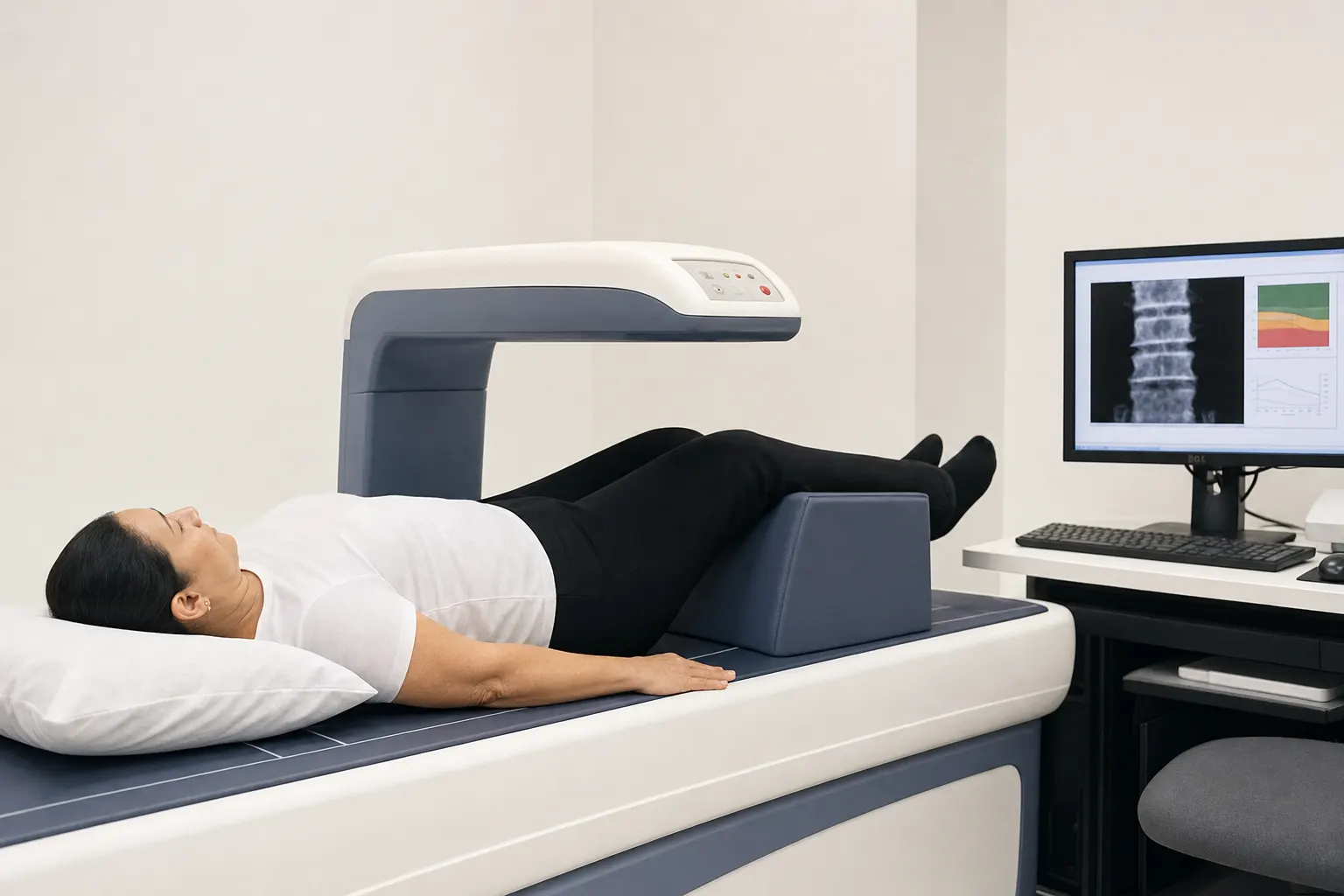
Osteoporosis: Diagnostic Methods and Essential Exams for Your Bone Health in Bogotá
Learn about the diagnostic methods for osteoporosis and how to care for your bone health in Bogotá, including essential exams like bone densitometry.