Educational article
Aging with Safer Bones: How to Reduce the Risk of Fractures in Everyday Life

Educational content. It does not replace an individual medical assessment and should not be used for self-medication.
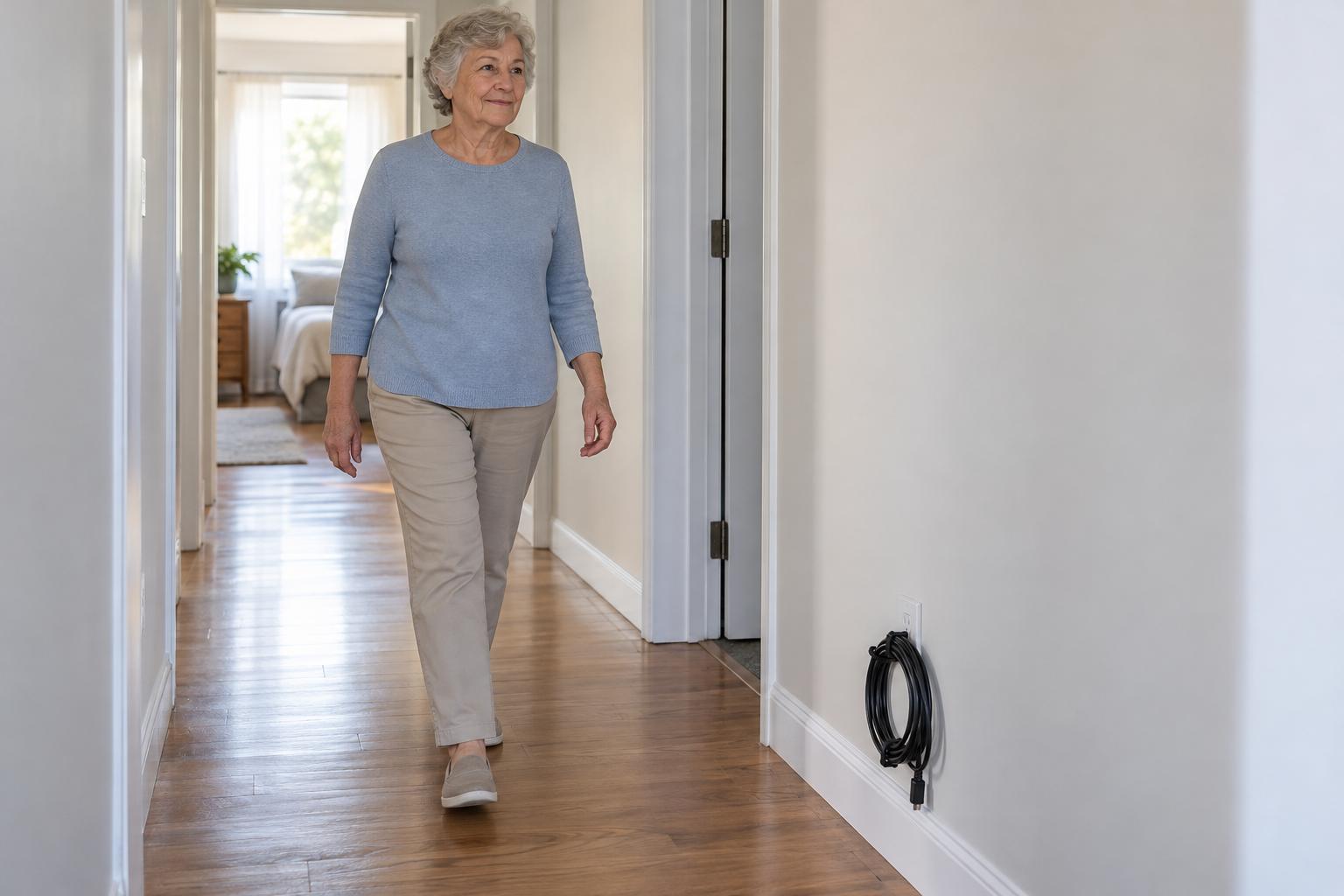
What fracture prevention involves as you age
Preventing fractures is not only about caring for your bones. Risk may be related both to bone strength and to the possibility of falling and the consequences of a fall. Osteoporosis can weaken bones, but not every fall or fracture is due to this condition. For this reason, prevention may combine clinical assessment, care for bone health, adapted physical activity, and a review of the surroundings.
History and changes worth discussing
A fracture after a minor fall or a previous fracture are important details to discuss with your healthcare team. It is also helpful to mention repeated falls, unsteadiness, changes in the way you walk, or new difficulties with everyday activities. None of these details alone confirms osteoporosis, but they may help assess bone health and the risk of future falls.
What information to share during a clinical assessment
Tell your healthcare team about any falls or fractures, how they happened, and any symptoms or limitations that followed. Mention the medications you take: some may affect balance, attention, or bone health, and a healthcare professional can review their possible effects. Vision, mobility, balance, and other health conditions may also be relevant. Do not stop or change medications on your own.
Building strength and working on balance safely
Physical activity may help improve strength, stability, and the ability to carry out everyday tasks, but no single routine is right for everyone. Exercise should take into account a person’s abilities, limitations, history of falls or fractures, and other health conditions. If you feel unsteady when walking, have pain, or have limitations, ask your healthcare team whether guidance on adapting exercises would be appropriate.
Reviewing frequently used routes at home
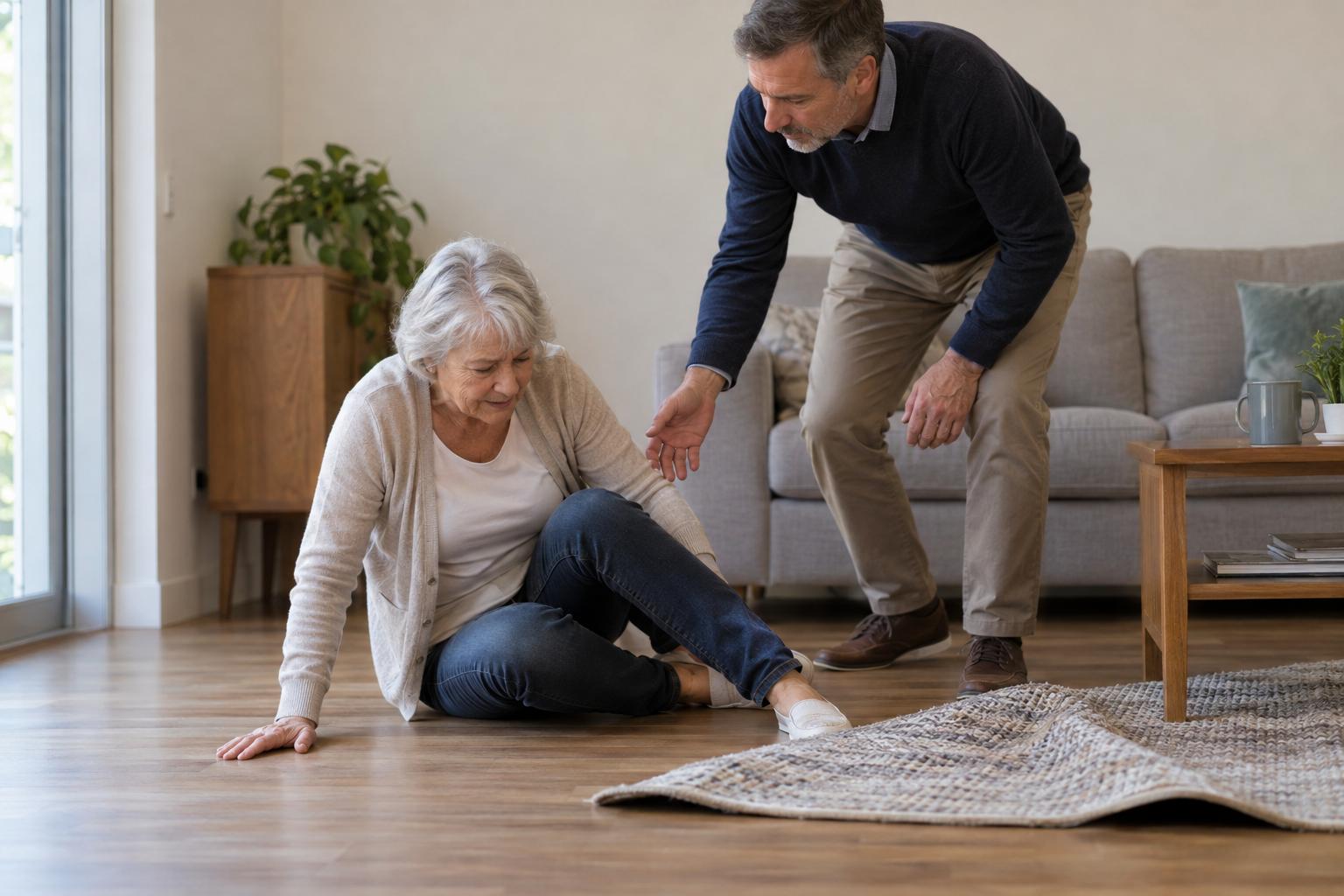
Check for cables, loose objects, or surfaces that make it difficult to walk. Review the lighting along your usual routes, especially between the bed and the bathroom. If supports are being considered, their type and placement should suit the space and the person’s needs. Footwear and how easily frequently used items can be reached may also be reviewed as part of everyday safety.
What to do after a fall
Seek urgent assessment if there is a deformity, severe pain, or inability to bear weight on a limb. If the person hit their head, is confused, or loses consciousness, they also need urgent care. If pain persists even without these signs, contact the healthcare team. When a fracture is confirmed, in addition to treating the injury, it may be important to review the risk of future falls and fractures.
Diagnosis and follow-up for each individual
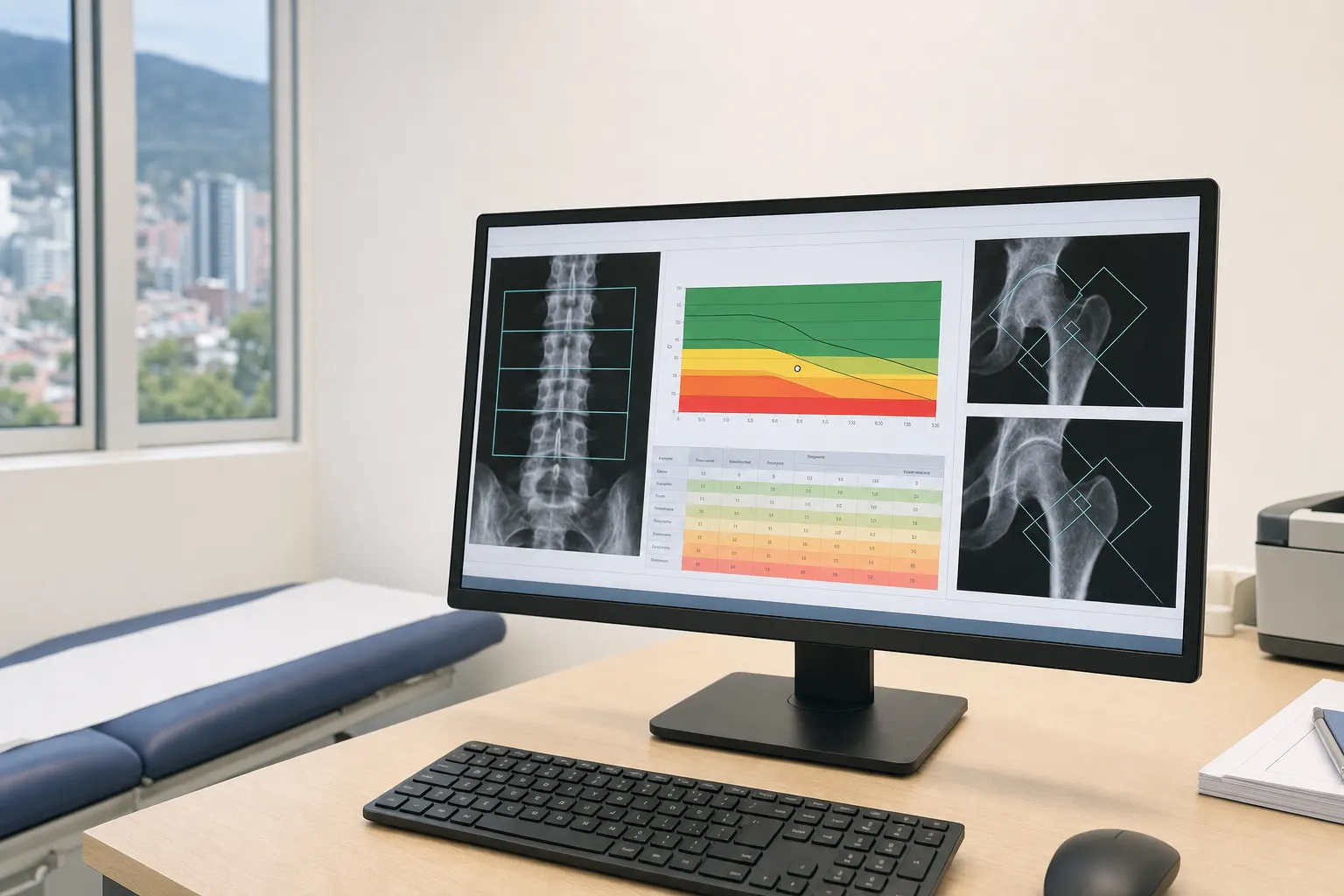
An assessment may include medical history, medications, mobility, and factors related to bone health. The healthcare professional will decide whether tests or follow-up are needed based on the person’s medical history and circumstances. After a fracture, ask whether it would be appropriate to assess bone health and what steps may help maintain mobility. The plan may be adjusted over time and according to how things progress.
Mistakes to avoid
Do not automatically attribute every fall or fracture to osteoporosis: several factors may be involved, and an assessment is needed to understand them. It is also best not to stop moving out of fear or start strenuous exercises without considering your abilities and limitations. Avoid changing medications without medical advice, and remember that a single home adaptation does not replace a comprehensive assessment.
When to seek medical care
If symptoms persist, test results are abnormal, or you have questions about medication, arrange an individual assessment. Do not change treatment or doses without medical guidance.
Frequently asked questions
Does a fracture after a fall mean I have osteoporosis?
Not necessarily. Fractures have different causes, although certain history may lead a healthcare professional to assess bone health. Explain how the fracture happened and share your history so you can receive an appropriate evaluation.
What exercises can an older adult do to reduce the risk of falls?
There is no single routine that works for everyone. Strength and balance exercises should be adapted to each person’s abilities, limitations, and history. If you have frailty, pain, unsteadiness, or a previous fracture, consult your healthcare team before starting or changing a routine.
When is urgent care needed after a fall?
Seek urgent care if there is a deformity, severe pain, inability to bear weight on a limb, or a head injury accompanied by confusion or loss of consciousness. If pain persists, contact your healthcare team even if none of these signs are present.
Does this topic resonate with you?
Every case is different. Book a consultation to review your history, test results and goals with a personalized plan.
More articles about Osteoporosis
5 min de lectura
Publicado: 8 de noviembre de 2026 · Actualizado: 8 de noviembre de 2026
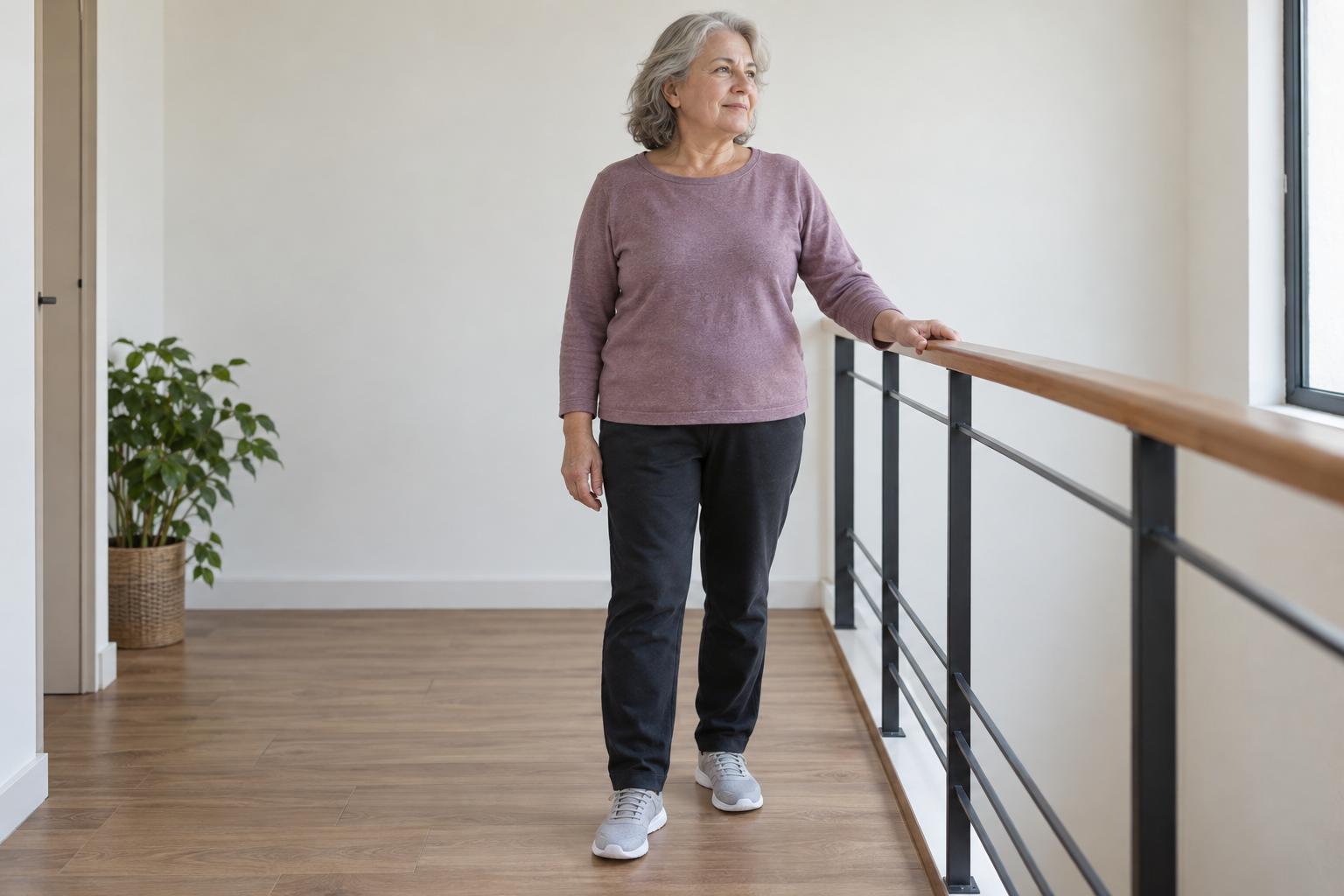
Moving with Osteoporosis: How to Care for Your Balance and Strength While Staying Active
Physical activity can support strength and mobility with osteoporosis. Learn about its components, how to start gradually, and what to discuss when adapting movement to your needs.
5 min de lectura
Publicado: 6 de noviembre de 2026 · Actualizado: 6 de noviembre de 2026
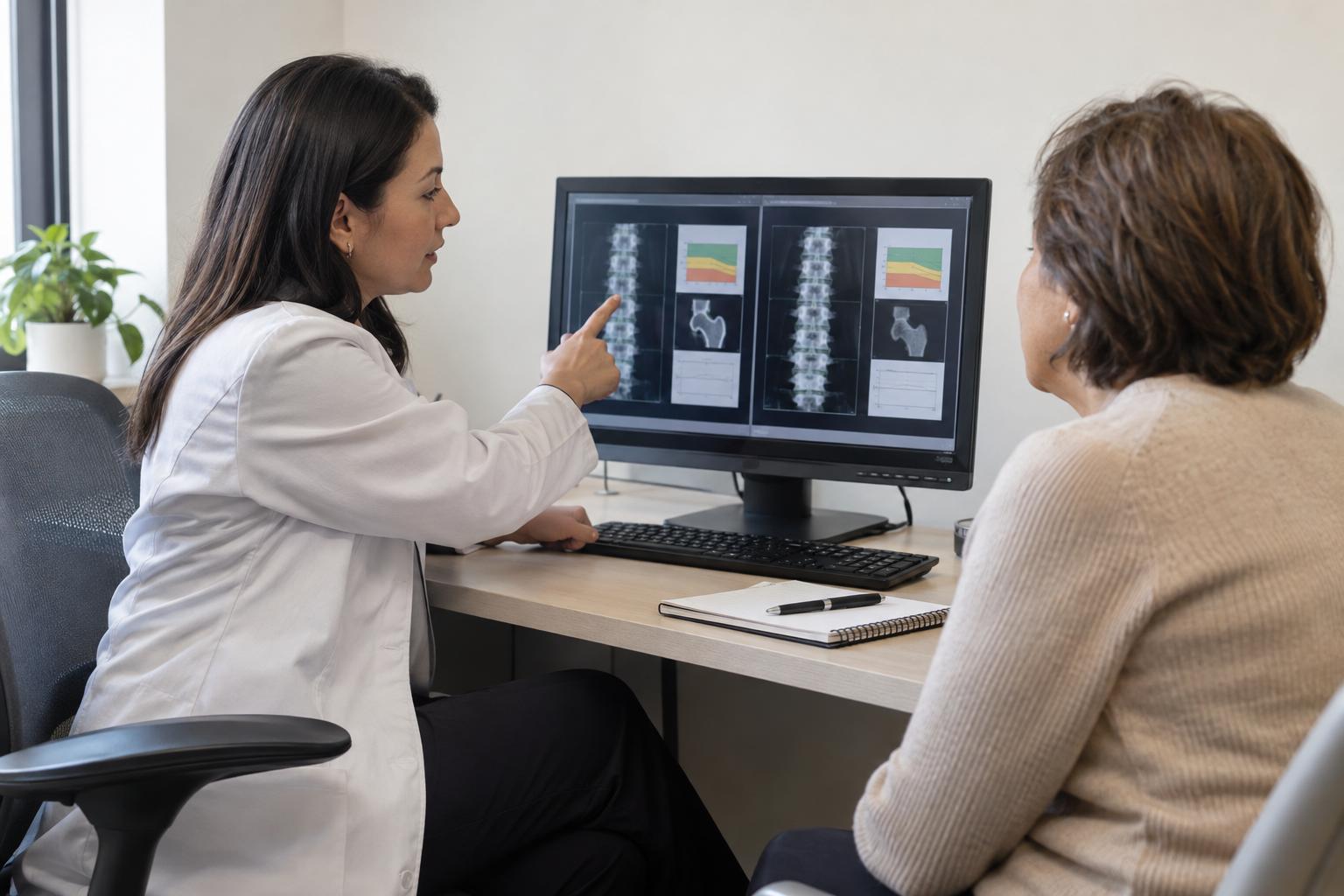
Osteoporosis Treatment: How to Measure Progress Beyond Bone Density Scans
The response to osteoporosis treatment is not usually something you can feel day to day. Learn how fractures, adherence to the treatment plan, and bone density scans are interpreted to assess risk and decide on next steps.
5 min de lectura
Publicado: 2 de noviembre de 2026 · Actualizado: 2 de noviembre de 2026
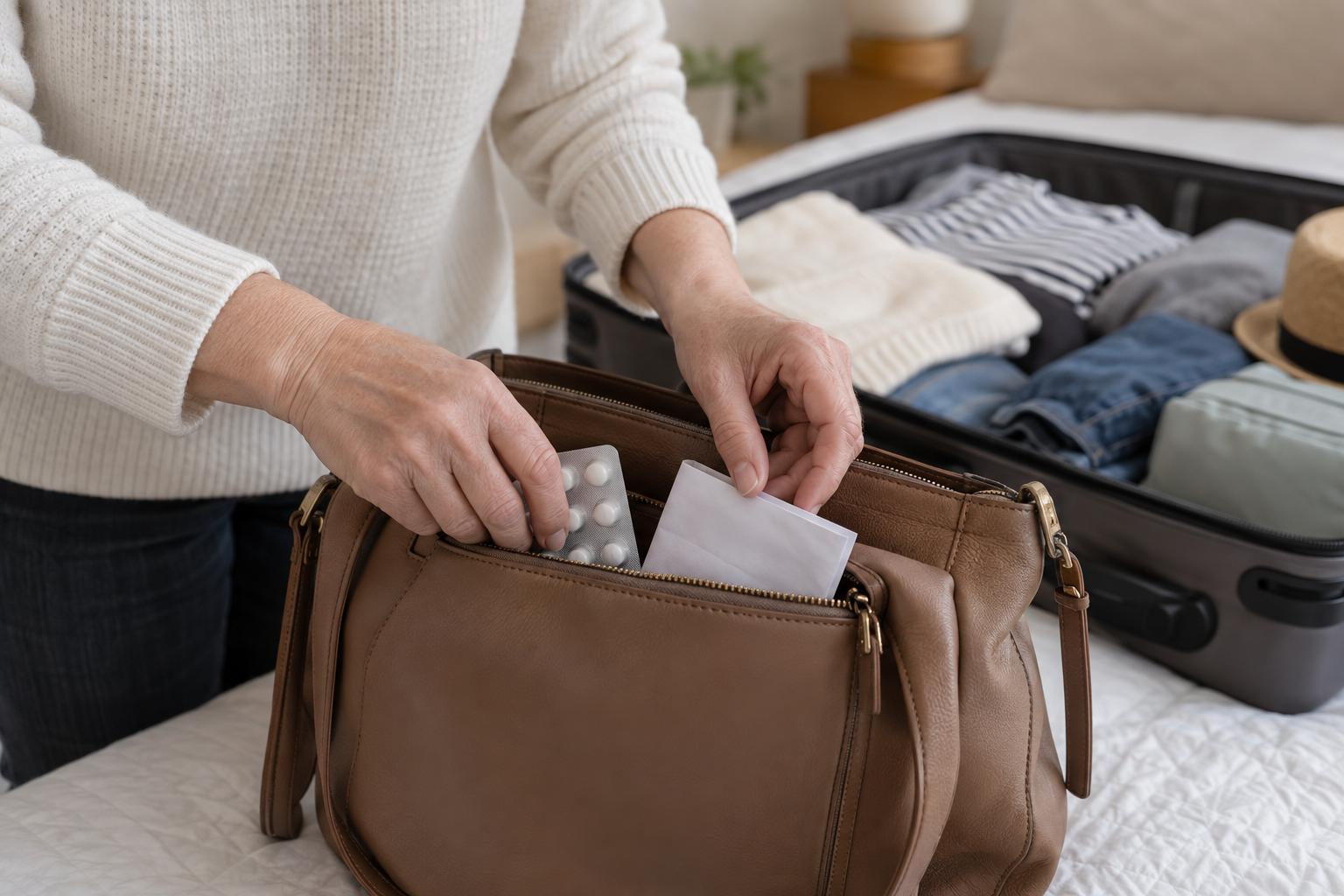
Osteoporosis and Travel: Plan Your Checkups and Care Before You Leave
Review what to coordinate before traveling if you have osteoporosis: upcoming checkups, prescribed medications, instructions for the journey, and what to do if you fall.
5 min de lectura
Publicado: 30 de octubre de 2026 · Actualizado: 30 de octubre de 2026
From Fragile Bones to Fracture: What Predisposes You and What Can Trigger It
A fall can precipitate a fracture, but it usually does not explain preexisting bone fragility on its own. Learn about factors that may predispose someone to osteoporosis and how bone health is evaluated after a fracture.
5 min de lectura
Publicado: 2 de octubre de 2026 · Actualizado: 2 de octubre de 2026
Key Factors for Diagnosing Osteoporosis: Personal History and Essential Data
Analyzes the personal history and essential data for an accurate diagnosis of osteoporosis in Bogotá.
5 min de lectura
Publicado: 28 de septiembre de 2026 · Actualizado: 28 de septiembre de 2026
Osteoporosis: Signs You Should Watch For Before Consulting a Specialist
Discover the signs and symptoms of osteoporosis you should watch for to seek medical help in time.