Educational article
Osteoporosis Before Menopause: Situations That May Warrant an Individual Assessment

Educational content. It does not replace an individual medical assessment and should not be used for self-medication.

When to consider a bone health assessment
Low bone mass is not exclusive to menopause or older age. In a young person, certain medical history details may warrant an overall assessment of bone health by a health professional. It may be useful to discuss this if there is: - A fracture after a fall from standing height or another minor impact. The clinical team will determine how it is classified and what it means in the individual case. - Absence of menstrual periods for a prolonged time, especially when the cause is unknown. - Low body weight or significant weight loss, interpreted in light of the person’s history and health context. - A chronic condition or treatment that may affect the bones. These details do not confirm osteoporosis or mean that everyone needs a bone density test. They are reasons to consider an individual assessment.
If you have had a fracture, record how it happened
The circumstances of a fracture provide context. Note what activity you were doing, the height of the fall, which part of the body was injured, and whether anything similar had happened before. An injury after a strong impact may be interpreted differently from one caused by a minor impact. Do not try to classify the fracture yourself. A health professional will review your account, medical history, and available reports to determine what it means in your situation.
If your menstrual periods have stopped, describe the timing and context
Prolonged absence of menstrual periods can have various causes. It does not confirm osteoporosis on its own, but it may be relevant because the hormonal context and the reason for the absence may be related to bone health. Note when your last period occurred, whether your cycles were regular before that, and whether there have been changes in weight, illnesses, medications, or other aspects of your health. The assessment aims to understand the overall picture, rather than draw conclusions from a single detail.
Report conditions and treatments
Some chronic conditions and certain treatments may affect the bones or the risk of fracture. Their relevance depends on the condition, how it has changed over time, and the medications received. Also mention treatments that have ended: a complete medical history may help guide the assessment. Do not stop or change a treatment on your own. If you have questions about possible effects, discuss them with the health professional who knows your case.
Prepare useful information for your assessment
Gather reports about fractures, previous bone density results, and any other available test results, along with a list of conditions and treatments. If possible, include approximate dates and the reason the tests were ordered. A brief timeline of menstrual periods, fractures, and treatments can help organize the information. You do not need to interpret the results; bring the complete reports so the health professional can review them in context.
Bone density test results are interpreted according to age and medical history
In young people, a bone density test result should not be reduced to a label in isolation. Its interpretation depends on age, fracture history, and other clinical factors. The health professional will also consider the test’s limitations and whether it addresses the question being asked. A result alone does not necessarily establish the cause of low bone mass or determine follow-up. If you already have a report, bring the complete report so it can be interpreted alongside your medical history.
Ask whether it may be appropriate to investigate other causes
Based on your medical history and assessment, a health professional may consider possible causes of low bone mass or fractures. They may order blood tests or other studies if these could provide useful information to clarify the context or guide decisions. Not everyone needs the same tests.
Agree on an individual follow-up plan
Follow-up may address the underlying cause, bone health, and prevention of further fractures. The health professional will determine what to monitor, whether additional tests are needed, and when to reconsider the assessment based on your history and findings. There is no universal bone density testing interval that is appropriate for all young people. Absence of menstrual periods or low body weight deserves attention in context, but neither diagnoses osteoporosis on its own. This information is educational and does not replace a clinical assessment.
When to seek medical care
If symptoms persist, test results are abnormal, or you have questions about medication, arrange an individual assessment. Do not change treatment or doses without medical guidance.
Frequently asked questions
Does prolonged absence of menstrual periods mean I have osteoporosis?
No. Absence of menstrual periods can have various causes and does not confirm osteoporosis on its own. If it continues for a prolonged time, discuss it with a health professional, who will assess the context and decide whether bone health needs to be evaluated.
Is a bone density test enough to tell what is going on?
Not always. In young people, the result is interpreted alongside age, fracture history, and the clinical context. If needed, the health professional may assess other causes or order additional tests.
How often should I repeat a bone density test?
There is no single interval that is appropriate for all young people. The decision depends on why the test was done, the findings, and clinical changes over time; discuss it with the health professional who knows your case.
Does this topic resonate with you?
Every case is different. Book a consultation to review your history, test results and goals with a personalized plan.
More articles about Osteoporosis
5 min de lectura
Publicado: 8 de noviembre de 2026 · Actualizado: 8 de noviembre de 2026
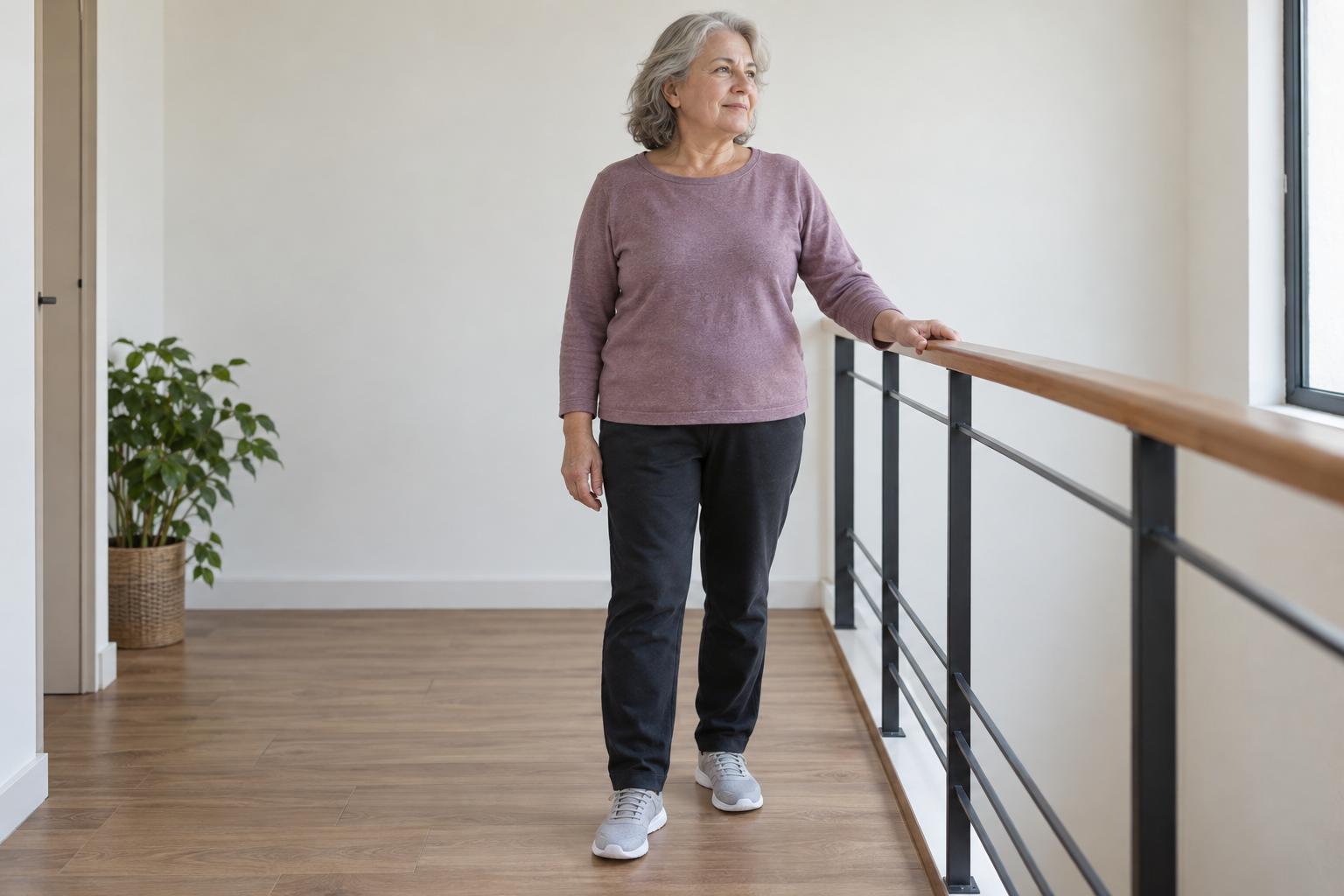
Moving with Osteoporosis: How to Care for Your Balance and Strength While Staying Active
Physical activity can support strength and mobility with osteoporosis. Learn about its components, how to start gradually, and what to discuss when adapting movement to your needs.
5 min de lectura
Publicado: 6 de noviembre de 2026 · Actualizado: 6 de noviembre de 2026
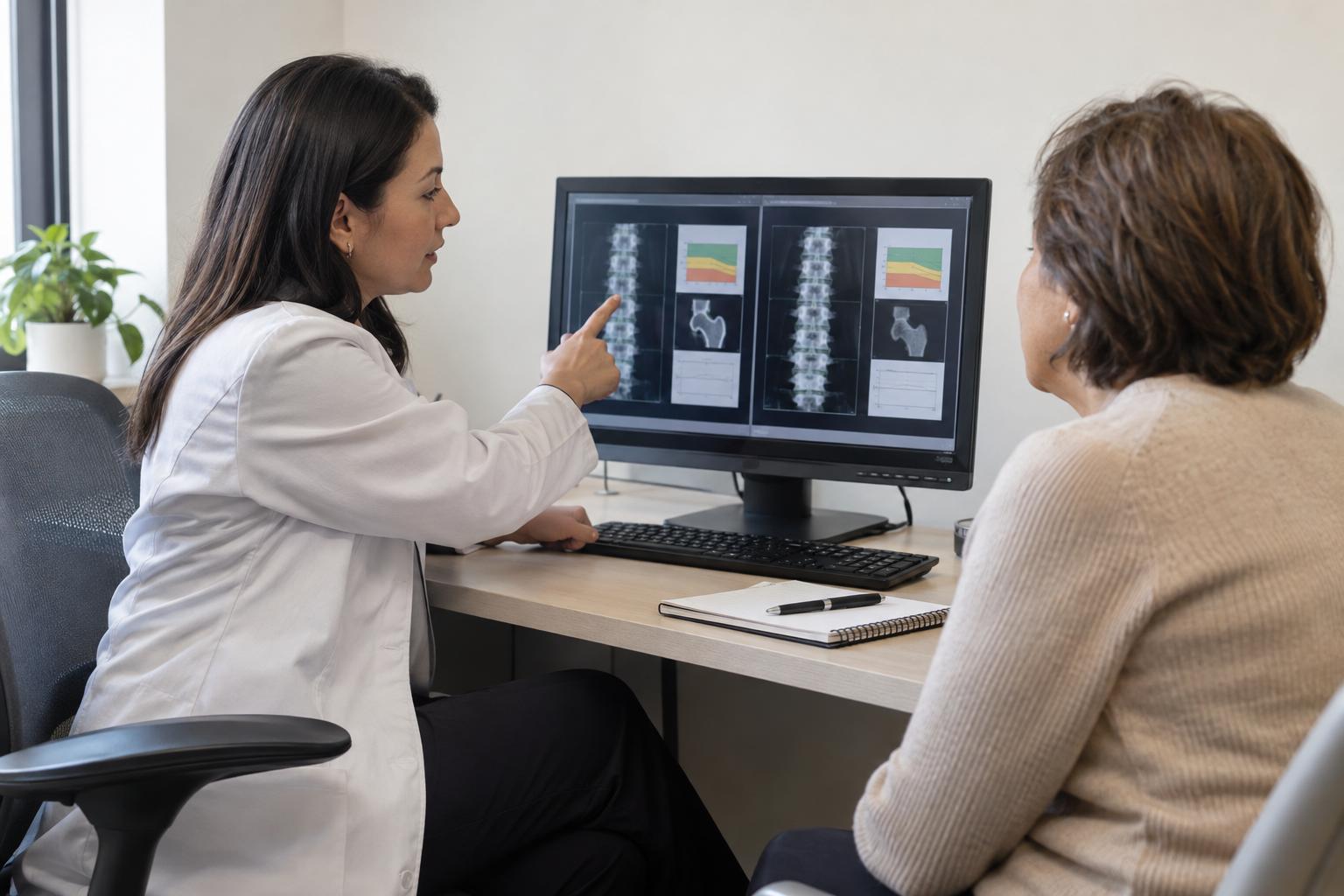
Osteoporosis Treatment: How to Measure Progress Beyond Bone Density Scans
The response to osteoporosis treatment is not usually something you can feel day to day. Learn how fractures, adherence to the treatment plan, and bone density scans are interpreted to assess risk and decide on next steps.

5 min de lectura
Publicado: 2 de noviembre de 2026 · Actualizado: 2 de noviembre de 2026
Osteoporosis and Travel: Plan Your Checkups and Care Before You Leave
Review what to coordinate before traveling if you have osteoporosis: upcoming checkups, prescribed medications, instructions for the journey, and what to do if you fall.
5 min de lectura
Publicado: 30 de octubre de 2026 · Actualizado: 30 de octubre de 2026
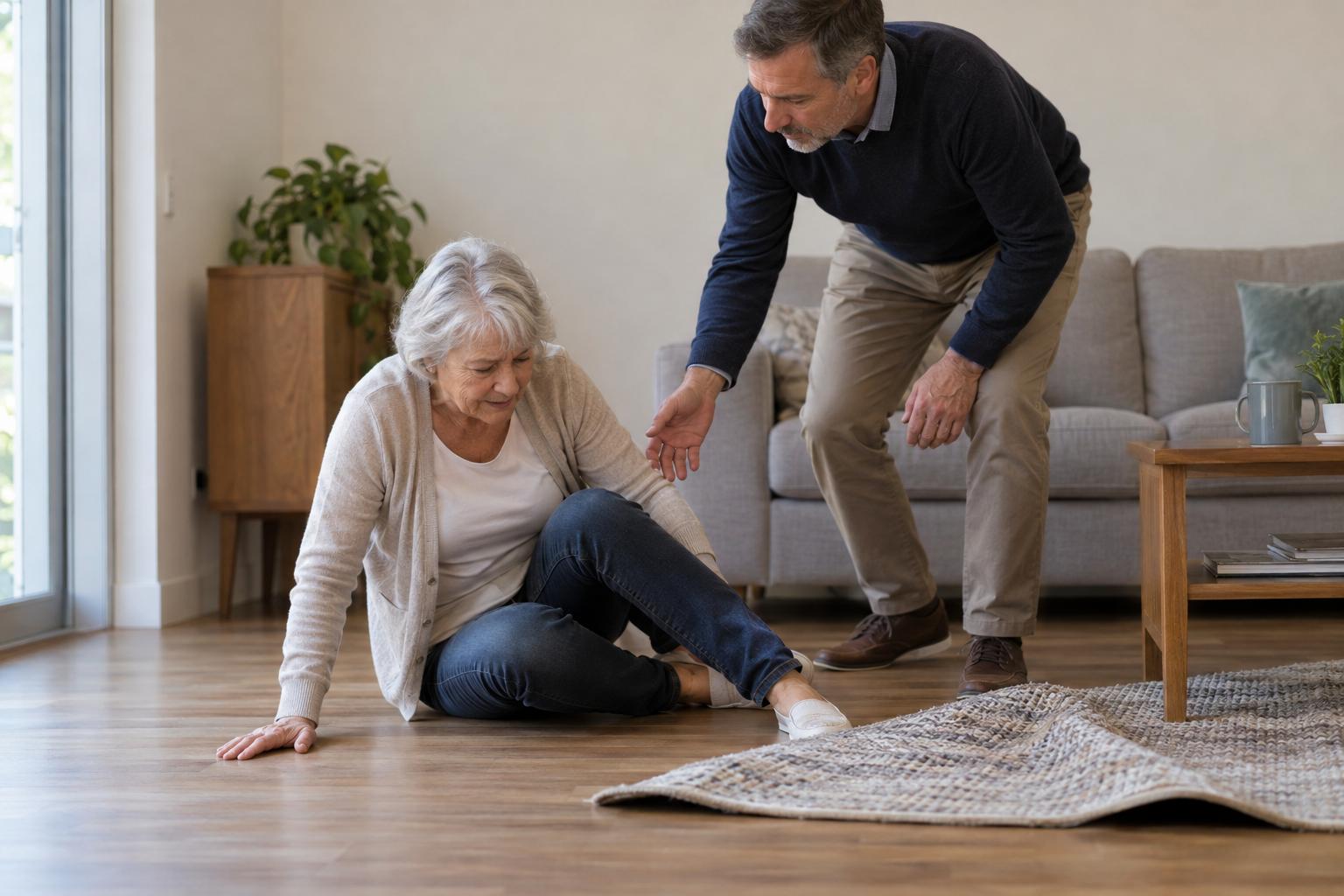
From Fragile Bones to Fracture: What Predisposes You and What Can Trigger It
A fall can precipitate a fracture, but it usually does not explain preexisting bone fragility on its own. Learn about factors that may predispose someone to osteoporosis and how bone health is evaluated after a fracture.
5 min de lectura
Publicado: 2 de octubre de 2026 · Actualizado: 2 de octubre de 2026
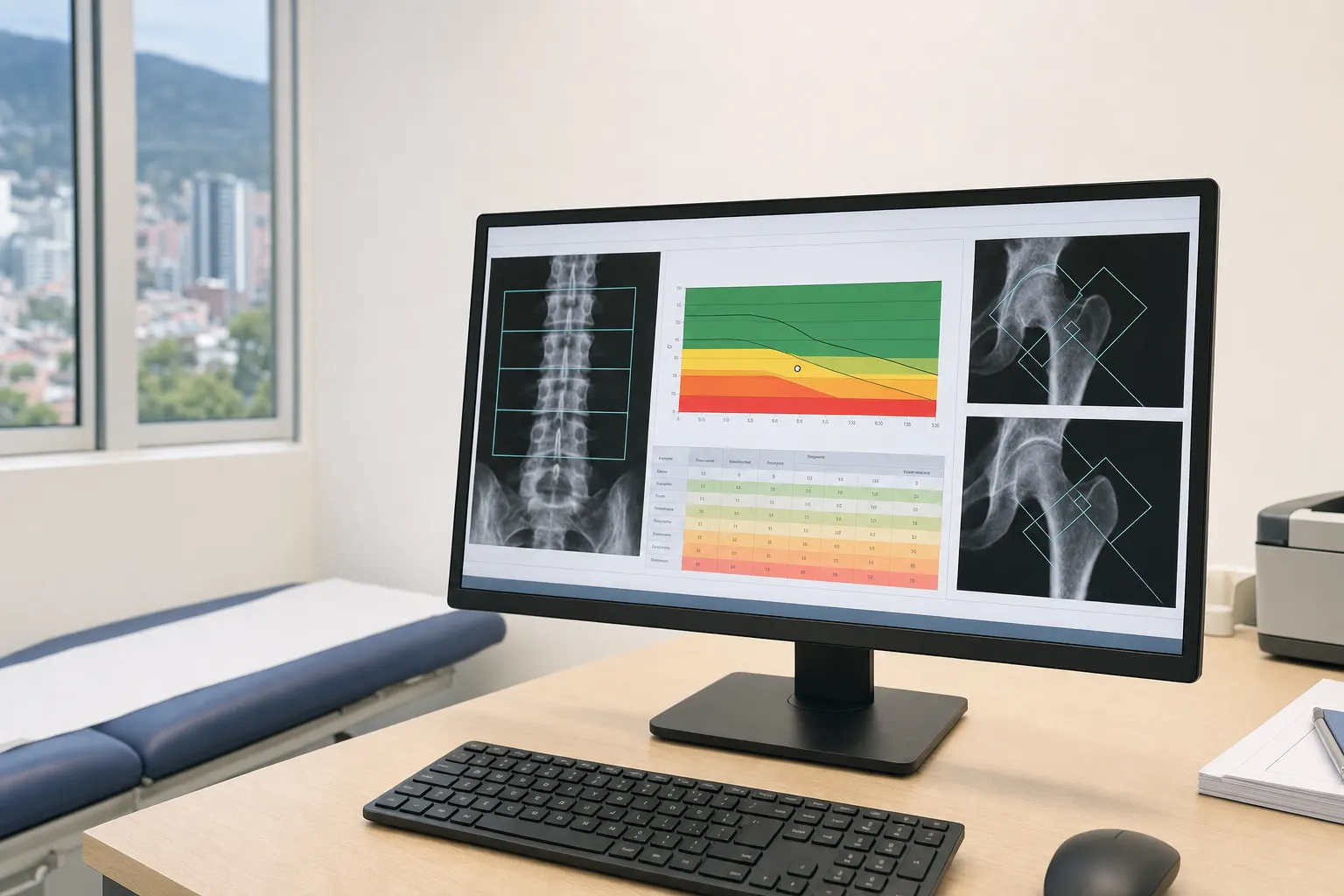
Key Factors for Diagnosing Osteoporosis: Personal History and Essential Data
Analyzes the personal history and essential data for an accurate diagnosis of osteoporosis in Bogotá.
5 min de lectura
Publicado: 28 de septiembre de 2026 · Actualizado: 28 de septiembre de 2026
Osteoporosis: Signs You Should Watch For Before Consulting a Specialist
Discover the signs and symptoms of osteoporosis you should watch for to seek medical help in time.