Educational article
Bring Osteoporosis Notes to Your Appointment: A Helpful Conversation Without Searching for Patterns at All Costs

Educational content. It does not replace an individual medical assessment and should not be used for self-medication.

Why bring notes to an osteoporosis follow-up visit?
Notes can help you remember what changed, when it happened, and what concern you want to address. They do not need to prove that a symptom is due to osteoporosis or serve as a self-diagnosis tool. Their purpose is to make it easier to have a focused conversation with the professional who knows your medical history.
Myth: Every change you write down means your osteoporosis has worsened
A change in mobility, discomfort, or a day when things are more difficult does not, by itself, mean that your osteoporosis has changed. There may be different explanations, and the fact that two things happen at the same time does not confirm a cause. Write down what you observed and discuss it without turning it into a diagnosis.
What information is worth summarizing?
Instead of bringing a long list of everyday activities, select the changes that raised a question for you or affected your routine. Summarize when they happened, what you were doing, and what impact they had—for example, whether you needed help getting around or stopped doing an activity. Include only what helps explain your question.
Observation and interpretation are not the same
An observation describes something you noticed: “On Tuesday, I had trouble climbing the stairs and used the handrail.” An interpretation suggests a cause: “I’m concerned this difficulty may be related to my health.” Share the fact first and raise your concerns as questions. Osteoporosis usually does not cause symptoms on its own, so your healthcare professional can assess the context and other possible explanations.
Turn your notes into questions for your appointment
Choose one or two priority questions. For example: “Does this change in my mobility need to be evaluated?”, “What should I tell you about the fall I had?” or “Is there anything about my treatment we should review?” You can also ask what steps or tests are appropriate in your case. Do not change or stop medications based on a note; consult the professional who prescribed them.
Should I record every day and every symptom?
Not necessarily. A very extensive log can make it harder to find what you want to discuss and increase concern about isolated changes. If you already have many notes, prepare a short summary of relevant changes, approximate dates, and their impact on your activities. The goal is to clearly explain what concerns you, not to find patterns at all costs.
A log complements an evaluation; it does not replace one
Your healthcare professional interprets your observations together with your medical history, evaluation, and the tests ordered. A log cannot confirm or rule out osteoporosis, a fracture, or other causes, nor can it predict complications. Use it as a helpful aid and keep up with the recommended follow-up visits and tests.
When should I not wait until my next appointment?
If a fall is accompanied by severe pain, an injury, or significant difficulty moving, seek timely medical care instead of waiting until your next appointment. Do not try to determine at home whether there is a fracture based on your notes or the appearance of the affected area. If you are unsure where to go, contact a healthcare service for guidance; for a serious injury, go to the emergency department.
When to seek medical care
If symptoms persist, test results are abnormal, or you have questions about medication, arrange an individual assessment. Do not change treatment or doses without medical guidance.
Frequently asked questions
How many notes should I bring to my appointment?
There is no single right amount. Prioritize a few relevant changes and summarize when they happened, their impact, and what you want to ask. If you have an extensive log, select what most affects your daily life or raises questions for you.
Does a fall I wrote down mean I need to change my treatment?
Not by itself. Tell your healthcare professional when it happened and whether there was an injury or pain, and ask for guidance. Do not change or stop medications without clinical direction.
Can I use my notes instead of follow-up tests?
No. Notes help you communicate observations, but they do not replace a clinical evaluation or the tests recommended for your situation.
Does this topic resonate with you?
Every case is different. Book a consultation to review your history, test results and goals with a personalized plan.
More articles about Osteoporosis

5 min de lectura
Publicado: 8 de noviembre de 2026 · Actualizado: 8 de noviembre de 2026
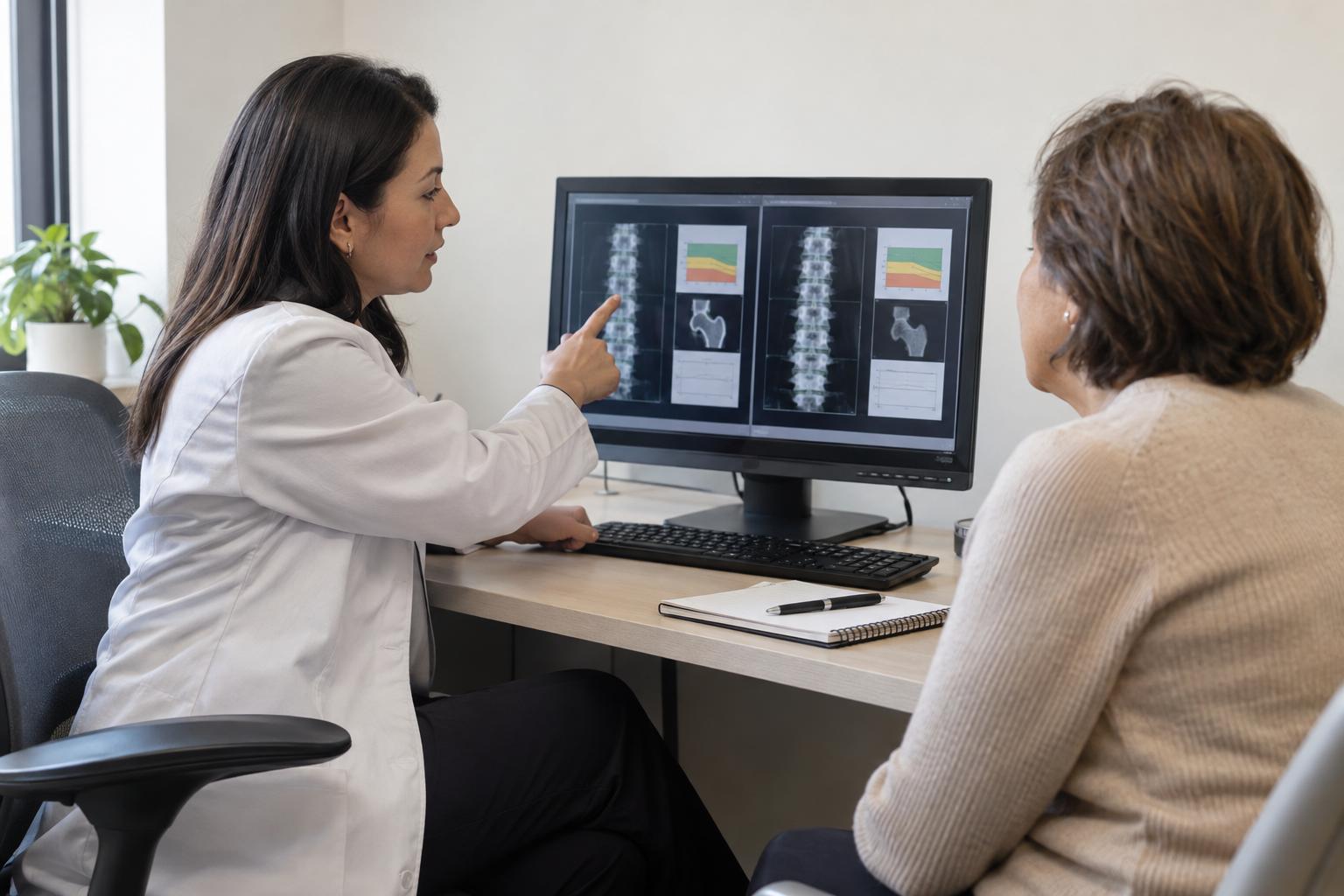
Moving with Osteoporosis: How to Care for Your Balance and Strength While Staying Active
Physical activity can support strength and mobility with osteoporosis. Learn about its components, how to start gradually, and what to discuss when adapting movement to your needs.
5 min de lectura
Publicado: 6 de noviembre de 2026 · Actualizado: 6 de noviembre de 2026
Osteoporosis Treatment: How to Measure Progress Beyond Bone Density Scans
The response to osteoporosis treatment is not usually something you can feel day to day. Learn how fractures, adherence to the treatment plan, and bone density scans are interpreted to assess risk and decide on next steps.

5 min de lectura
Publicado: 2 de noviembre de 2026 · Actualizado: 2 de noviembre de 2026
Osteoporosis and Travel: Plan Your Checkups and Care Before You Leave
Review what to coordinate before traveling if you have osteoporosis: upcoming checkups, prescribed medications, instructions for the journey, and what to do if you fall.

5 min de lectura
Publicado: 30 de octubre de 2026 · Actualizado: 30 de octubre de 2026
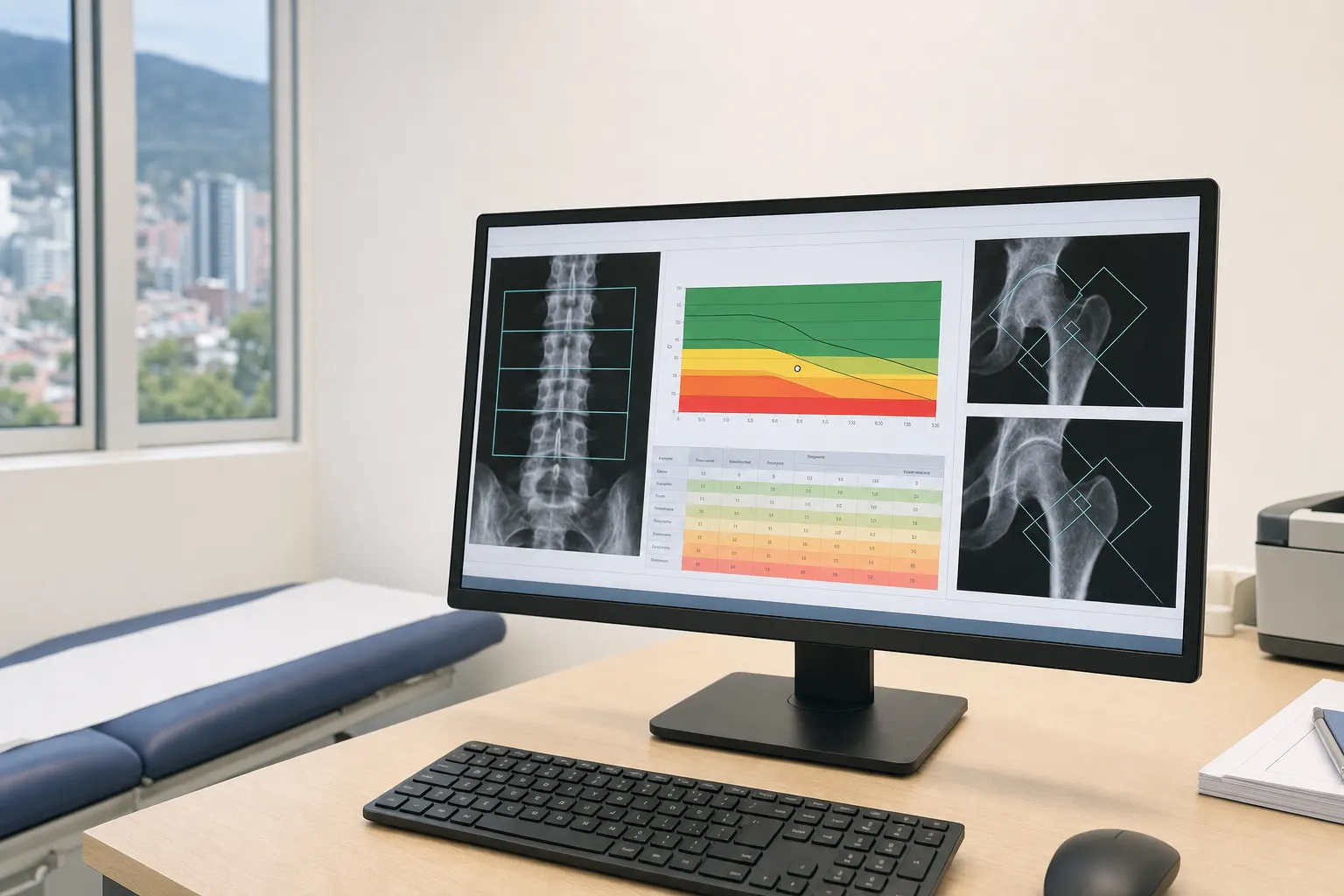
From Fragile Bones to Fracture: What Predisposes You and What Can Trigger It
A fall can precipitate a fracture, but it usually does not explain preexisting bone fragility on its own. Learn about factors that may predispose someone to osteoporosis and how bone health is evaluated after a fracture.
5 min de lectura
Publicado: 2 de octubre de 2026 · Actualizado: 2 de octubre de 2026
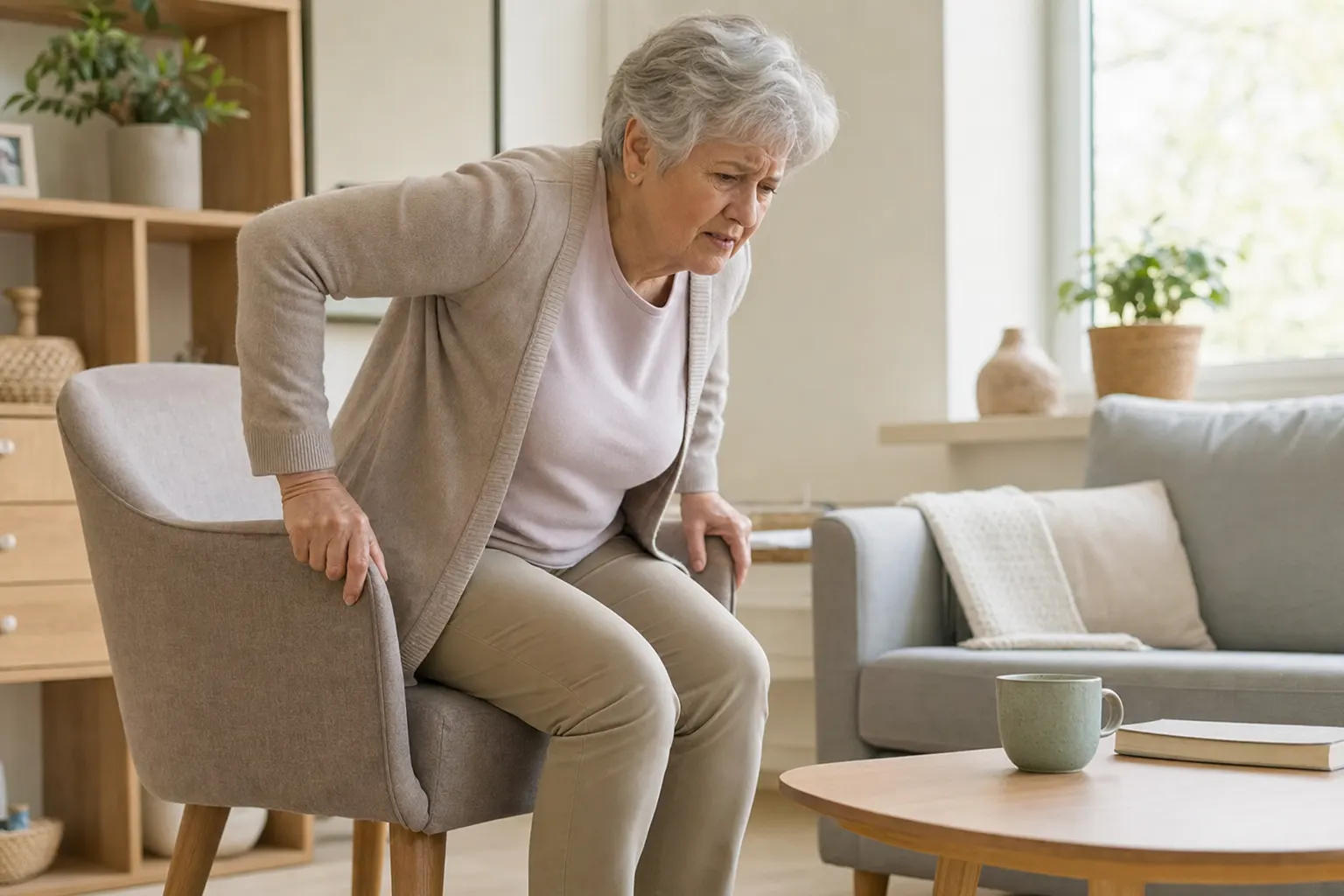
Key Factors for Diagnosing Osteoporosis: Personal History and Essential Data
Analyzes the personal history and essential data for an accurate diagnosis of osteoporosis in Bogotá.
5 min de lectura
Publicado: 28 de septiembre de 2026 · Actualizado: 28 de septiembre de 2026
Osteoporosis: Signs You Should Watch For Before Consulting a Specialist
Discover the signs and symptoms of osteoporosis you should watch for to seek medical help in time.