Educational article
Osteoporosis: How to Keep an Effective Record of Habits and Signs to Watch For

Dr. Teresita Cortés Segura, medical reviewer
Author and medical review: Dra. Teresita del Niño Jesús Cortés Segura, endocrinologist.
Location: Bogotá, Colombia.
Published: July 10, 2026 · Updated: July 10, 2026 · 5 min read.
Educational content. It does not replace an individual medical assessment and should not be used for self-medication.
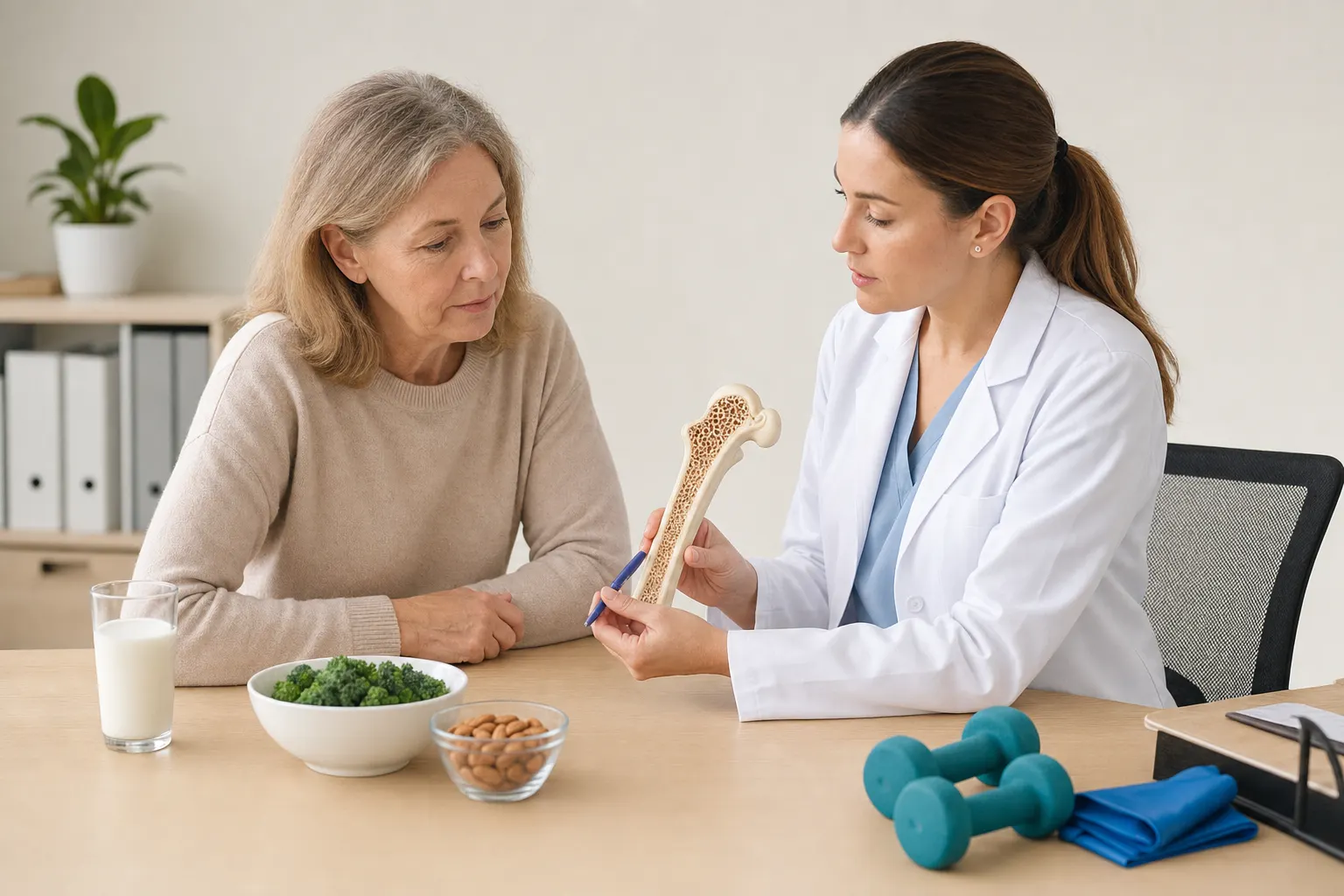
Importance of Habit Tracking
Keeping a record of habits is essential for the effective management of osteoporosis. It allows you to identify patterns, evaluate the effectiveness of treatments, and make necessary lifestyle adjustments. A well-maintained record can be an ally in your health.
Eating Habits
Note your daily intake of foods rich in calcium and vitamin D. Include options such as dairy products, leafy green vegetables, and fish. Consider keeping a food diary to observe whether you are meeting your nutritional needs and adjust accordingly.
Physical Activity
Record the type and frequency of exercises you perform. Weight-bearing activities and strength training are essential to strengthen bones. Note your progress and how you feel after each session; this can help you stay motivated.
Medication Use
If you are under treatment, keep track of your medications. Write down the times, doses, and any side effects you experience. This will help your endocrinologist adjust the treatment if necessary, ensuring a more personalized management.
Warning Signs
Observe and record any unusual symptoms, such as bone pain or fractures. Note the frequency and intensity of these symptoms to discuss them at your next appointment. Detailed monitoring can be crucial to prevent complications.
Medical Check-ups
Write down the dates of your medical appointments and any recommendations you receive. Keeping track of your visits will help you stay up to date with your bone health and establish good communication with your doctor.
Follow-up Plan
Set a schedule to review your habit record. This can be weekly or monthly. Share this information with your doctor so they can help you properly monitor your osteoporosis and adjust your management plan.
When to seek medical care
If symptoms persist, test results are abnormal, or you have questions about medication, arrange an individual assessment. Do not change treatment or doses without medical guidance.
Frequently asked questions
Why is it important to keep a habit record for osteoporosis?
Keeping a record helps identify patterns and adjust treatments, which can improve osteoporosis management.
What types of habits should I record?
Record eating habits, physical activity, medication use, and any unusual symptoms.
How often should I review my record?
It is recommended to review your record weekly or monthly and share it with your doctor at each appointment.
More articles about Osteoporosis
5 min de lectura
Publicado: 28 de septiembre de 2026 · Actualizado: 28 de septiembre de 2026
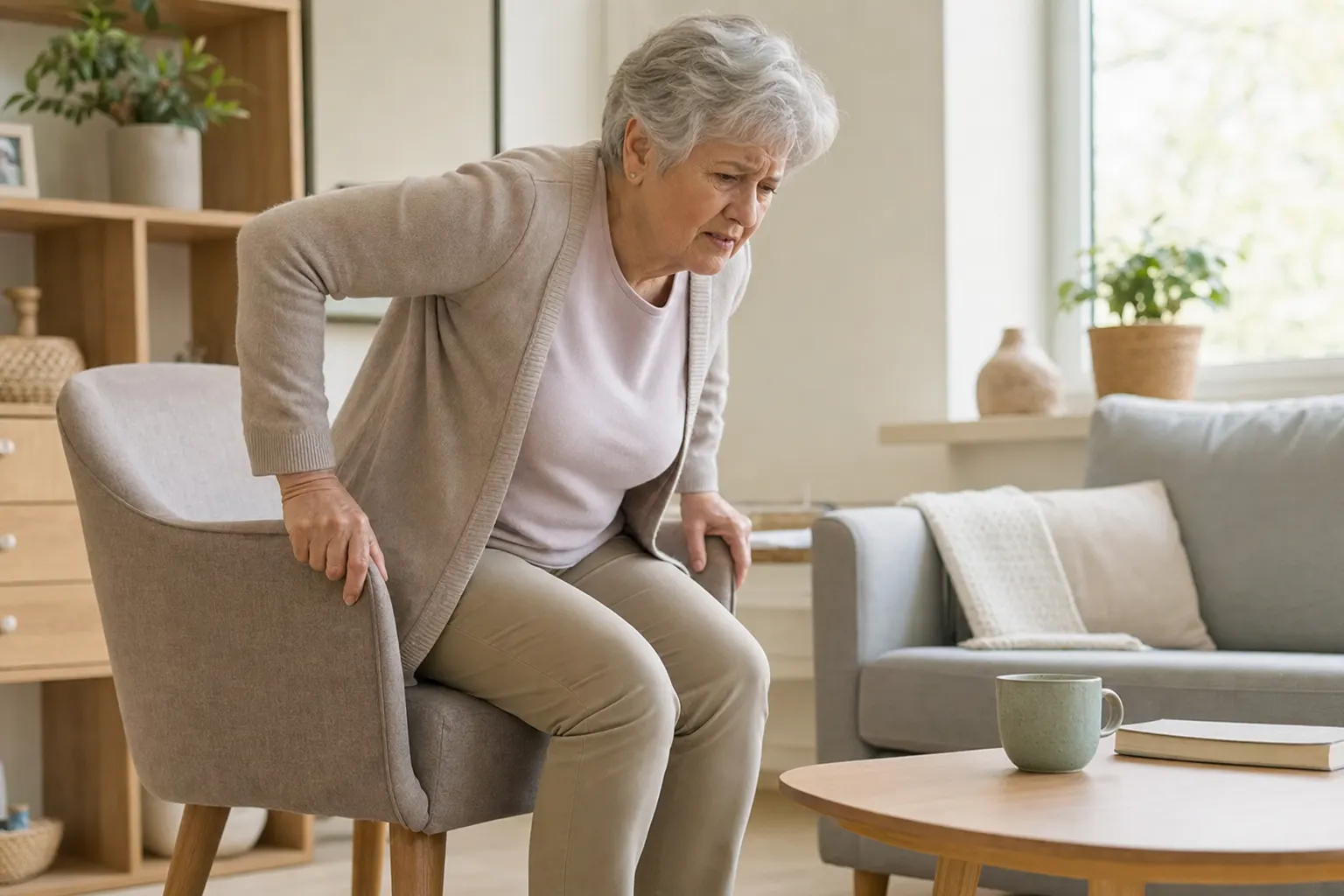
Osteoporosis: Signs You Should Watch For Before Consulting a Specialist
Discover the signs and symptoms of osteoporosis you should watch for to seek medical help in time.
5 min de lectura
Publicado: 24 de septiembre de 2026 · Actualizado: 24 de septiembre de 2026
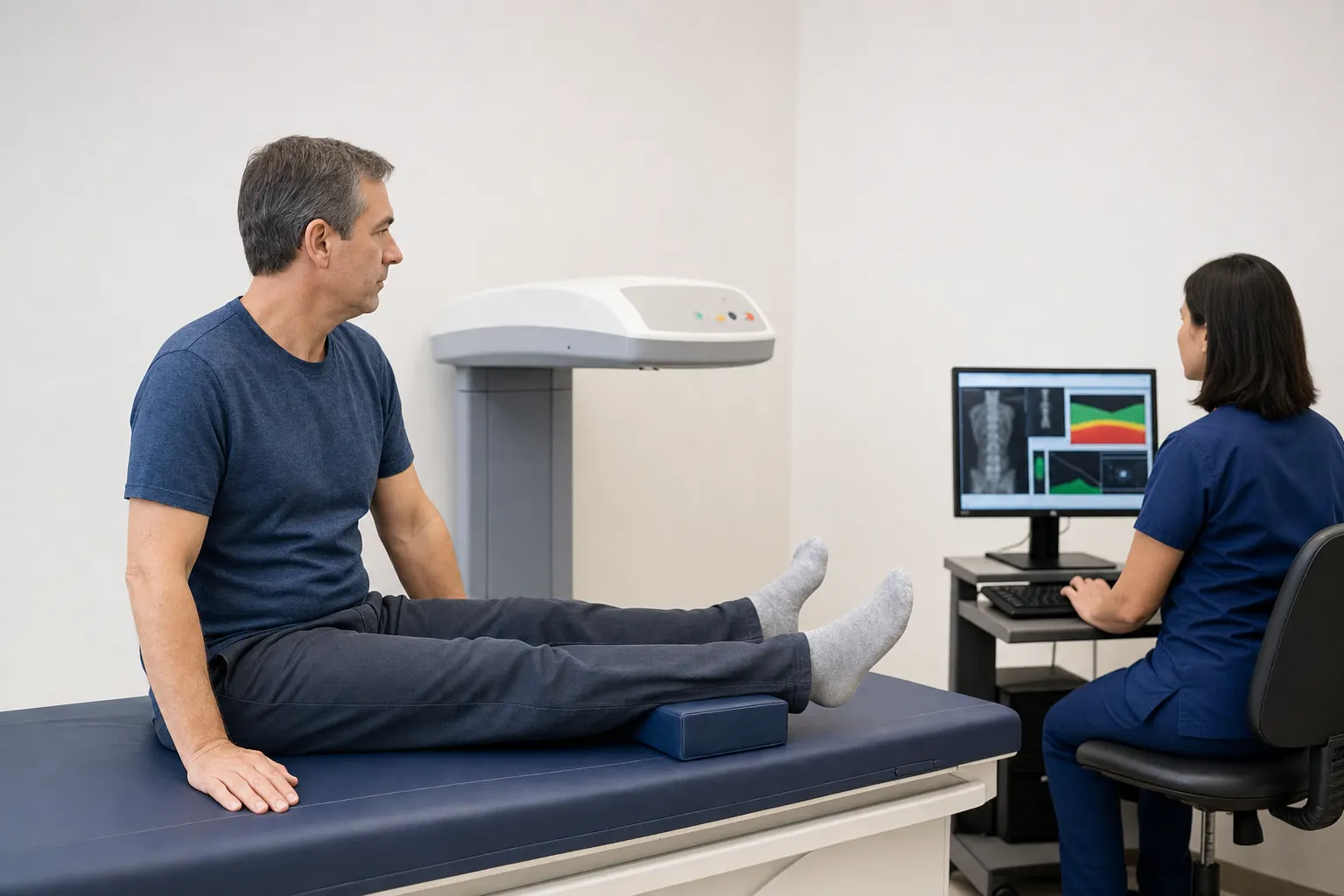
Common Mistakes When Preparing for Bone Densitometry Exams
Discover the most common mistakes when preparing for bone densitometry exams and how to avoid them to ensure accurate and reliable results.
8 min de lectura
Publicado: 14 de septiembre de 2026 · Actualizado: 14 de septiembre de 2026
Essential Screenings to Identify Osteoporosis Complications in Early Stages
Learn about the importance of early detection of osteoporosis complications and the essential screenings for their identification.

5 min de lectura
Publicado: 3 de septiembre de 2026 · Actualizado: 3 de septiembre de 2026
Osteoporosis: Common Treatment Mistakes and How to Implement Safe Strategies
Learn about common mistakes in osteoporosis treatment and how to implement safe management strategies.

5 min de lectura
Publicado: 24 de agosto de 2026 · Actualizado: 24 de agosto de 2026
Osteoporosis: Establishing a Plan for Sustainable Habits and Personalized Follow-Up
Discover how to establish sustainable habits and personalized follow-up to effectively manage osteoporosis.
5 min de lectura
Publicado: 21 de septiembre de 2026 · Actualizado: 21 de septiembre de 2026
Osteoporosis: Diagnostic Methods and Essential Exams for Your Bone Health in Bogotá
Learn about the diagnostic methods for osteoporosis and how to care for your bone health in Bogotá, including essential exams like bone densitometry.