Educational article
Osteoporosis: Warning Signs You Should Not Ignore and When to See a Specialist

Dr. Teresita Cortés Segura, medical reviewer
Author and medical review: Dra. Teresita del Niño Jesús Cortés Segura, endocrinologist.
Location: Bogotá, Colombia.
Published: July 10, 2026 · Updated: September 29, 2026 · 5 min read.
Educational content. It does not replace an individual medical assessment and should not be used for self-medication.
Related videos
1. Bone or Joint Pain
Persistent pain in the bones or joints may indicate decreased bone density. This symptom should not be ignored.
2. Frequent Fractures
If you experience fractures easily, even from minor falls, this may be a strong indication of osteoporosis.
3. Loss of Height
A noticeable decrease in height over time can be a sign of vertebral compression related to osteoporosis.
4. Stooped Posture
A stooped posture may be a symptom of bone weakness resulting from vertebral collapse.
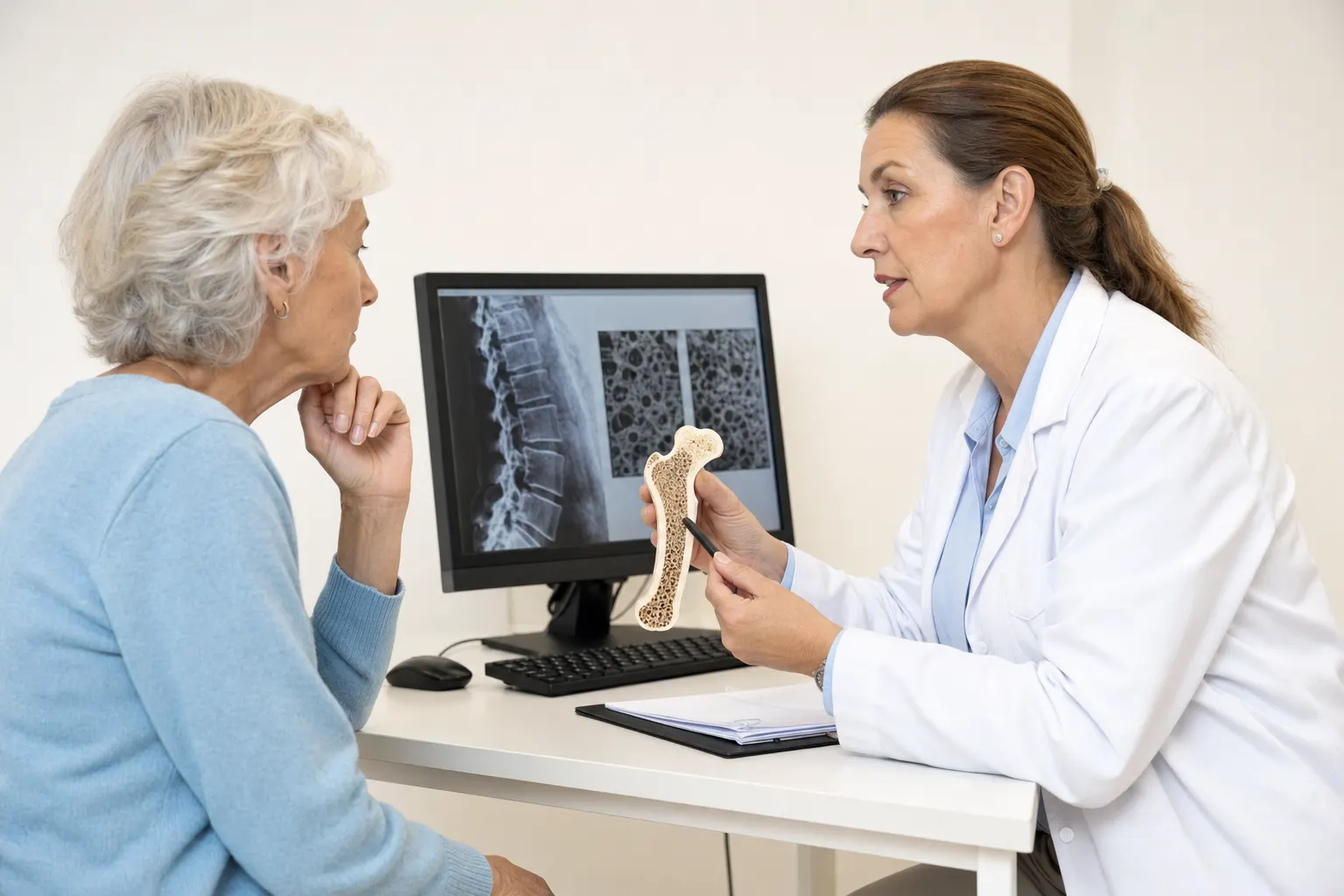
5. Changes in Mobility
Difficulty moving or performing daily activities may indicate bone weakness.
6. Family History of Osteoporosis
If there is a family history of osteoporosis, it is essential to be attentive to symptoms and have regular check-ups.
7. Changes in Appetite or Weight Loss
Unexplained weight loss or changes in appetite may signal underlying health problems, including osteoporosis.
8. Unusual Fatigue
Feeling constantly tired without an apparent reason may be a sign that your body is facing bone weakness.
When to seek medical care
If symptoms persist, test results are abnormal, or you have questions about medication, arrange an individual assessment. Do not change treatment or doses without medical guidance.
Frequently asked questions
What tests are necessary to diagnose osteoporosis?
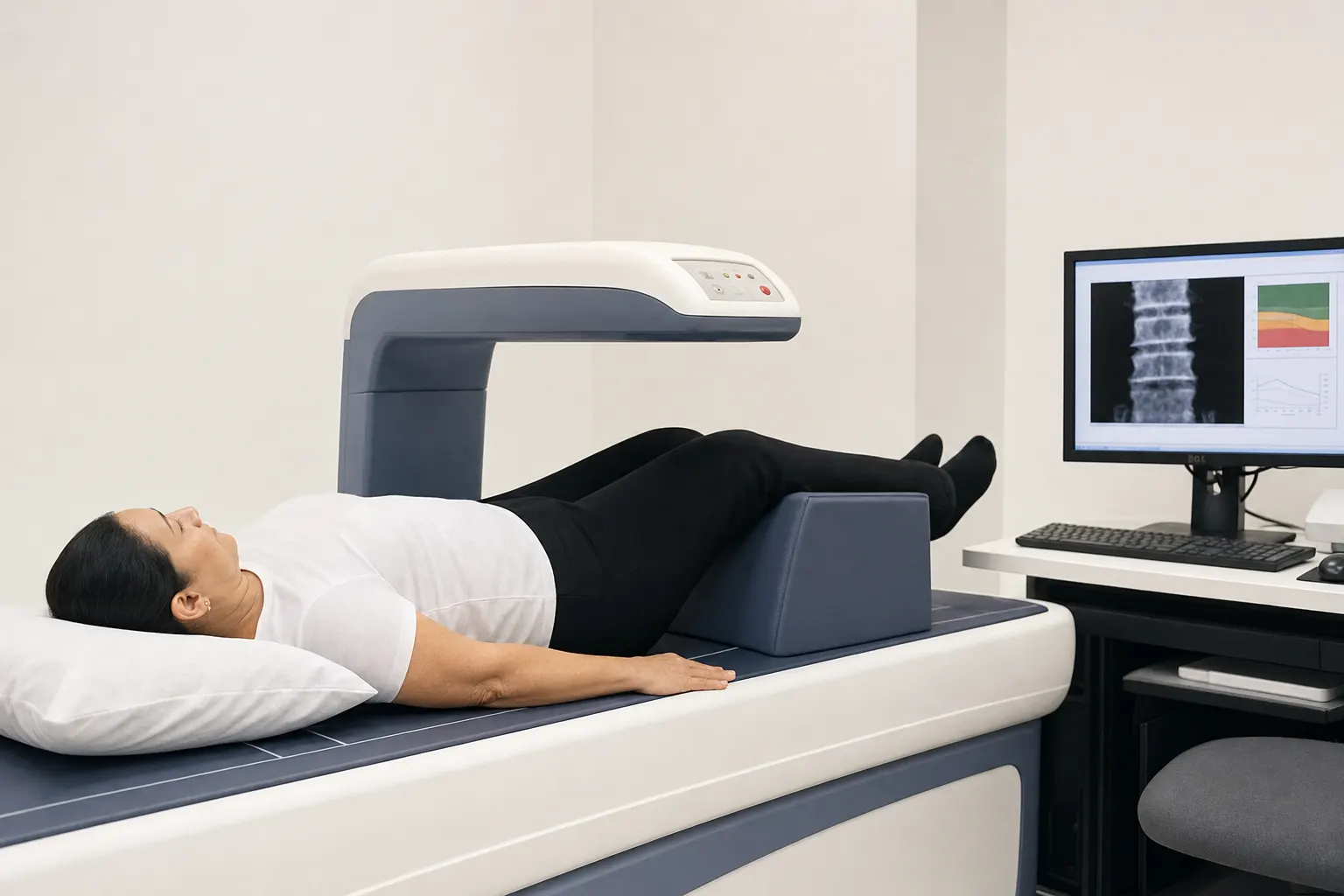
The most common tests include bone densitometry, which measures bone mineral density and helps assess fracture risk.
What factors increase the risk of osteoporosis?
Factors such as age, gender, genetics, physical inactivity, and a diet low in calcium can increase risk.
How can osteoporosis be prevented?
Prevention involves maintaining a balanced diet rich in calcium and vitamin D, exercising regularly, and avoiding smoking and excessive alcohol consumption.
More articles about Osteoporosis
5 min de lectura
Publicado: 28 de septiembre de 2026 · Actualizado: 28 de septiembre de 2026
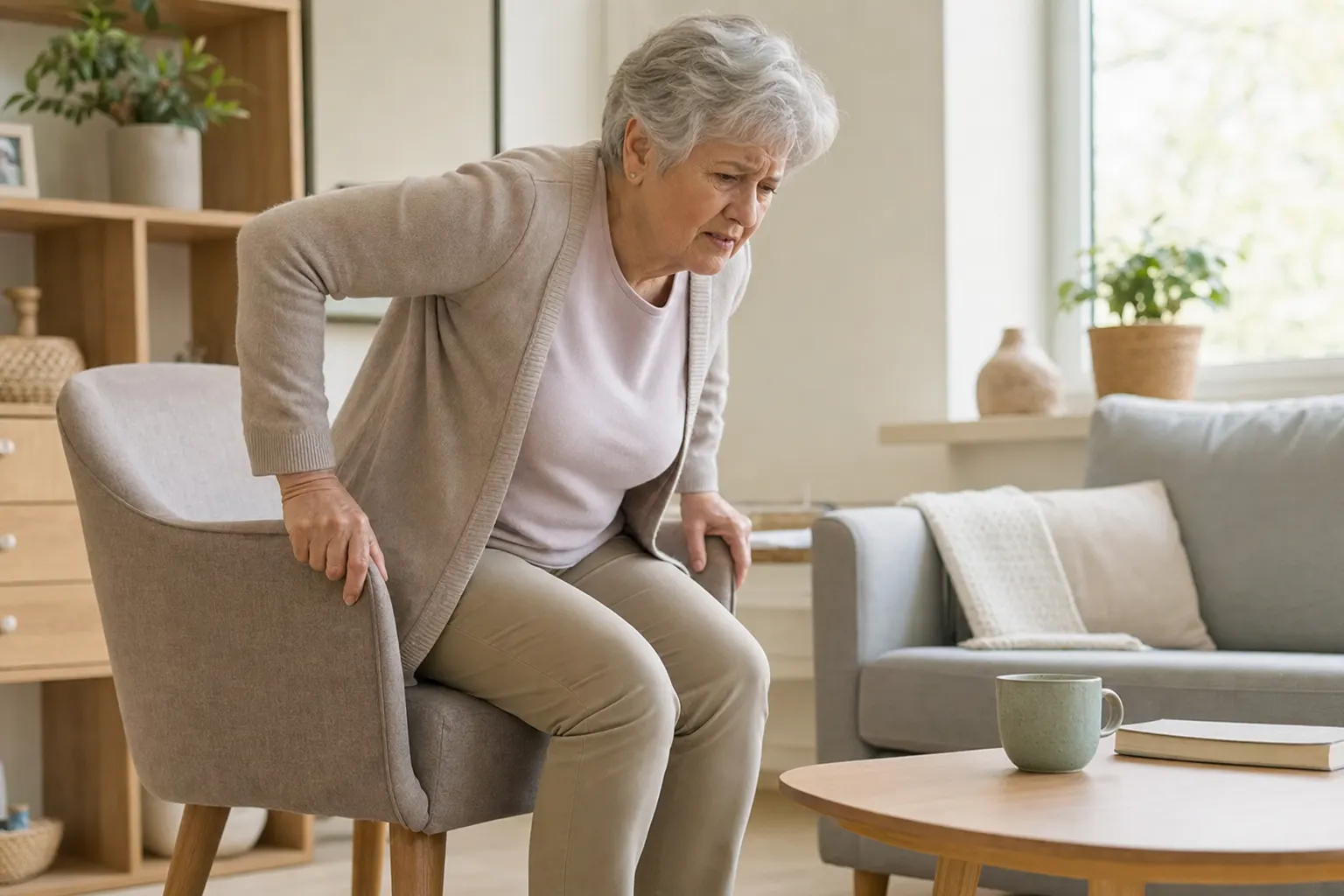
Osteoporosis: Signs You Should Watch For Before Consulting a Specialist
Discover the signs and symptoms of osteoporosis you should watch for to seek medical help in time.
5 min de lectura
Publicado: 24 de septiembre de 2026 · Actualizado: 24 de septiembre de 2026
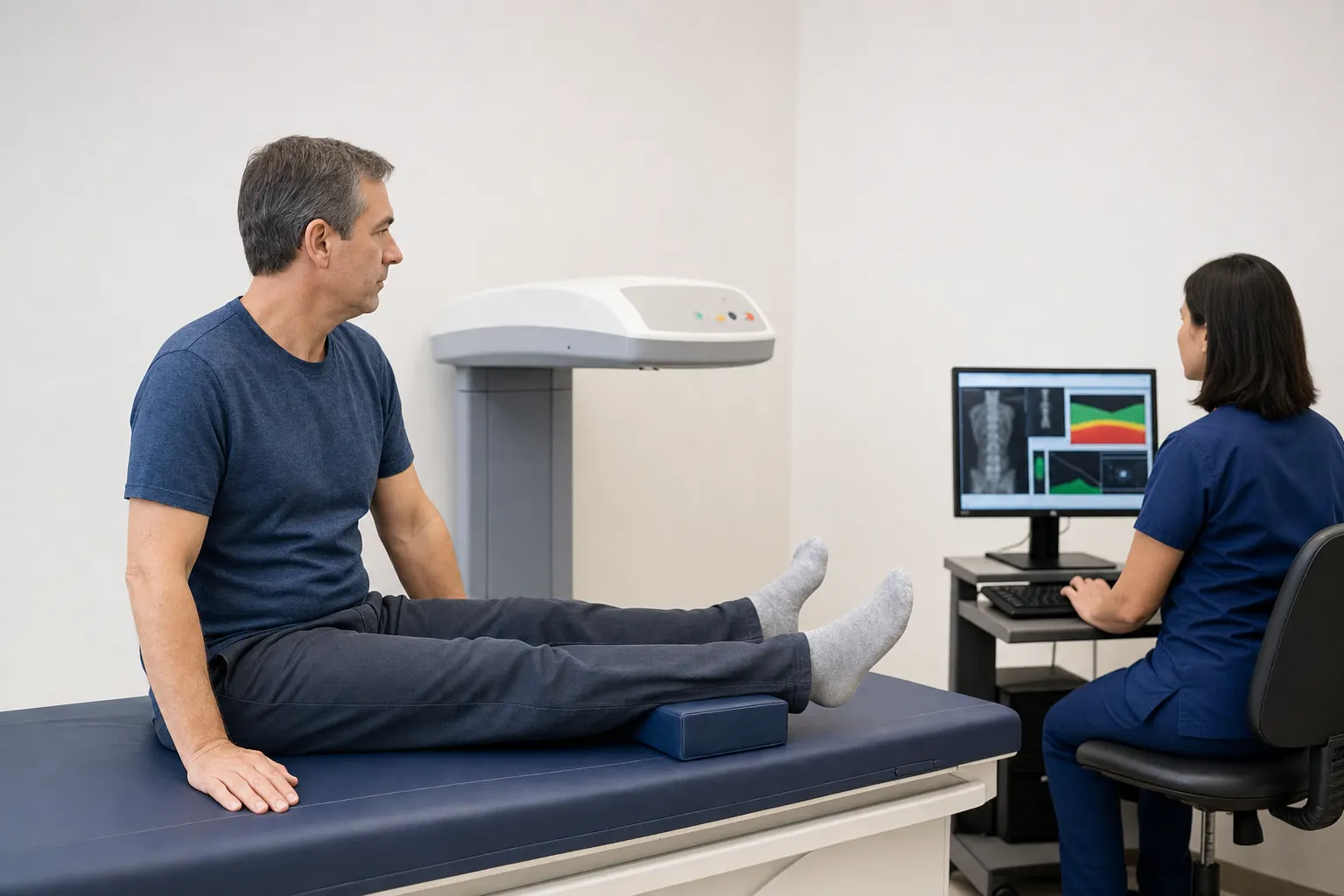
Common Mistakes When Preparing for Bone Densitometry Exams
Discover the most common mistakes when preparing for bone densitometry exams and how to avoid them to ensure accurate and reliable results.
8 min de lectura
Publicado: 14 de septiembre de 2026 · Actualizado: 14 de septiembre de 2026
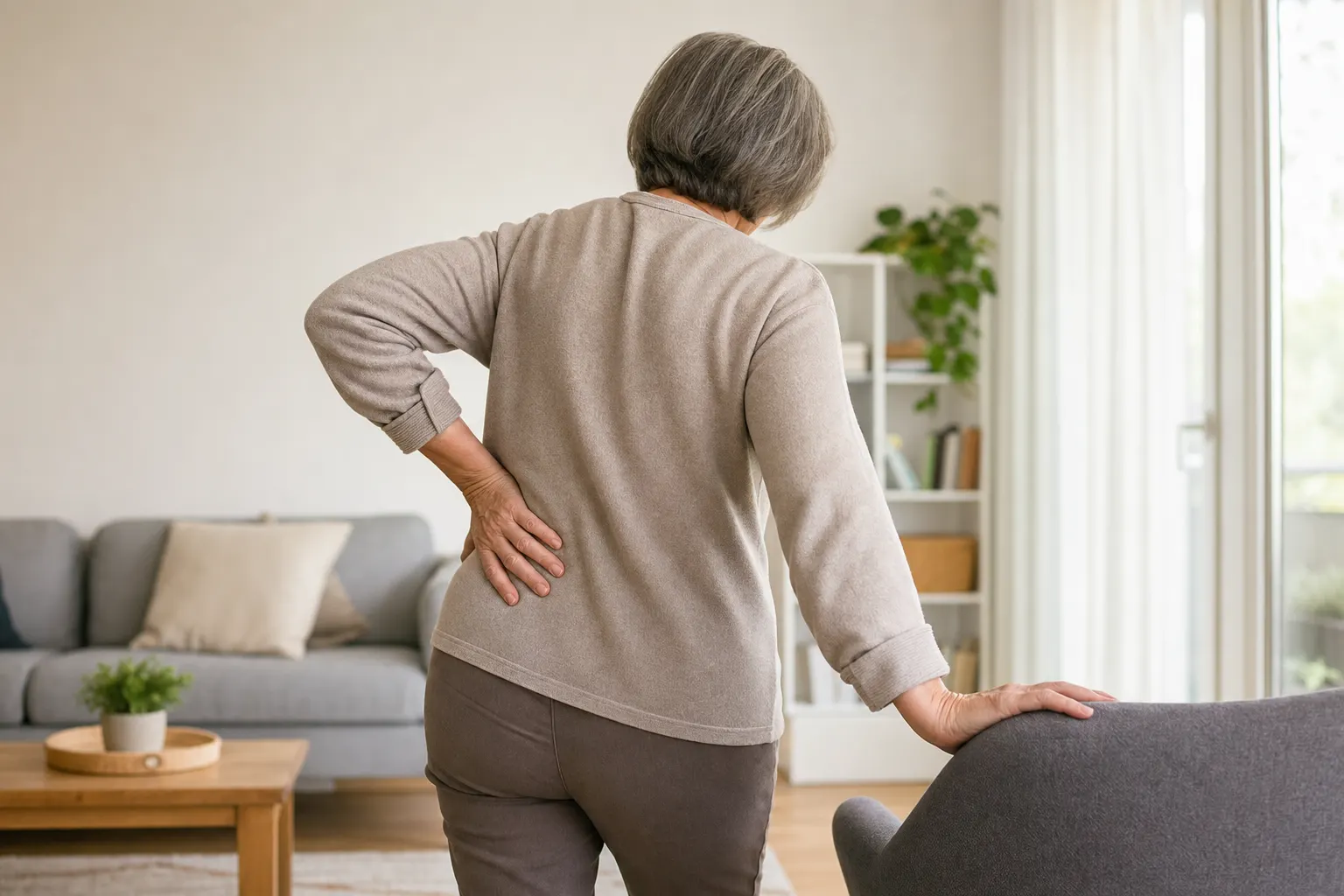
Essential Screenings to Identify Osteoporosis Complications in Early Stages
Learn about the importance of early detection of osteoporosis complications and the essential screenings for their identification.

5 min de lectura
Publicado: 3 de septiembre de 2026 · Actualizado: 3 de septiembre de 2026
Osteoporosis: Common Treatment Mistakes and How to Implement Safe Strategies
Learn about common mistakes in osteoporosis treatment and how to implement safe management strategies.
5 min de lectura
Publicado: 24 de agosto de 2026 · Actualizado: 24 de agosto de 2026
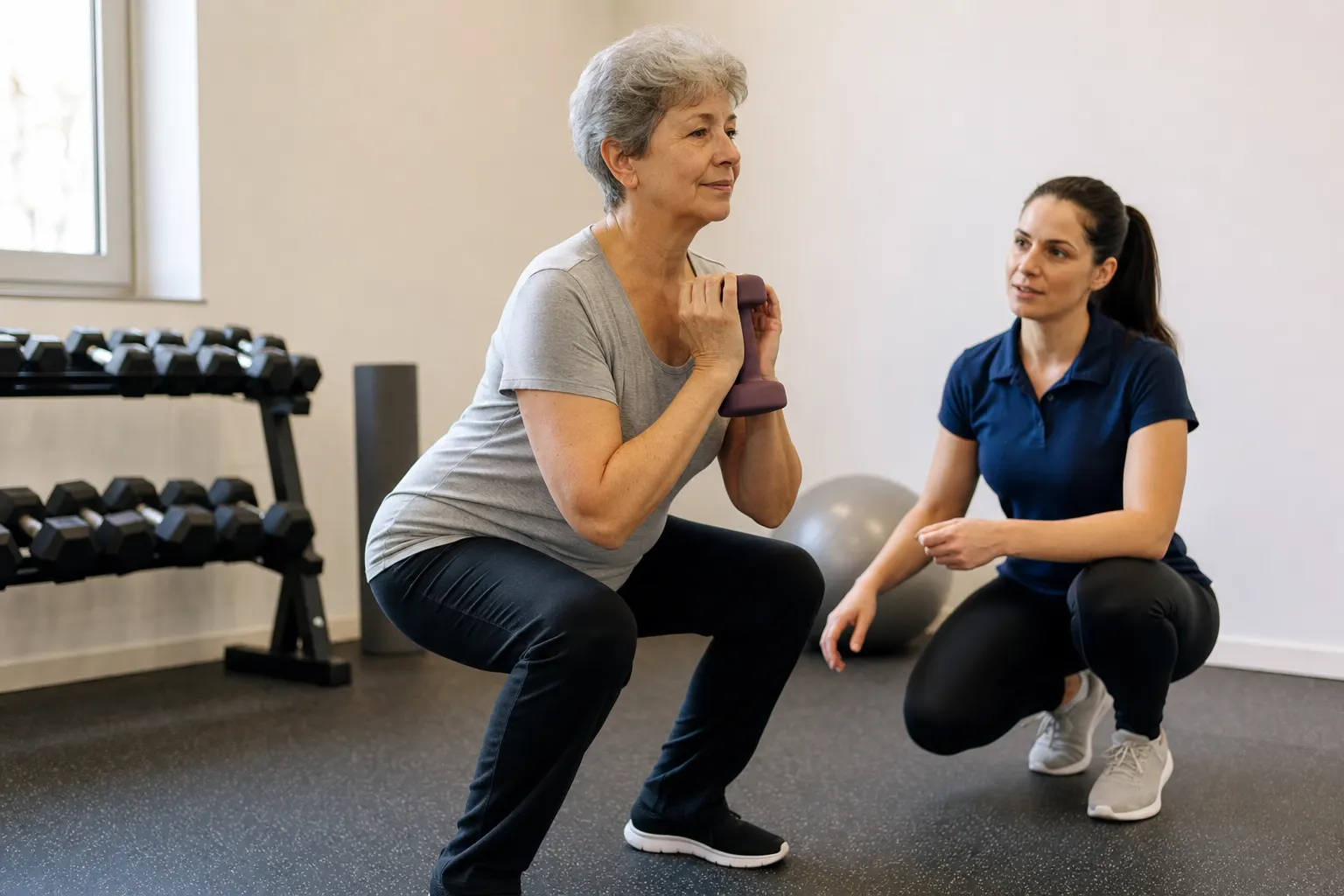
Osteoporosis: Establishing a Plan for Sustainable Habits and Personalized Follow-Up
Discover how to establish sustainable habits and personalized follow-up to effectively manage osteoporosis.
5 min de lectura
Publicado: 21 de septiembre de 2026 · Actualizado: 21 de septiembre de 2026
Osteoporosis: Diagnostic Methods and Essential Exams for Your Bone Health in Bogotá
Learn about the diagnostic methods for osteoporosis and how to care for your bone health in Bogotá, including essential exams like bone densitometry.