Educational article
Osteoporosis and Its Impact on Daily Life: Recognizing Changes in Symptoms

Dr. Teresita Cortés Segura, medical reviewer
Author and medical review: Dra. Teresita del Niño Jesús Cortés Segura, endocrinologist.
Location: Bogotá, Colombia.
Published: August 28, 2026 · Updated: August 28, 2026 · 5 min read.
Educational content. It does not replace an individual medical assessment and should not be used for self-medication.
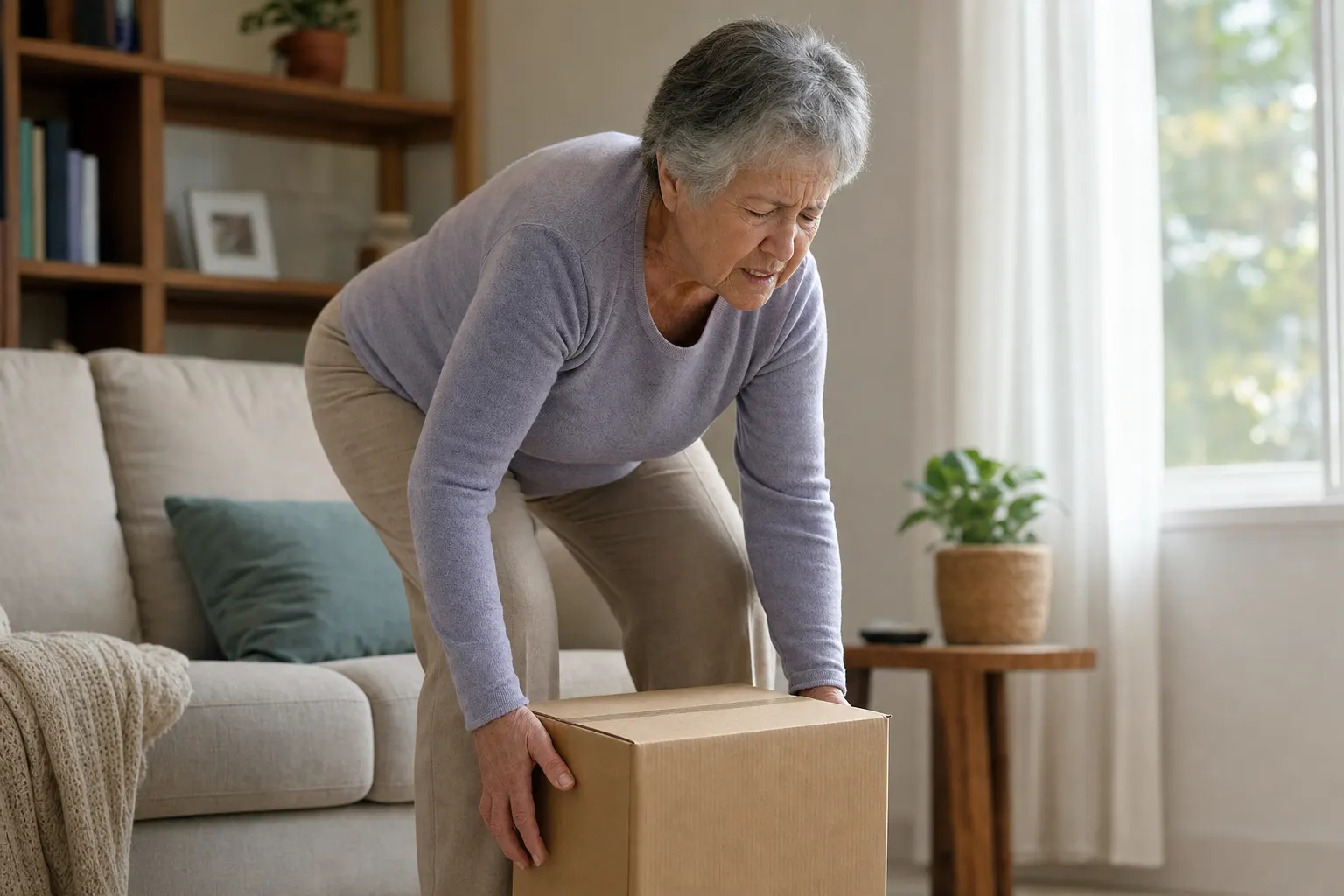
1. What is osteoporosis?
Osteoporosis is a disease that weakens bones, making them more prone to fractures. It is often asymptomatic in its early stages, which makes detection difficult.
2. Changes in mobility
Patients may experience a decrease in their ability to perform daily activities such as walking, climbing stairs, or carrying objects. This limitation can indicate disease progression.
3. Pain and discomfort
Back pain, especially in the lumbar area, can be a common symptom. Often, this pain may result from vertebral fractures that are not always immediately recognized.
4. Frequent fractures
Fractures can occur with minimal trauma, such as falls or even during routine movements. It is important to be alert to any unusual fractures.
5. Postural changes
Osteoporosis can lead to a stooped posture or a decrease in height. These changes may be subtle but are important signs to watch for.
6. Fatigue and weakness
Fatigue can be a less recognized symptom, but those with osteoporosis may feel a lack of energy when performing activities that were previously easy.
7. Importance of early diagnosis
Recognizing these symptoms is crucial to seek medical attention and obtain an accurate diagnosis, which can help prevent more serious complications.
8. Management strategies
Incorporating low-impact exercises, a diet rich in calcium and vitamin D, and avoiding tobacco and alcohol can help manage symptoms and improve bone health.
9. Follow-up plan
It is essential to maintain regular follow-up with an endocrinology specialist to assess bone health and adjust treatment as needed.
When to seek medical care
If symptoms persist, test results are abnormal, or you have questions about medication, arrange an individual assessment. Do not change treatment or doses without medical guidance.
Frequently asked questions
What are the first symptoms of osteoporosis?
Early symptoms may include back pain, frequent fractures, and postural changes.
How is osteoporosis diagnosed?
It is diagnosed through a medical evaluation that may include bone density tests and a review of medical history.
What can I do to prevent osteoporosis?
Maintain a balanced diet rich in calcium and vitamin D, exercise regularly, and avoid harmful habits such as smoking.
More articles about Osteoporosis
5 min de lectura
Publicado: 28 de septiembre de 2026 · Actualizado: 28 de septiembre de 2026
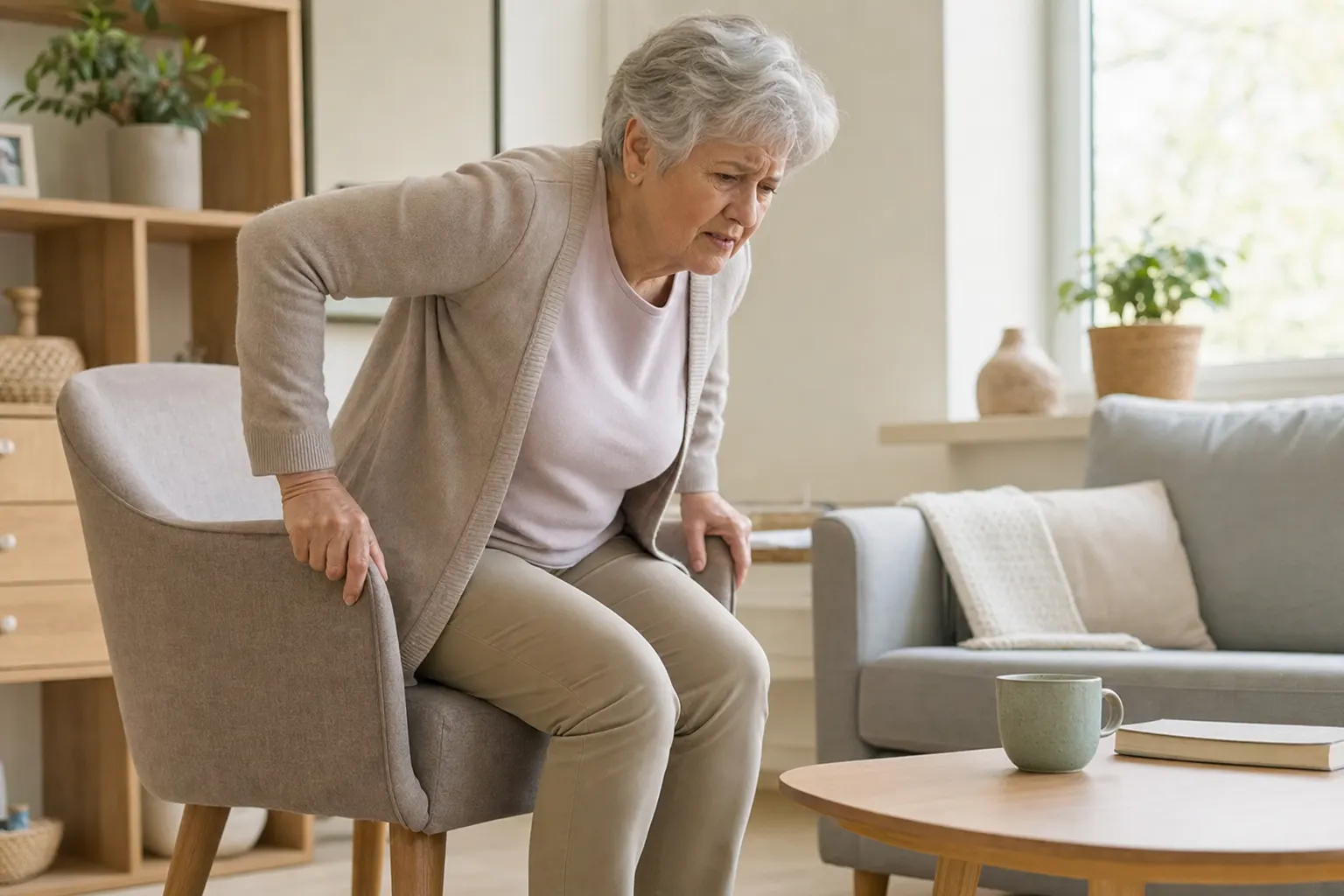
Osteoporosis: Signs You Should Watch For Before Consulting a Specialist
Discover the signs and symptoms of osteoporosis you should watch for to seek medical help in time.
5 min de lectura
Publicado: 24 de septiembre de 2026 · Actualizado: 24 de septiembre de 2026
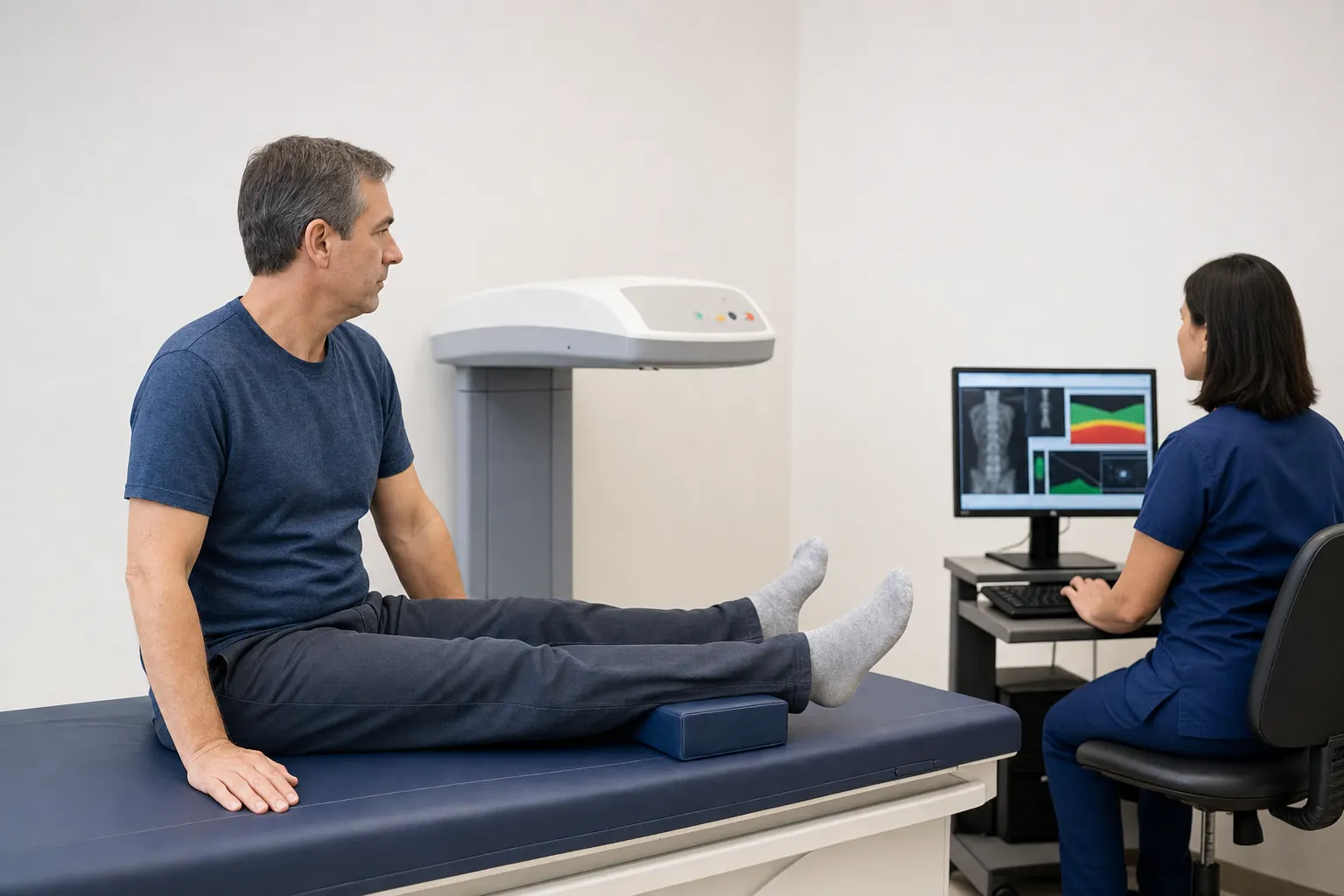
Common Mistakes When Preparing for Bone Densitometry Exams
Discover the most common mistakes when preparing for bone densitometry exams and how to avoid them to ensure accurate and reliable results.
8 min de lectura
Publicado: 14 de septiembre de 2026 · Actualizado: 14 de septiembre de 2026
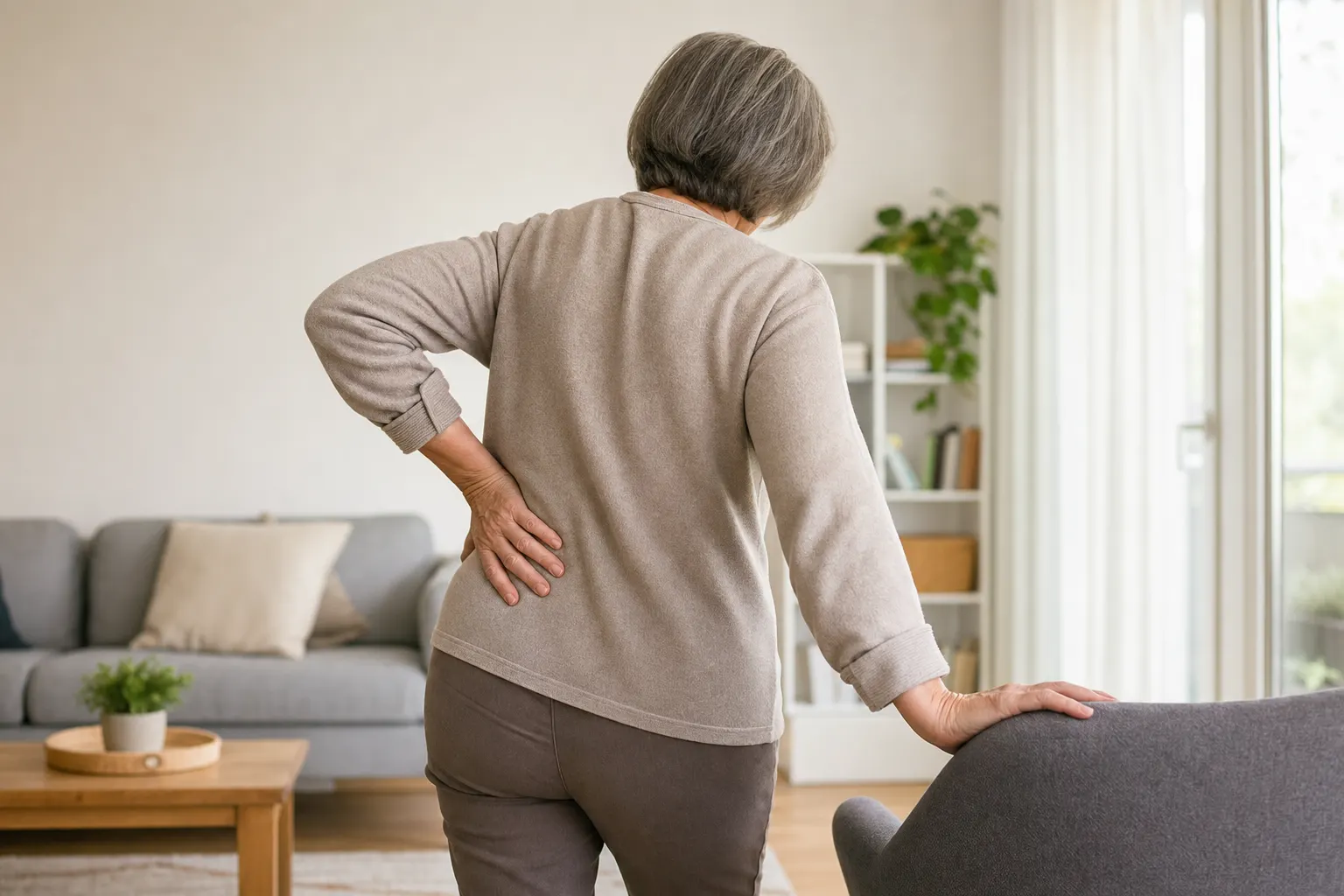
Essential Screenings to Identify Osteoporosis Complications in Early Stages
Learn about the importance of early detection of osteoporosis complications and the essential screenings for their identification.

5 min de lectura
Publicado: 3 de septiembre de 2026 · Actualizado: 3 de septiembre de 2026
Osteoporosis: Common Treatment Mistakes and How to Implement Safe Strategies
Learn about common mistakes in osteoporosis treatment and how to implement safe management strategies.

5 min de lectura
Publicado: 24 de agosto de 2026 · Actualizado: 24 de agosto de 2026
Osteoporosis: Establishing a Plan for Sustainable Habits and Personalized Follow-Up
Discover how to establish sustainable habits and personalized follow-up to effectively manage osteoporosis.
5 min de lectura
Publicado: 21 de septiembre de 2026 · Actualizado: 21 de septiembre de 2026
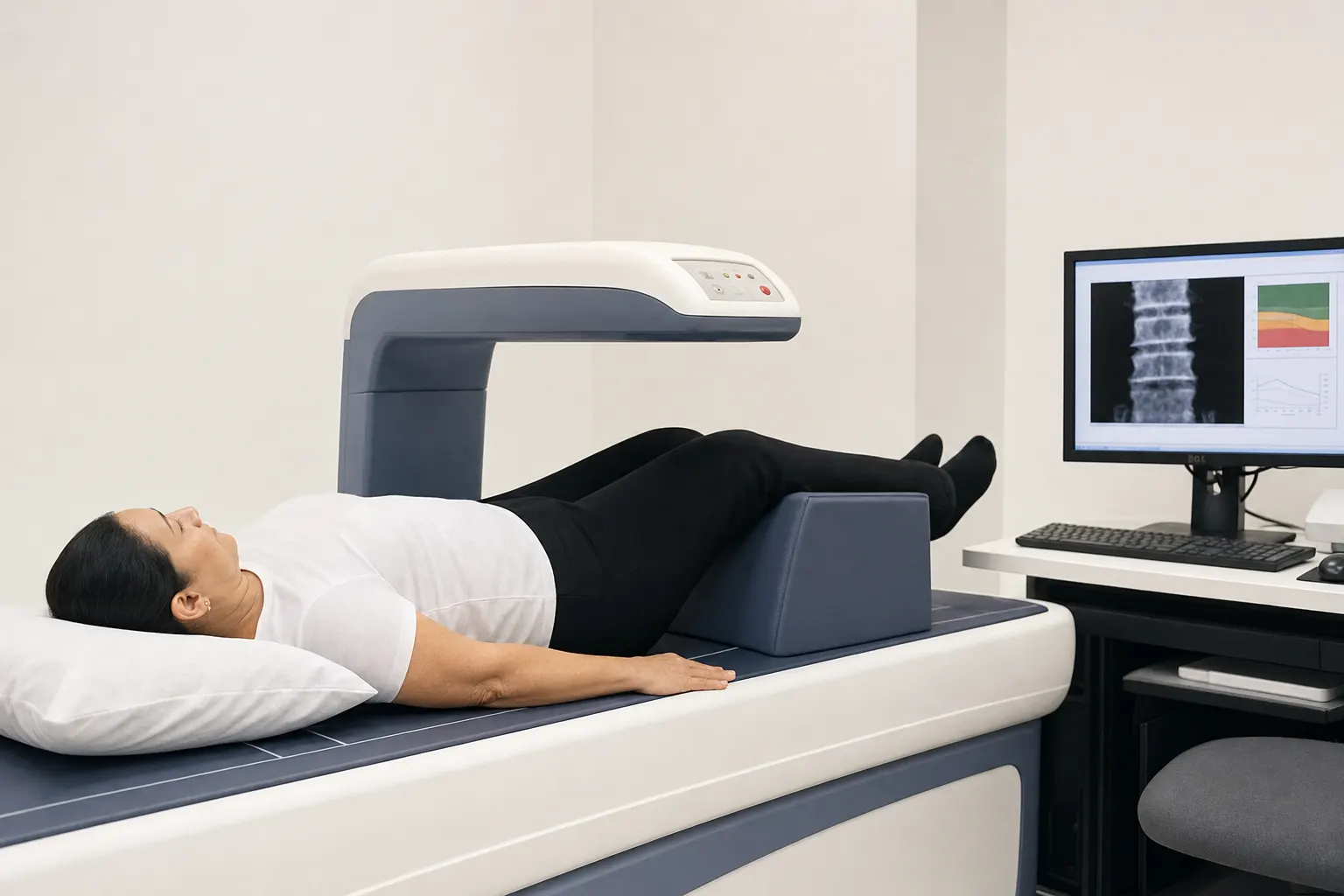
Osteoporosis: Diagnostic Methods and Essential Exams for Your Bone Health in Bogotá
Learn about the diagnostic methods for osteoporosis and how to care for your bone health in Bogotá, including essential exams like bone densitometry.