Educational article
Osteoporosis: Key Symptoms Indicating the Need for Medical Consultation

Dr. Teresita Cortés Segura, medical reviewer
Author and medical review: Dra. Teresita del Niño Jesús Cortés Segura, endocrinologist.
Location: Bogotá, Colombia.
Published: June 10, 2026 · Updated: June 10, 2026 · 5 min read.
Educational content. It does not replace an individual medical assessment and should not be used for self-medication.
What is osteoporosis?
Osteoporosis is a disease characterized by decreased bone density, which increases the risk of fractures. Often, this condition develops without obvious symptoms, making it a silent but serious health problem.
Common symptoms of osteoporosis
Although osteoporosis can be asymptomatic, some symptoms may indicate the need for medical attention. These include bone pain, frequent fractures, and loss of height. Recognizing these symptoms is essential for early diagnosis.

Signs indicating the need for medical consultation
It is crucial to pay attention to certain signs that may require medical evaluation, such as: 1. Persistent pain in the back or joints. 2. Fractures occurring from minor falls or without apparent cause. 3. Noticeable height loss over a short period, which may indicate bone health problems.
Diagnosis of osteoporosis
Osteoporosis diagnosis is made through clinical examinations and bone density tests. It is important to undergo these tests, especially if symptoms are present or if there are risk factors.
Follow-up and management of osteoporosis
Regular follow-up with an endocrinologist is fundamental for managing osteoporosis. This may include lifestyle changes, hormone therapy, or medications to strengthen bones and prevent fractures.
Common misconceptions about osteoporosis
Some patients believe osteoporosis only affects older women. However, men can also develop it. Additionally, it is a mistake to think medical attention is only needed after a fracture, as prevention is key.
When to consult a doctor?
You should consult a doctor if you experience persistent symptoms or have a family history of osteoporosis. Early detection and appropriate treatment are essential for effective disease management.
When to seek medical care
If symptoms persist, test results are abnormal, or you have questions about medication, arrange an individual assessment. Do not change treatment or doses without medical guidance.
Frequently asked questions
Does osteoporosis always present symptoms?
No, many people do not show symptoms until they suffer a fracture. That is why it is crucial to have regular bone density tests.
What factors increase the risk of osteoporosis?
Factors such as age, sex, genetics, and lifestyle, including lack of physical activity and poor diet, can increase the risk of developing osteoporosis.
Is it possible to prevent osteoporosis?
Yes, maintaining a diet rich in calcium and vitamin D, exercising regularly, and avoiding smoking are effective preventive measures to reduce the risk of osteoporosis.
More articles about Osteoporosis

5 min de lectura
Publicado: 28 de septiembre de 2026 · Actualizado: 28 de septiembre de 2026
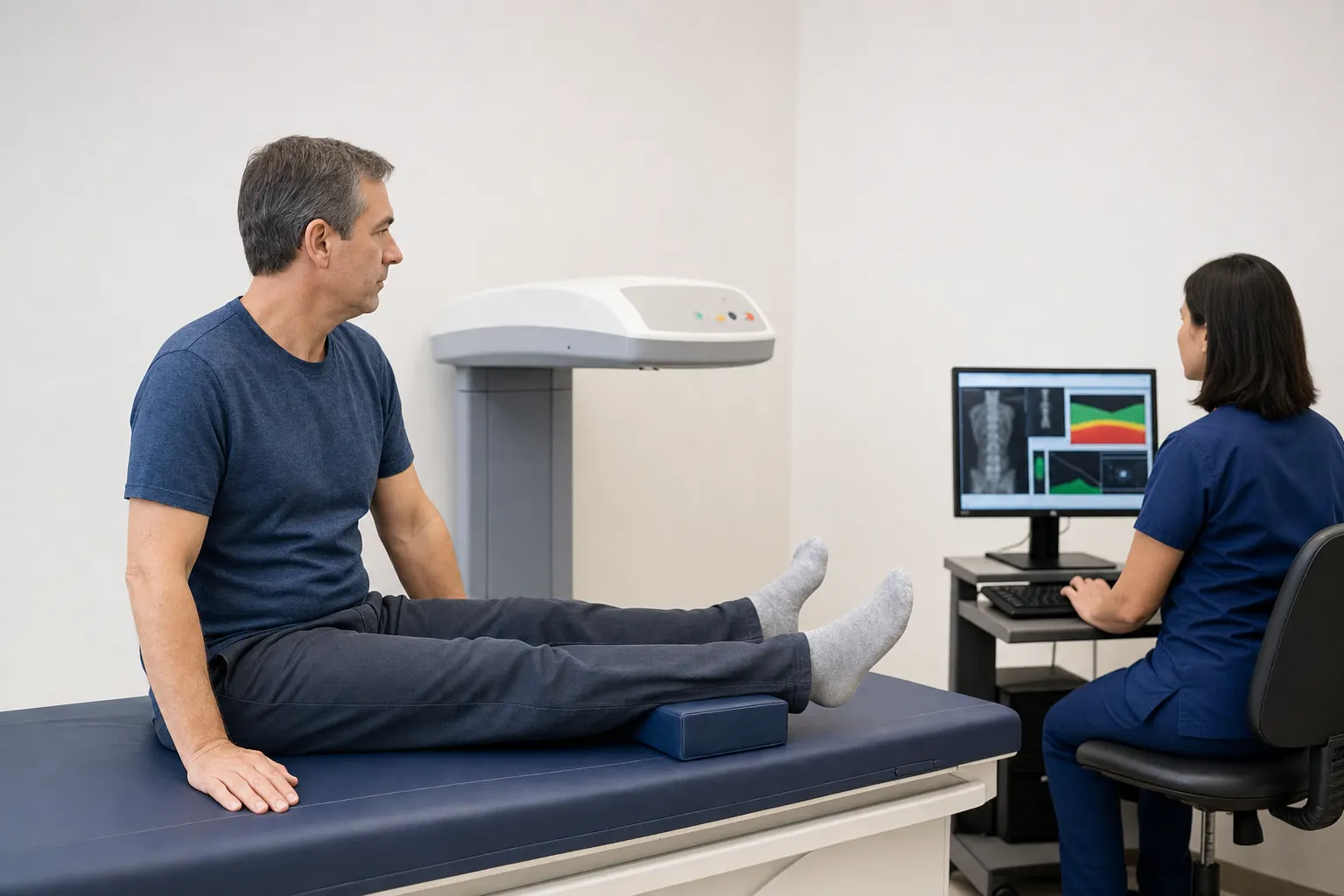
Osteoporosis: Signs You Should Watch For Before Consulting a Specialist
Discover the signs and symptoms of osteoporosis you should watch for to seek medical help in time.
5 min de lectura
Publicado: 24 de septiembre de 2026 · Actualizado: 24 de septiembre de 2026
Common Mistakes When Preparing for Bone Densitometry Exams
Discover the most common mistakes when preparing for bone densitometry exams and how to avoid them to ensure accurate and reliable results.

8 min de lectura
Publicado: 14 de septiembre de 2026 · Actualizado: 14 de septiembre de 2026
Essential Screenings to Identify Osteoporosis Complications in Early Stages
Learn about the importance of early detection of osteoporosis complications and the essential screenings for their identification.

5 min de lectura
Publicado: 3 de septiembre de 2026 · Actualizado: 3 de septiembre de 2026
Osteoporosis: Common Treatment Mistakes and How to Implement Safe Strategies
Learn about common mistakes in osteoporosis treatment and how to implement safe management strategies.

5 min de lectura
Publicado: 24 de agosto de 2026 · Actualizado: 24 de agosto de 2026
Osteoporosis: Establishing a Plan for Sustainable Habits and Personalized Follow-Up
Discover how to establish sustainable habits and personalized follow-up to effectively manage osteoporosis.
5 min de lectura
Publicado: 21 de septiembre de 2026 · Actualizado: 21 de septiembre de 2026
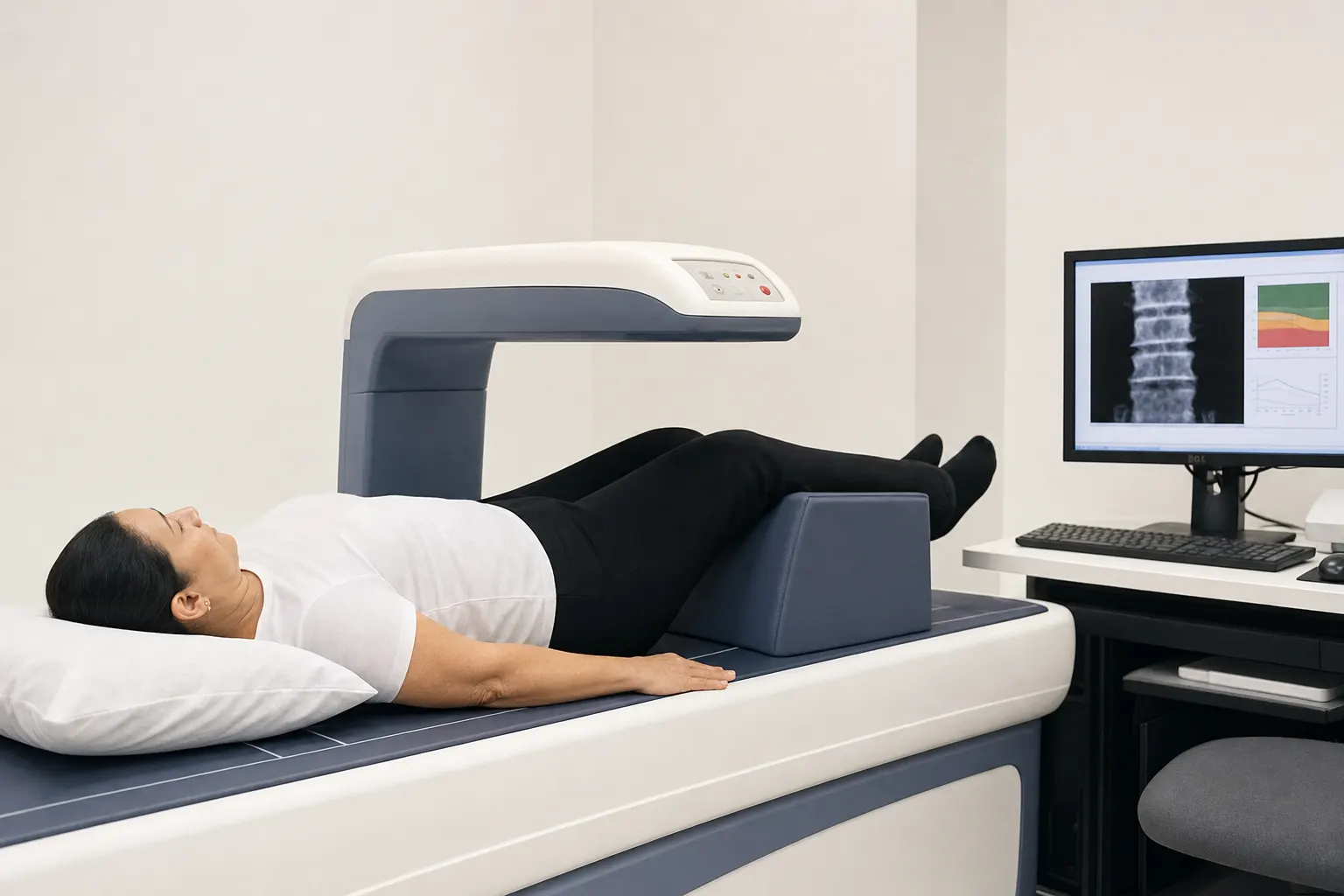
Osteoporosis: Diagnostic Methods and Essential Exams for Your Bone Health in Bogotá
Learn about the diagnostic methods for osteoporosis and how to care for your bone health in Bogotá, including essential exams like bone densitometry.