Educational article
Osteoporosis: Common Treatment Mistakes and How to Implement Safe Strategies

Dr. Teresita Cortés Segura, medical reviewer
Author and medical review: Dra. Teresita del Niño Jesús Cortés Segura, endocrinologist.
Location: Bogotá, Colombia.
Published: September 3, 2026 · Updated: September 3, 2026 · 5 min read.
Educational content. It does not replace an individual medical assessment and should not be used for self-medication.

1. Not Following Medical Instructions
One of the most common mistakes is not following the doctor's instructions regarding dosage and treatment frequency. This can lead to ineffective osteoporosis management.
2. Ignoring the Importance of Exercise
Regular exercise is essential to maintain bone health. Not incorporating appropriate physical activities can compromise treatment outcomes.
3. Neglecting Nutrition
A diet deficient in calcium and vitamin D can negatively affect treatment. It is vital to ensure a balanced diet rich in these nutrients.
4. Skipping Regular Check-ups
Periodic check-ups are essential to evaluate treatment effectiveness and make adjustments if necessary. Ignoring these appointments can lead to complications.
5. Self-Medicating
Taking supplements or medications without medical supervision can be dangerous and counterproductive. Always consult your specialist before making changes to your treatment.
6. Not Considering Other Health Conditions
It is important to consider other medical conditions that may influence osteoporosis treatment. Informing your doctor about any other ailments is crucial.
7. Not Seeking Emotional Support
Osteoporosis can be a challenging diagnosis to manage. Seeking emotional and psychological support can help improve adherence to treatment.
8. Underestimating Side Effects
Some treatments may have side effects. It is important to be informed and communicate any symptoms to your doctor.
9. Not Educating Yourself About the Disease
Learning more about osteoporosis and its treatment helps make informed decisions and follow the management plan properly.
10. Lack of Communication with the Doctor
Maintaining open and honest communication with your doctor is fundamental for treatment success. Do not hesitate to ask questions or express concerns.
When to seek medical care
If symptoms persist, test results are abnormal, or you have questions about medication, arrange an individual assessment. Do not change treatment or doses without medical guidance.
Frequently asked questions
What are the symptoms of osteoporosis?
Osteoporosis often has no symptoms until a fracture occurs. However, there may be bone pain or loss of height.
What types of treatment are used for osteoporosis?
Treatments may include medications, calcium and vitamin D supplements, and lifestyle change recommendations such as exercise.
How often should I have check-ups for osteoporosis?
Annual check-ups or as directed by your doctor are recommended to assess bone health and treatment effectiveness.
More articles about Osteoporosis

5 min de lectura
Publicado: 28 de septiembre de 2026 · Actualizado: 28 de septiembre de 2026
Osteoporosis: Signs You Should Watch For Before Consulting a Specialist
Discover the signs and symptoms of osteoporosis you should watch for to seek medical help in time.
5 min de lectura
Publicado: 24 de septiembre de 2026 · Actualizado: 24 de septiembre de 2026
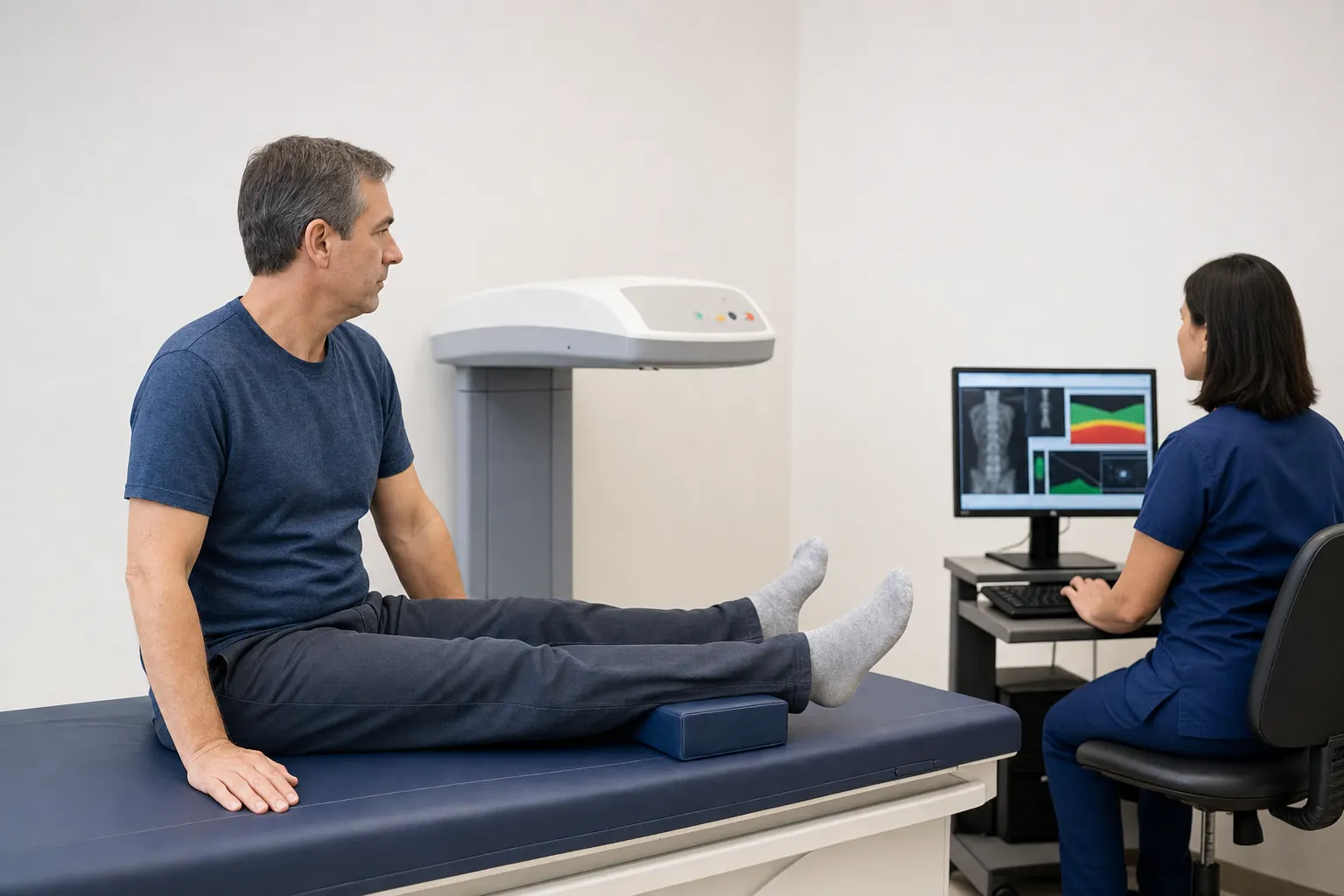
Common Mistakes When Preparing for Bone Densitometry Exams
Discover the most common mistakes when preparing for bone densitometry exams and how to avoid them to ensure accurate and reliable results.

8 min de lectura
Publicado: 14 de septiembre de 2026 · Actualizado: 14 de septiembre de 2026
Essential Screenings to Identify Osteoporosis Complications in Early Stages
Learn about the importance of early detection of osteoporosis complications and the essential screenings for their identification.

5 min de lectura
Publicado: 24 de agosto de 2026 · Actualizado: 24 de agosto de 2026
Osteoporosis: Establishing a Plan for Sustainable Habits and Personalized Follow-Up
Discover how to establish sustainable habits and personalized follow-up to effectively manage osteoporosis.

6 min de lectura
Publicado: 10 de julio de 2026 · Actualizado: 10 de julio de 2026
Osteoporosis: How to Implement Healthy Habits and Ensure Effective Follow-Up in Treatment
Learn how to implement healthy habits and ensure effective follow-up in osteoporosis treatment.
5 min de lectura
Publicado: 21 de septiembre de 2026 · Actualizado: 21 de septiembre de 2026
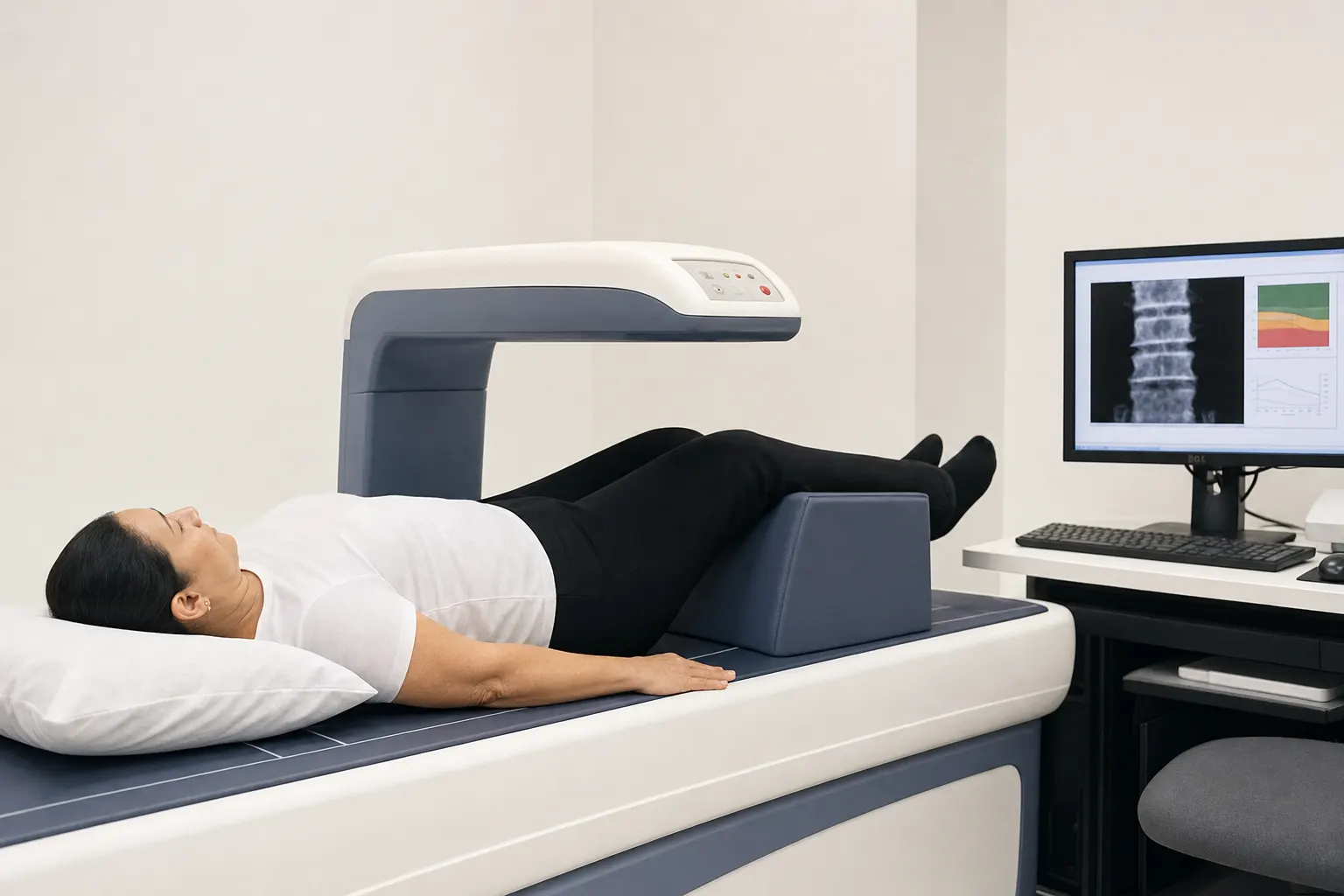
Osteoporosis: Diagnostic Methods and Essential Exams for Your Bone Health in Bogotá
Learn about the diagnostic methods for osteoporosis and how to care for your bone health in Bogotá, including essential exams like bone densitometry.