Educational article
Osteoporosis Treatment: How to Fit a Medical Option Into Your Life and Health

Educational content. It does not replace an individual medical assessment and should not be used for self-medication.

What Choosing an Osteoporosis Treatment Involves
Osteoporosis reduces bone density and strength, which can increase the risk of fracture. Choosing a treatment involves more than selecting a medication: a healthcare professional considers fracture risk, medical history, and which option can be used safely and feasibly for that person. The plan may be reviewed over time. Options may differ in how they are administered—for example, by mouth or by injection—and in how often they are given. No route is best for everyone. The decision depends on clinical and practical factors that are worth discussing.
Osteoporosis May Not Cause Signs Before a Fracture
Bone loss often progresses without clear symptoms. A person may not notice a specific change as osteoporosis progresses. A fracture after a minor bump or a fall may prompt an evaluation of bone health, but having no discomfort does not rule out the condition. If you have already been diagnosed, the treatment decision is generally based on a medical assessment of your fracture risk and overall situation, not only on how you feel.
Health History and Other Treatments Matter
Before recommending an option, a healthcare professional may review coexisting conditions, fracture history, allergies, test results, and the medications or supplements you use. Some health history may limit certain options or call for a more careful assessment. Kidney function may also affect the selection and monitoring of some treatments. Tell your healthcare professional if you have kidney disease or other important conditions; do not assume a medication is appropriate just because it worked for someone else.
Route, Frequency, and Routine: Factors That May Matter
Some regimens require taking a medication by mouth according to specific instructions; others are given less often or by a different route. Requirements depend on the option. Work schedules, difficulty swallowing, travel, other medications, and the ability to attend follow-up appointments may affect which regimen is feasible. Be open about barriers you may face. An option may be difficult to follow if those barriers are not discussed. Your medical team can explain alternatives, provided they are safe and appropriate for your situation.
How Preferences and Safety Are Weighed
Your preferences about the method and frequency of administration, as well as your past experiences and concerns, are part of the discussion. They are considered along with fracture risk, expected benefits, and possible risks; on their own, they do not determine which option is appropriate. The decision should be based on a clinical assessment and made collaboratively. Do not change the interval, stop treatment, or combine treatments on your own. If following the plan is difficult, let your healthcare team know.
Useful Questions to Bring to Your Appointment
You can write down a few questions and prioritize those that best fit your situation: - Which factors related to my health and fracture risk influence the proposed option? - What benefits are expected, and what risks or adverse effects should I know about? - How is this option administered, and how often? - Do my health history, kidney function, or medications affect the available options? - What follow-up will I need, and how can it be coordinated with my routine? - What should I do if it is difficult to follow the regimen or my health changes?
Diagnosis, Follow-Up, and Reviewing the Plan
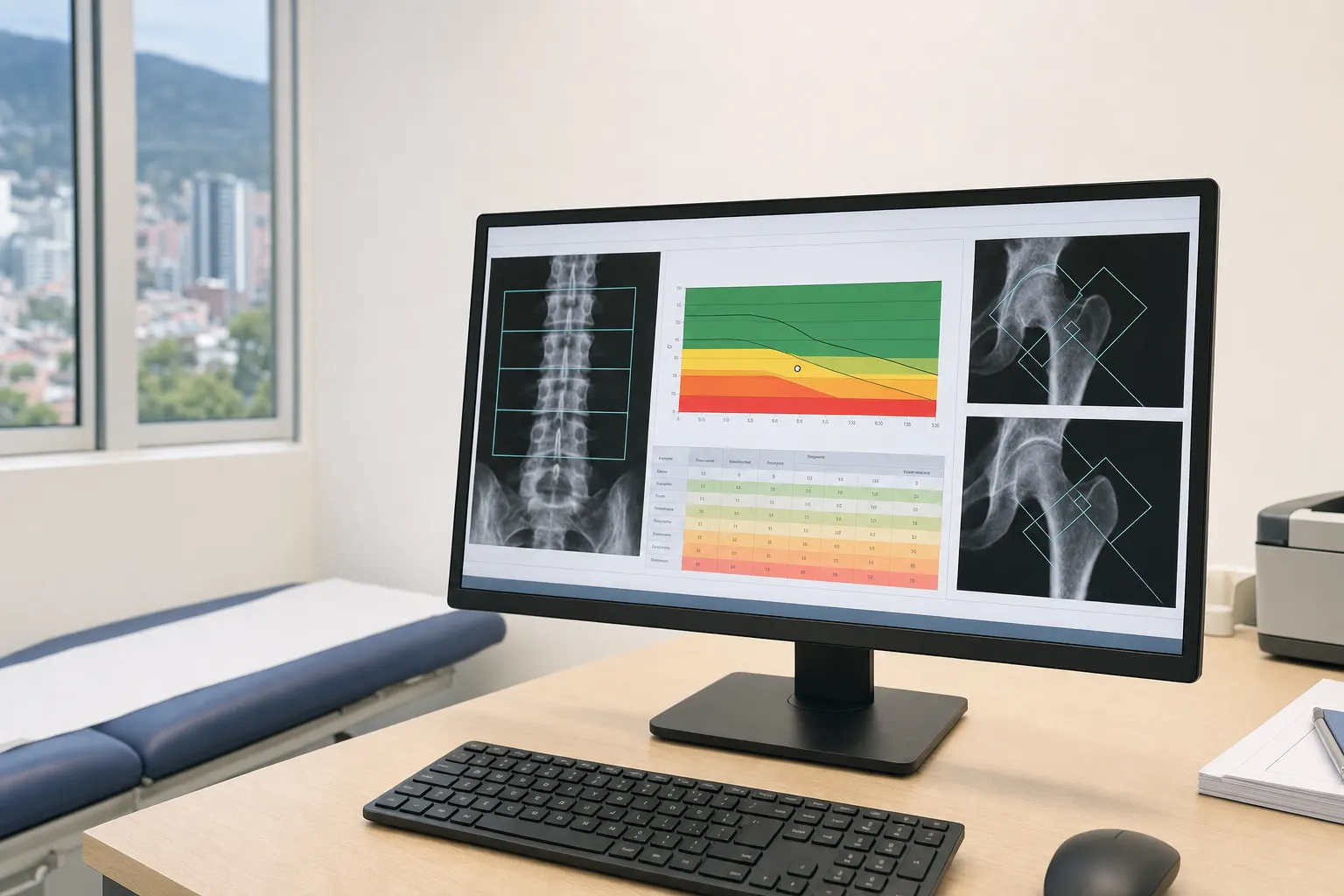
The evaluation may include your medical history, risk factors, bone density tests, and other results the healthcare professional considers relevant. Follow-up visits allow them to review tolerability, changes in your health, and whether the treatment and its method of administration remain appropriate. Bring an up-to-date list of your medications and relevant health history. Tell your healthcare professional if your health changes or you have been unable to follow the regimen; this information helps them assess how to proceed.
Common Mistakes and When to Ask for Guidance
A common mistake is choosing based only on convenience without considering fracture risk and safety. It may also be harmful to leave out information about medications, medical conditions, or practical difficulties, or to change the plan without guidance. Ask for guidance if you do not understand how to take or administer the treatment, if your routine or health makes it difficult to follow, if you have concerns about risks, or if your medical situation changes. This guide is for educational purposes and does not replace an assessment by a healthcare professional familiar with your medical history.
When to seek medical care
If symptoms persist, test results are abnormal, or you have questions about medication, arrange an individual assessment. Do not change treatment or doses without medical guidance.
Frequently asked questions
Is the most convenient option always the most appropriate?
Not necessarily. Preferences and convenience matter, but they are considered along with fracture risk, health history, expected benefits, and possible risks.
Should I change the frequency if I cannot follow the regimen?
Do not change it on your own. Tell the healthcare professional managing your treatment about the difficulty so they can consider with you whether a safe alternative is available.
What information should I bring to my appointment?
Bring a list of the medications and supplements you use, relevant health history, available medical test results, and a specific description of any barriers or preferences related to administration and follow-up.
Does this topic resonate with you?
Every case is different. Book a consultation to review your history, test results and goals with a personalized plan.
More articles about Osteoporosis

5 min de lectura
Publicado: 8 de noviembre de 2026 · Actualizado: 8 de noviembre de 2026
Moving with Osteoporosis: How to Care for Your Balance and Strength While Staying Active
Physical activity can support strength and mobility with osteoporosis. Learn about its components, how to start gradually, and what to discuss when adapting movement to your needs.

5 min de lectura
Publicado: 6 de noviembre de 2026 · Actualizado: 6 de noviembre de 2026
Osteoporosis Treatment: How to Measure Progress Beyond Bone Density Scans
The response to osteoporosis treatment is not usually something you can feel day to day. Learn how fractures, adherence to the treatment plan, and bone density scans are interpreted to assess risk and decide on next steps.

5 min de lectura
Publicado: 2 de noviembre de 2026 · Actualizado: 2 de noviembre de 2026
Osteoporosis and Travel: Plan Your Checkups and Care Before You Leave
Review what to coordinate before traveling if you have osteoporosis: upcoming checkups, prescribed medications, instructions for the journey, and what to do if you fall.

5 min de lectura
Publicado: 30 de octubre de 2026 · Actualizado: 30 de octubre de 2026
From Fragile Bones to Fracture: What Predisposes You and What Can Trigger It
A fall can precipitate a fracture, but it usually does not explain preexisting bone fragility on its own. Learn about factors that may predispose someone to osteoporosis and how bone health is evaluated after a fracture.
5 min de lectura
Publicado: 2 de octubre de 2026 · Actualizado: 2 de octubre de 2026
Key Factors for Diagnosing Osteoporosis: Personal History and Essential Data
Analyzes the personal history and essential data for an accurate diagnosis of osteoporosis in Bogotá.

5 min de lectura
Publicado: 28 de septiembre de 2026 · Actualizado: 28 de septiembre de 2026
Osteoporosis: Signs You Should Watch For Before Consulting a Specialist
Discover the signs and symptoms of osteoporosis you should watch for to seek medical help in time.