Educational article
Osteoporosis: Available Treatments and What to Expect During Recovery

Dr. Teresita Cortés Segura, medical reviewer
Author and medical review: Dra. Teresita del Niño Jesús Cortés Segura, endocrinologist.
Location: Bogotá, Colombia.
Published: July 10, 2026 · Updated: July 10, 2026 · 5 min read.
Educational content. It does not replace an individual medical assessment and should not be used for self-medication.
What is Osteoporosis?
Osteoporosis is a disease that weakens bones, making them more prone to fractures. Understanding its nature is essential to effectively address treatment.
Medical Treatment Options
The most common treatments include medications such as bisphosphonates, hormone therapy, and selective estrogen receptor modulators. Each option has its benefits and risks, and it is important to discuss them with an endocrinologist.
Lifestyle Changes
Incorporating regular exercise, such as daily walks and strength training, along with a diet rich in calcium and vitamin D, and avoiding smoking and excessive alcohol consumption are fundamental for managing osteoporosis.
Expectations During Treatment
Patients may begin to notice improvements in bone health after several months of treatment. Patience and regular follow-up are key to evaluating treatment effectiveness.
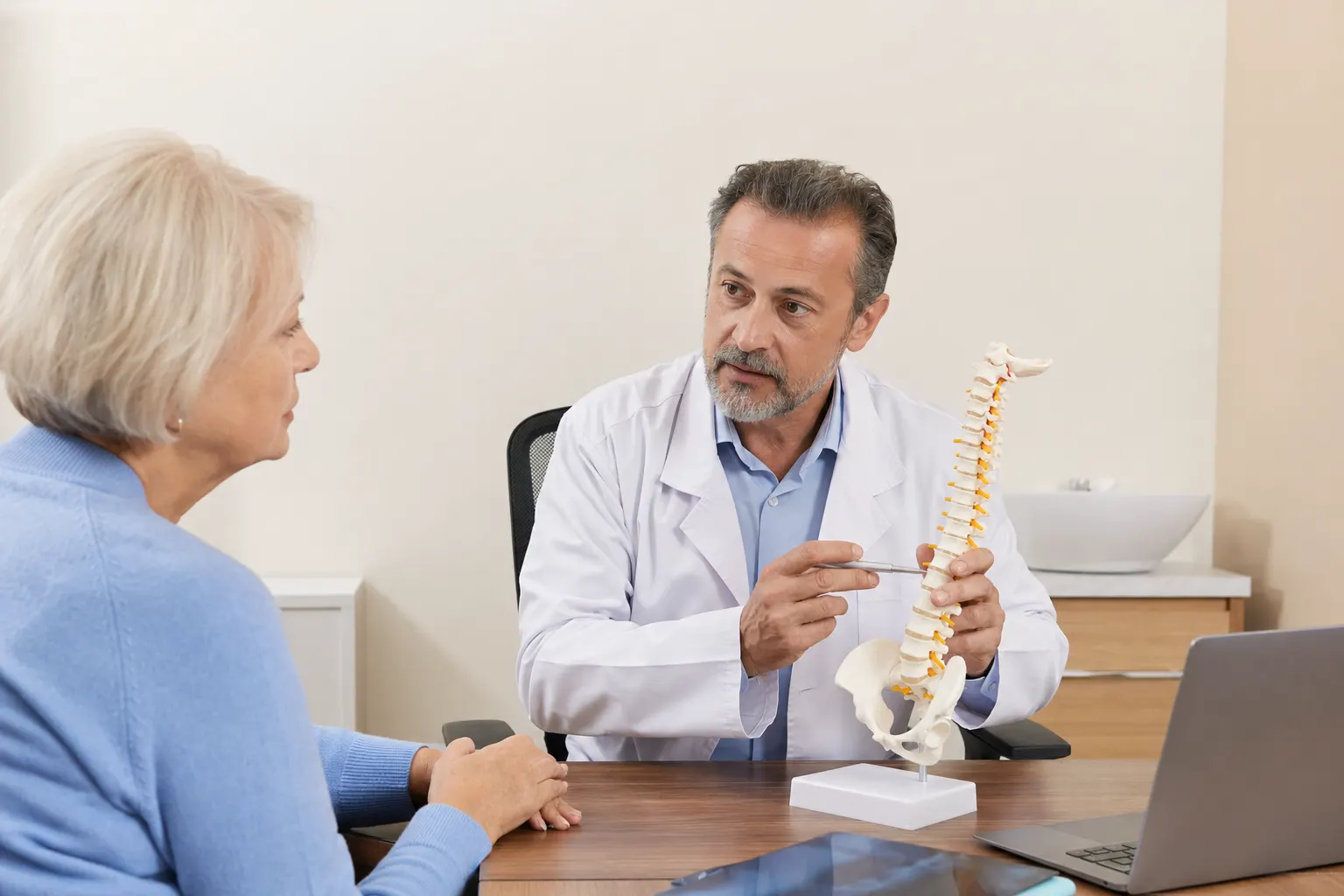
Importance of Medical Follow-up
Regular visits to the endocrinologist are essential to monitor bone health and adjust treatment as necessary, ensuring a personalized approach.
Emotional and Psychological Support
The diagnosis of osteoporosis can be overwhelming. Seeking emotional and psychological support, whether through therapy or support groups, is important to manage the impact of the disease.
Fall Prevention
Implementing measures to prevent falls, such as home safety reviews to eliminate hazards and using appropriate footwear, can significantly reduce the risk of fractures.
Continuous Education
Staying informed about osteoporosis and its treatments is vital. Participating in support groups or workshops can provide useful information and a sense of community.
Conclusion and Follow-up Plan
Osteoporosis is manageable with a comprehensive approach that includes medical treatments, lifestyle changes, and regular follow-up. Establishing a follow-up plan with your endocrinologist is crucial for effective recovery.
When to seek medical care
If symptoms persist, test results are abnormal, or you have questions about medication, arrange an individual assessment. Do not change treatment or doses without medical guidance.
Frequently asked questions
How long will it take to see results from osteoporosis treatment?
Results can vary, but improvements in bone health are generally noticeable after several months of treatment.
Is it necessary to take osteoporosis medications for life?
Not always, but many patients may require long-term treatments to maintain bone health.
What type of exercise is recommended for patients with osteoporosis?
Low-impact exercises, such as walking, swimming, or yoga, are recommended to strengthen bones without risk of injury.
More articles about Osteoporosis
5 min de lectura
Publicado: 28 de septiembre de 2026 · Actualizado: 28 de septiembre de 2026
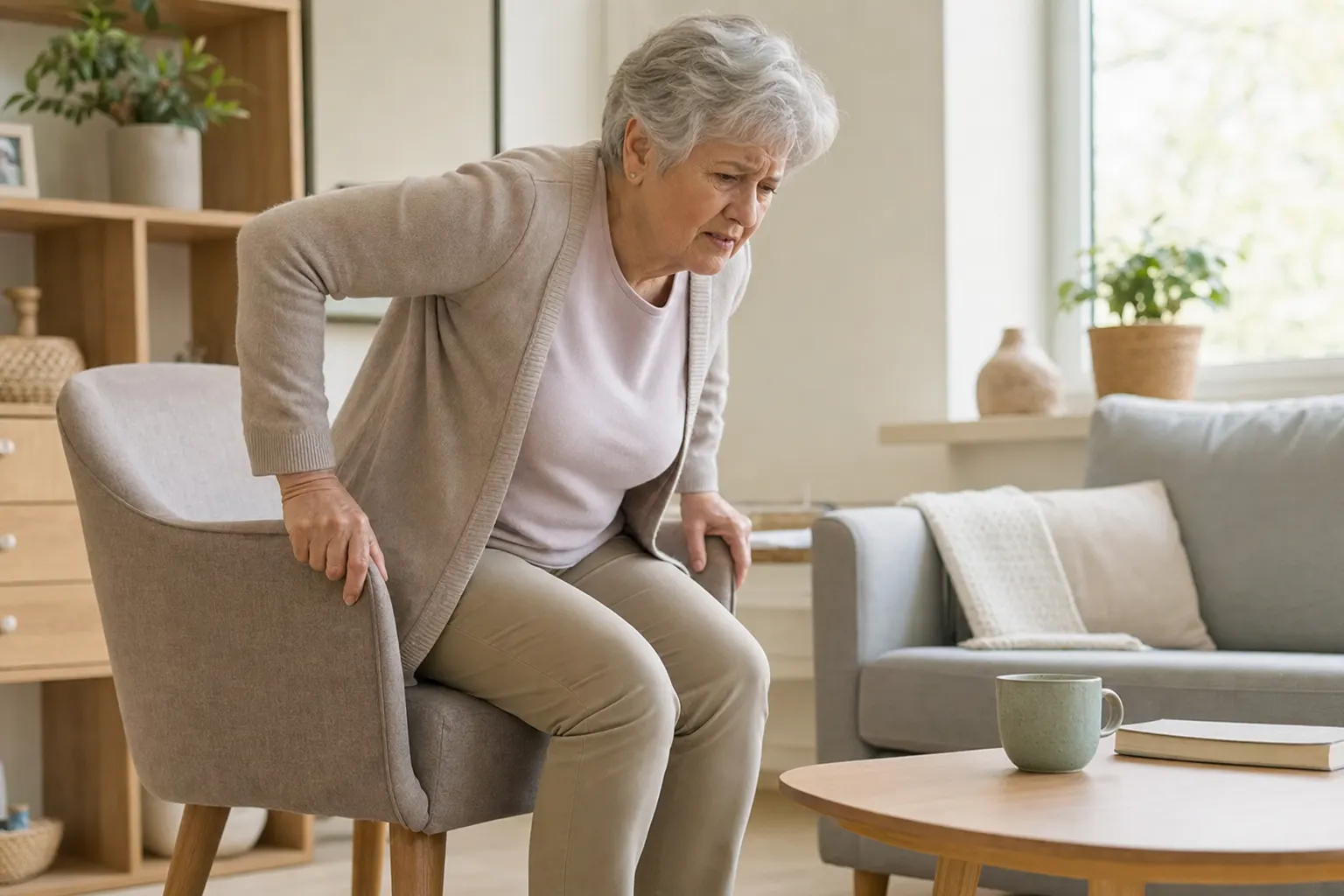
Osteoporosis: Signs You Should Watch For Before Consulting a Specialist
Discover the signs and symptoms of osteoporosis you should watch for to seek medical help in time.
5 min de lectura
Publicado: 24 de septiembre de 2026 · Actualizado: 24 de septiembre de 2026
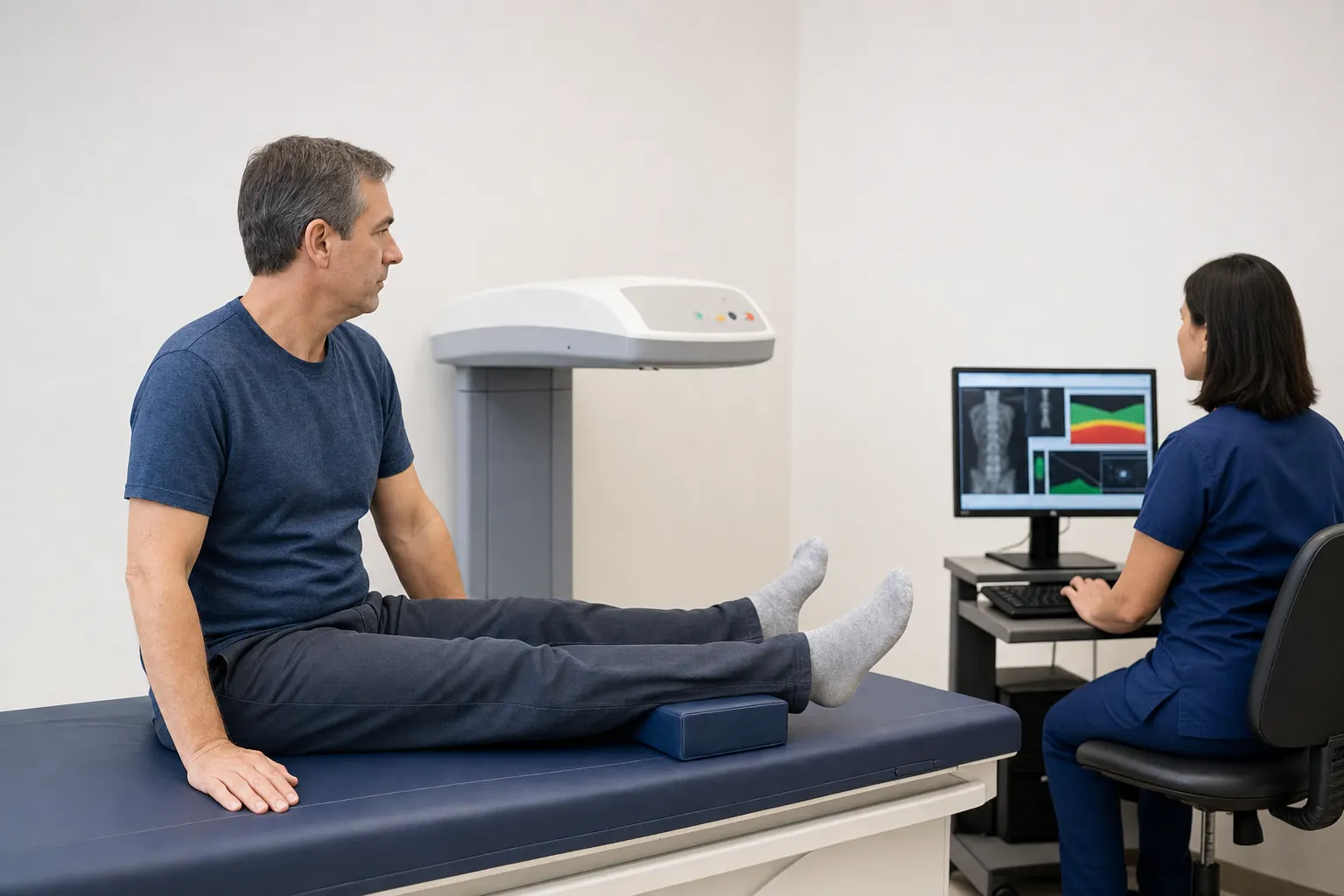
Common Mistakes When Preparing for Bone Densitometry Exams
Discover the most common mistakes when preparing for bone densitometry exams and how to avoid them to ensure accurate and reliable results.

8 min de lectura
Publicado: 14 de septiembre de 2026 · Actualizado: 14 de septiembre de 2026
Essential Screenings to Identify Osteoporosis Complications in Early Stages
Learn about the importance of early detection of osteoporosis complications and the essential screenings for their identification.

5 min de lectura
Publicado: 3 de septiembre de 2026 · Actualizado: 3 de septiembre de 2026
Osteoporosis: Common Treatment Mistakes and How to Implement Safe Strategies
Learn about common mistakes in osteoporosis treatment and how to implement safe management strategies.

5 min de lectura
Publicado: 24 de agosto de 2026 · Actualizado: 24 de agosto de 2026
Osteoporosis: Establishing a Plan for Sustainable Habits and Personalized Follow-Up
Discover how to establish sustainable habits and personalized follow-up to effectively manage osteoporosis.
5 min de lectura
Publicado: 21 de septiembre de 2026 · Actualizado: 21 de septiembre de 2026
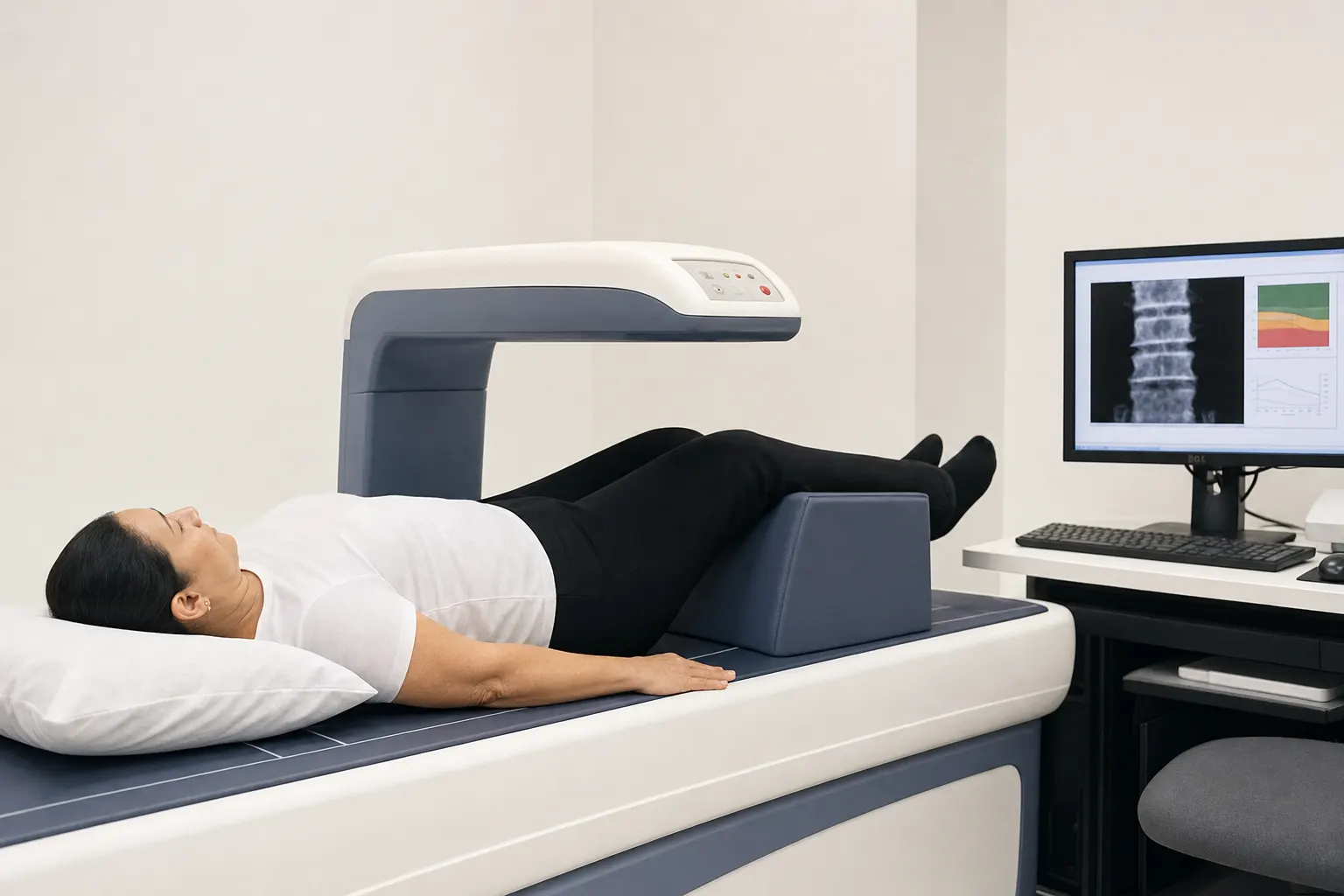
Osteoporosis: Diagnostic Methods and Essential Exams for Your Bone Health in Bogotá
Learn about the diagnostic methods for osteoporosis and how to care for your bone health in Bogotá, including essential exams like bone densitometry.