Educational article
First Review of a Pituitary Lesion: Documents and Questions to Bring

Educational content. It does not replace an individual medical assessment and should not be used for self-medication.

Why prepare for the first review of a pituitary lesion?
Learning that you have a lesion in the pituitary gland may come with reports, images, and questions. Organizing the information already available can help endocrinology, neurosurgery, or other professionals involved understand the context and explain what is known and what still needs to be clarified. The goal is not to arrive with your own diagnosis or to independently gather a universal list of tests.
Myth: You need to repeat all the tests before your appointment
Not necessarily. Bring the reports and images you already have, along with any available hormone results. The care team will decide whether any tests need to be reviewed, supplemented, or repeated based on your medical history. If you only have the written report, bring it anyway and ask how to obtain or share the images.
What documents should you gather?
You can organize the following on paper or digitally: pituitary imaging reports and any available images, hormone results, and other reports related to the evaluation. Add an up-to-date list of medications and supplements, including their names and how you use them, as well as relevant medical history and treatments. Do not stop or change medications to prepare for the appointment; ask your care team if you have questions.
Myth: You need to interpret your symptoms before your appointment
You do not need to attribute symptoms to the lesion or decide what they mean. It may be helpful to note changes in vision, headaches, or other symptoms; when they began; how they have changed; and whether they interfere with your activities. This information describes what is happening without replacing a clinical evaluation. If you experience sudden vision loss or a sudden, severe headache, seek urgent medical care.
What questions can help clarify the evaluation?
Bring the questions that matter most to you and consider asking: What is known about the lesion so far? What still needs to be confirmed? What information from the images and test results is being considered? You can also ask for a plain-language explanation of the possibilities being considered and any decisions, if applicable, that should be discussed at this stage.
How can you discuss the next steps?
Clarify who coordinates your follow-up and which team you should contact if questions arise. Ask when your next follow-up is planned, what changes should prompt you to contact the team before then, and which channel to use. If the appointment is rescheduled, ask how to maintain continuity of follow-up and whether you should review any clinical instructions while you wait.
Myth: All your results are in one place
In Colombia, reports and results may be spread across different providers or platforms. Ask where and how to obtain copies of reports and images, and what format the care team can review. If you cannot obtain a document before the appointment, bring what you have and explain what is missing; do not independently delay an appointment that is already scheduled.
An informed conversation, not a perfect checklist
A complete folder can be helpful, but it is not a requirement for asking questions or receiving guidance. Prioritize the documents you have, a list of medications and medical history, and brief notes about changes you have noticed. This guide is educational and does not replace an appointment with endocrinology, neurosurgery, or the team managing your care.
When to seek medical care
If symptoms persist, test results are abnormal, or you have questions about medication, arrange an individual assessment. Do not change treatment or doses without medical guidance.
Frequently asked questions
Should I bring the images if I already have the written report?
Bring both if you have them. The report provides a description, and the images may allow the team to review them directly. If you do not have the images, ask how to obtain or share them.
Do I need to get new tests before the review?
There is no single list of tests that applies to everyone. Bring the results you have and confirm with your care team whether you need any additional tests.
What should I do if my appointment is rescheduled?
Ask how follow-up will be maintained, when the new appointment will take place, and whom to contact if you have changes or questions while you wait. If you notice a significant change in your health, consult a healthcare professional rather than waiting until the new date.
Does this topic resonate with you?
Every case is different. Book a consultation to review your history, test results and goals with a personalized plan.
More articles about Pituitary health
6 min de lectura
Publicado: 12 de noviembre de 2026 · Actualizado: 12 de noviembre de 2026
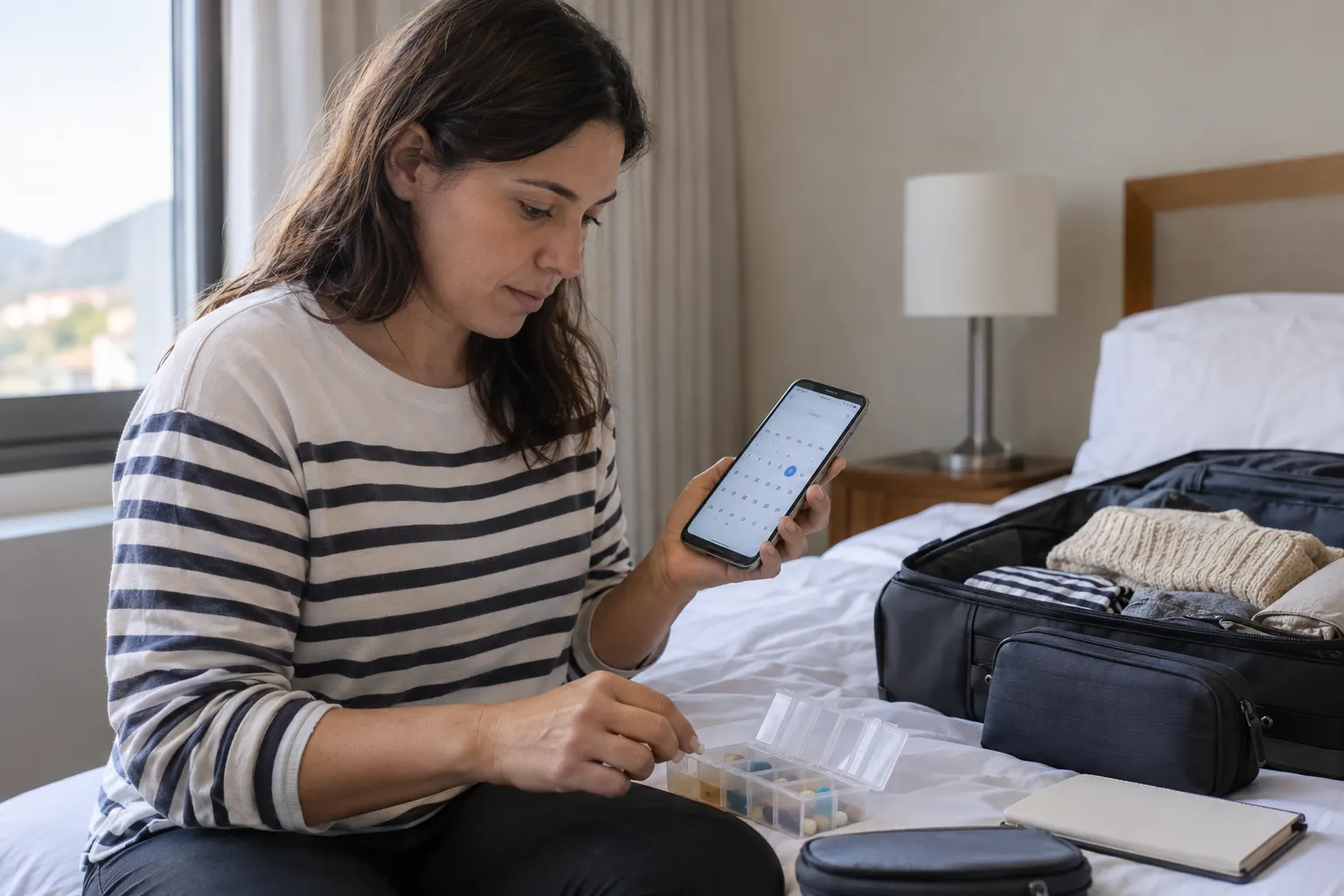
Traveling with a Pituitary Disorder: Medications, Schedules, and Fasting
How to plan medications, time-zone changes, fasting, and follow-up care if you have a pituitary disorder. An educational guide for people in Bogotá and Colombia; discuss specific instructions with your medical team.
5 min de lectura
Publicado: 11 de noviembre de 2026 · Actualizado: 11 de noviembre de 2026
Not Every Pituitary Lesion Needs Immediate Treatment: When Monitoring May Be Considered
Learn which factors your care team may consider when deciding whether a pituitary lesion needs immediate treatment or planned follow-up.

5 min de lectura
Publicado: 25 de octubre de 2026 · Actualizado: 25 de octubre de 2026
Is It the Pituitary or Something Else? Factors That Can Resemble Hormonal Symptoms
Fatigue and changes in sleep and appetite can have many explanations and do not, by themselves, identify a pituitary problem. Learn what information to track and when to seek medical evaluation.

6 min de lectura
Publicado: 24 de octubre de 2026 · Actualizado: 24 de octubre de 2026
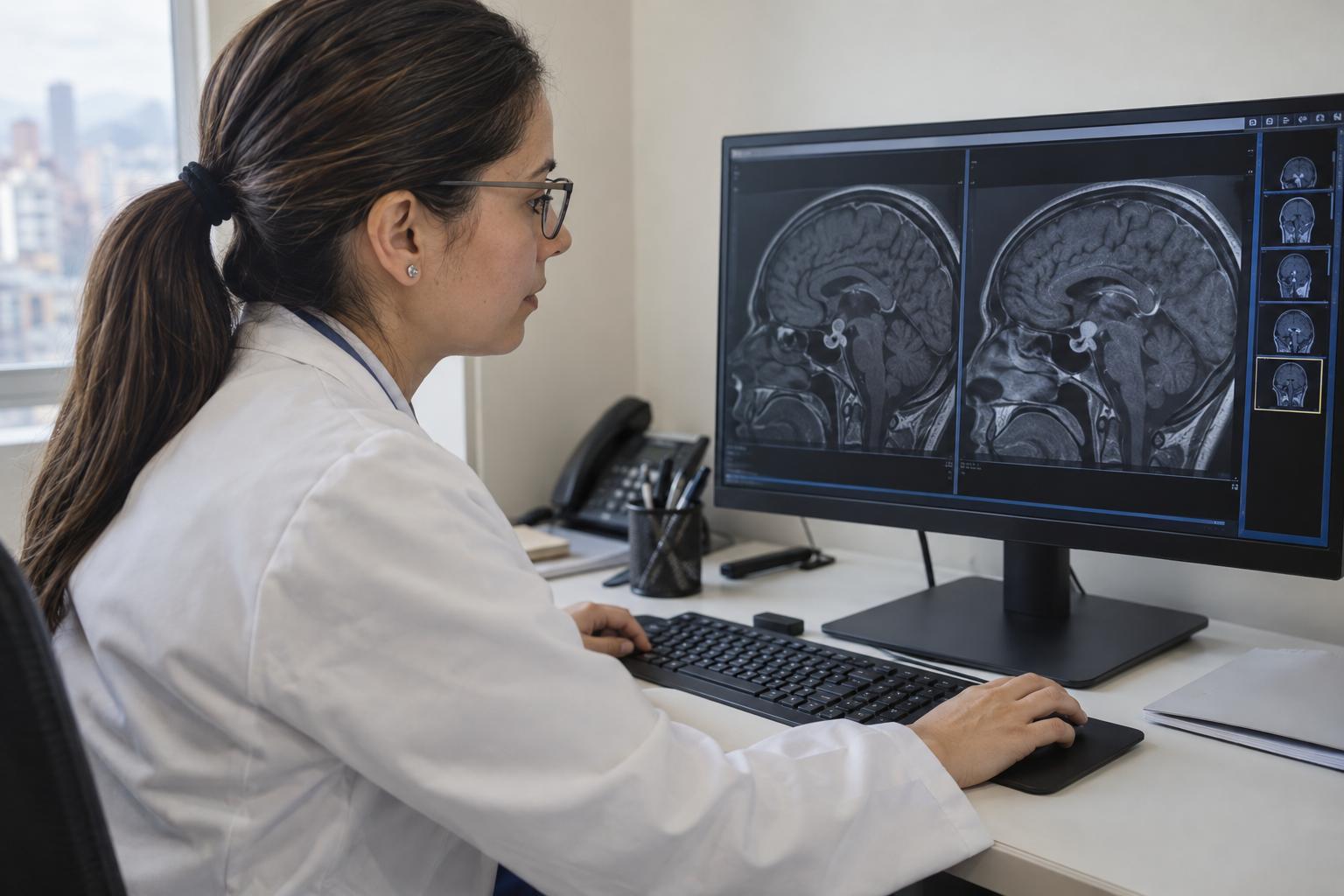
From Consultation to Imaging: How a Pituitary Evaluation Is Organized
Learn how a possible pituitary disorder is evaluated and why the medical history, hormone tests, and imaging are recommended based on each person’s findings.
6 min de lectura
Publicado: 23 de octubre de 2026 · Actualizado: 23 de octubre de 2026
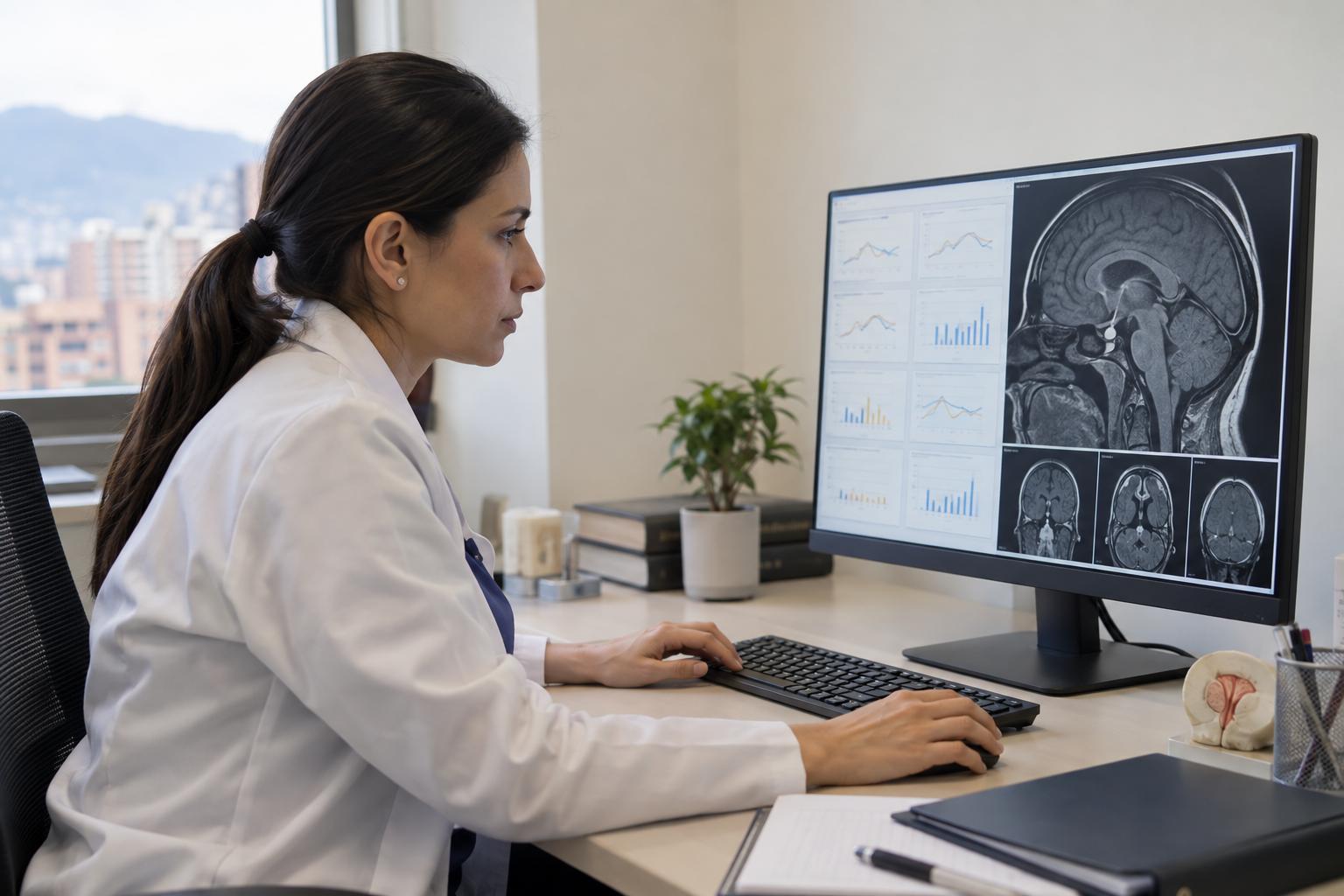
Why the Pituitary Gland Can Be Affected: Predisposition, Triggers, and Confirmed Causes
Learn the difference between predisposition, possible associated factors, and medical causes of a pituitary disorder, and why its evaluation depends on the hormone affected.

5 min de lectura
Publicado: 21 de octubre de 2026 · Actualizado: 21 de octubre de 2026
Track Your Pituitary Health Without Monitoring Every Sensation
Learn how to note relevant changes according to your follow-up plan, without checking every sensation or turning tracking into a daily obligation.