Educational article
Is It the Pituitary or Something Else? Factors That Can Resemble Hormonal Symptoms

Educational content. It does not replace an individual medical assessment and should not be used for self-medication.

Symptoms alone do not identify the cause
Noticing less energy, sleeping differently, or experiencing changes in appetite may lead you to think of a hormonal cause. However, these symptoms have many possible explanations and do not, by themselves, determine whether the pituitary gland is involved. A recent change in your routine or treatment also does not confirm the cause.
Recent changes worth recording
Make a note of whether your schedule or sleep quality has changed in recent weeks or months, whether you have had a recent illness, whether you have been going through a period of increased stress, or whether you have started, changed, or adjusted a prescribed treatment. This information provides context for an evaluation, but does not prove the cause of your symptoms.
Medications: keep a record and consult before making changes
Some medications can affect energy, sleep, appetite, or your overall sense of well-being. The effect varies from person to person and depends on the treatment. Write down what you take and when the changes began, and discuss this with a health care professional. Do not stop, change, or adjust a treatment on your own.
There may also be causes unrelated to the pituitary
Fatigue and other changes may be associated, among other possibilities, with sleep problems, a recent infection, anemia, mood changes, or conditions affecting other parts of the body. These are examples, not a list for self-diagnosis or for ruling out a hormonal cause. The evaluation depends on your symptoms, medical history, and how they have changed over time.
Timing alone does not prove the cause
If a symptom appears after you start a medication, go through a stressful period, or change your schedule, that is useful information, but it does not prove that the factor caused the symptom. Several factors may also coincide. Avoid concluding on your own that the cause is hormonal or solely due to stress.
When to seek medical evaluation
Request an evaluation if the changes persist, worsen, or affect your usual activities, or if you have concerns about a possible connection between a symptom and a treatment. The health care professional will consider your symptoms as a whole, your medical history, and how they have changed over time. Based on the evaluation, they will determine whether tests or a specialist evaluation are needed.
How to prepare for your appointment
Record what changes you notice, when they began, how they have developed, and how much they interfere with your activities. Include the medications you take, your health history, and recent changes in sleep or routine. You do not need to arrive with a cause identified; a clear description helps guide the evaluation and does not replace clinical judgment.
When to seek medical care
If symptoms persist, test results are abnormal, or you have questions about medication, arrange an individual assessment. Do not change treatment or doses without medical guidance.
Frequently asked questions
Does fatigue mean I have a pituitary problem?
Not necessarily. Fatigue has many possible causes and, by itself, does not show whether the pituitary gland is involved. If it persists, worsens, or limits your activities, seek a medical evaluation.
If my symptoms started after a medication change, should I stop taking it?
Do not stop or change it on your own. Tell the professional who prescribed it when your symptoms began and what treatment you take so you can discuss the next steps.
What information should I bring to my appointment?
Note when the changes began, how they have developed, which activities they affect, and what medications or health history may be relevant. The evaluation considers this information as a whole.
Does this topic resonate with you?
Every case is different. Book a consultation to review your history, test results and goals with a personalized plan.
More articles about Pituitary health
6 min de lectura
Publicado: 12 de noviembre de 2026 · Actualizado: 12 de noviembre de 2026
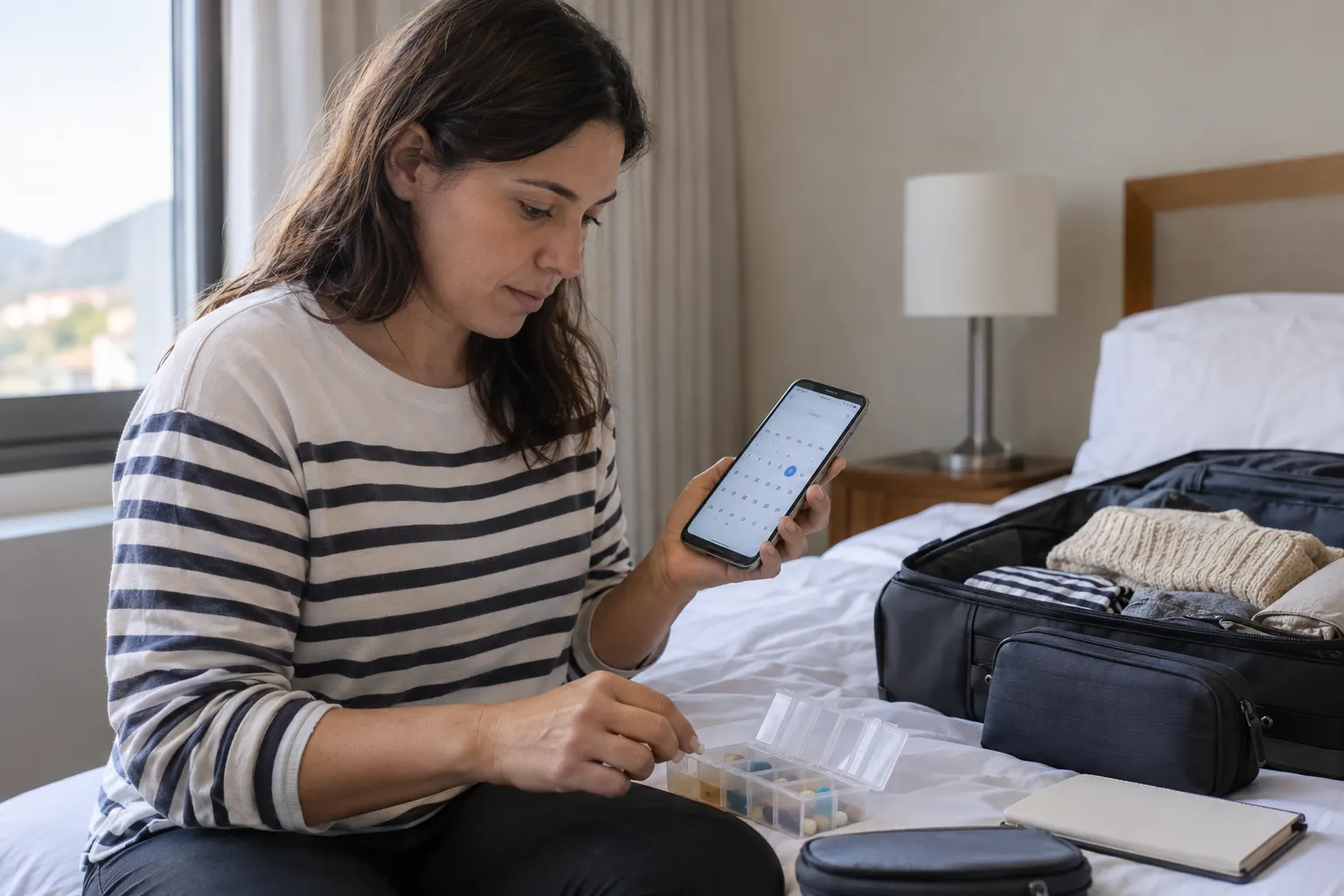
Traveling with a Pituitary Disorder: Medications, Schedules, and Fasting
How to plan medications, time-zone changes, fasting, and follow-up care if you have a pituitary disorder. An educational guide for people in Bogotá and Colombia; discuss specific instructions with your medical team.

6 min de lectura
Publicado: 11 de noviembre de 2026 · Actualizado: 11 de noviembre de 2026
First Review of a Pituitary Lesion: Documents and Questions to Bring
How to organize reports, images, available results, and medical history for your first review of a pituitary lesion, and what questions to ask about the evaluation and next steps.
5 min de lectura
Publicado: 11 de noviembre de 2026 · Actualizado: 11 de noviembre de 2026
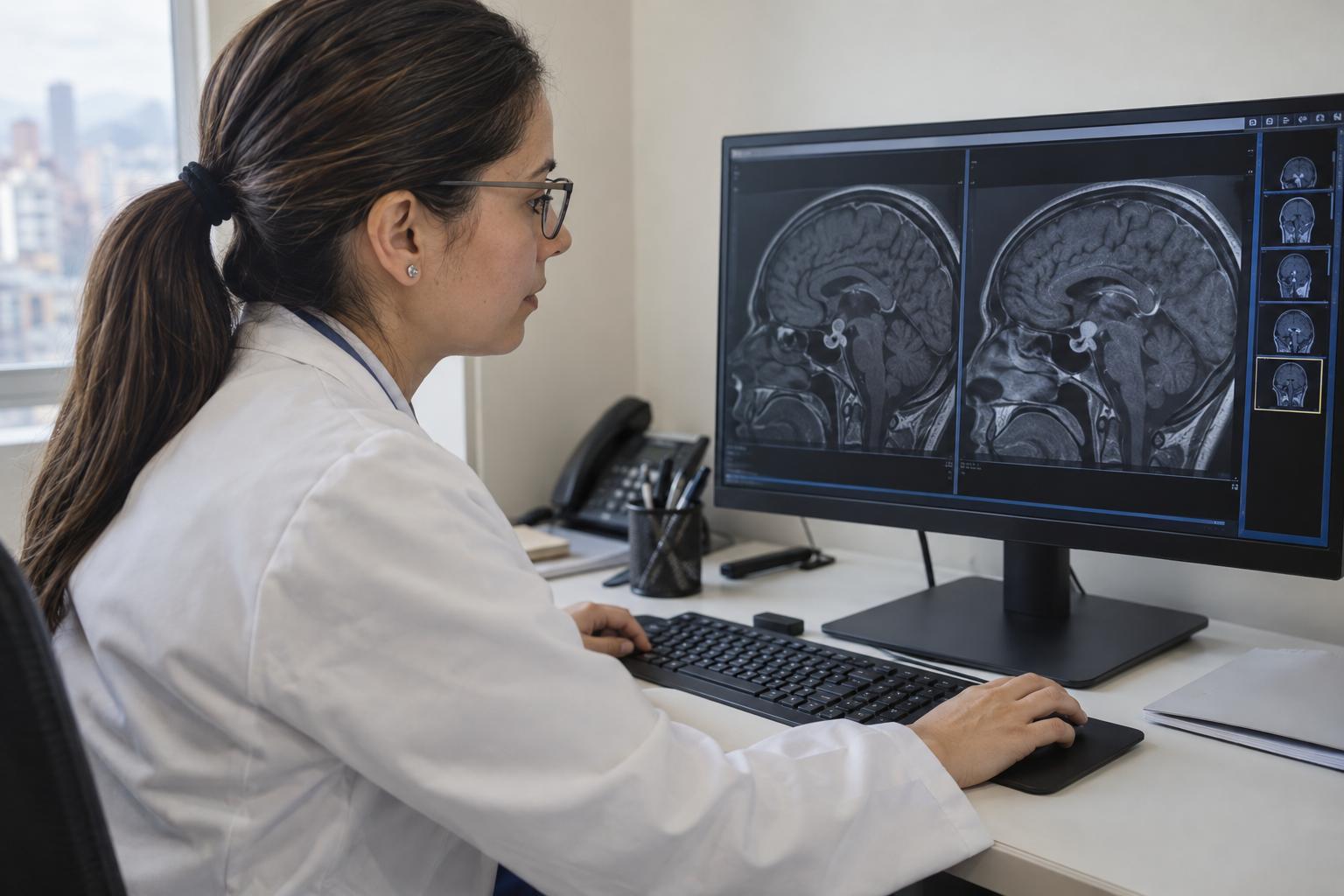
Not Every Pituitary Lesion Needs Immediate Treatment: When Monitoring May Be Considered
Learn which factors your care team may consider when deciding whether a pituitary lesion needs immediate treatment or planned follow-up.

6 min de lectura
Publicado: 24 de octubre de 2026 · Actualizado: 24 de octubre de 2026
From Consultation to Imaging: How a Pituitary Evaluation Is Organized
Learn how a possible pituitary disorder is evaluated and why the medical history, hormone tests, and imaging are recommended based on each person’s findings.

6 min de lectura
Publicado: 23 de octubre de 2026 · Actualizado: 23 de octubre de 2026
Why the Pituitary Gland Can Be Affected: Predisposition, Triggers, and Confirmed Causes
Learn the difference between predisposition, possible associated factors, and medical causes of a pituitary disorder, and why its evaluation depends on the hormone affected.

6 min de lectura
Publicado: 17 de octubre de 2026 · Actualizado: 17 de octubre de 2026
After Pituitary Surgery: Home Care and Safe Recovery
General guidance for recovery at home after transsphenoidal pituitary surgery, including nasal and activity-related care as directed at discharge, hormone follow-up, and symptoms to report to your care team.