Educational article
Not Every Pituitary Lesion Needs Immediate Treatment: When Monitoring May Be Considered

Educational content. It does not replace an individual medical assessment and should not be used for self-medication.
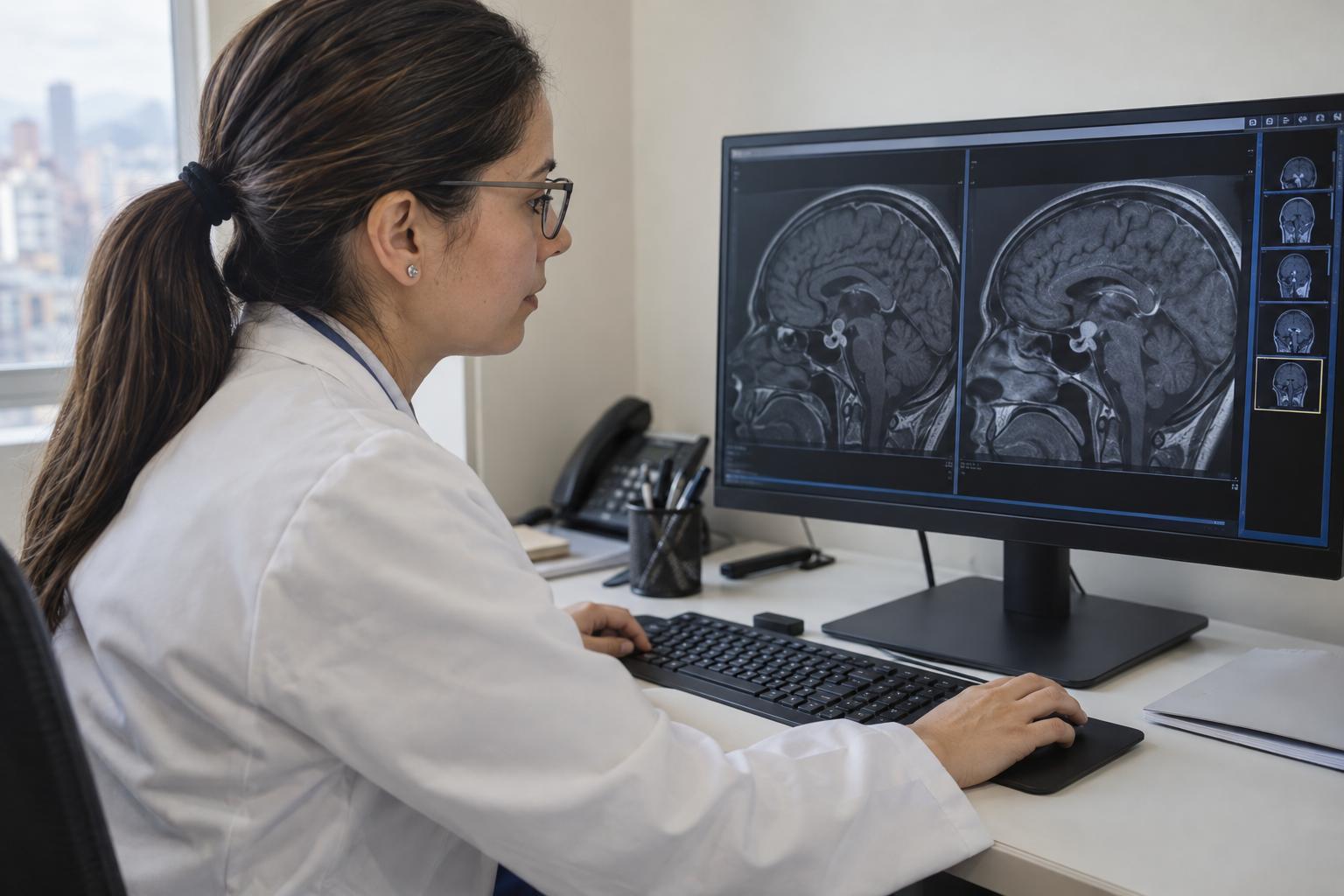
Monitoring is also a clinical decision
Finding a pituitary lesion can be concerning, especially if your care team recommends follow-up instead of starting treatment right away. Clinical monitoring does not mean ignoring the finding: it involves reassessing it as planned and adjusting the approach if the available information changes. The decision depends on the features of each lesion and each person’s situation.
Factors that guide the decision
Your care team considers the lesion’s appearance and size along with your medical history, symptoms, and how they change over time. The team may also assess hormone production and the lesion’s relationship to nearby structures. No single finding—including size—determines on its own whether observation or another approach is appropriate.
What follow-up may include
Depending on the case, the plan may include clinical checkups, hormone tests, and repeat imaging. Your care team determines which evaluations are needed and when; there is no single MRI schedule that applies to everyone. Ask who will review the results, how you will receive guidance, and when the plan is expected to be reassessed.
When to report changes
Tell your care team if new symptoms appear or if symptoms you already had change. Ask which signs, in your particular situation, should prompt you to get in touch before your scheduled checkup and which contact method to use. Do not dismiss changes or assume you can wait until the next follow-up.
Agree on an individualized plan
If it is not clear why monitoring is being recommended instead of immediate treatment, ask your care team to explain how the type of lesion, symptoms, hormone function, and imaging findings affect your case. Confirm which follow-up checks are planned and how their results will be reviewed. This content is educational and does not replace a medical evaluation.
Frequently asked questions
General answers do not replace guidance from the care team familiar with the features of the lesion and each person’s clinical situation.
When to seek medical care
If symptoms persist, test results are abnormal, or you have questions about medication, arrange an individual assessment. Do not change treatment or doses without medical guidance.
Frequently asked questions
Does monitoring a pituitary lesion mean nothing will be done?
Not necessarily. Monitoring is planned follow-up that may include a clinical evaluation, hormone tests, and imaging, depending on the case.
Can all small pituitary lesions be monitored?
No. Size alone does not determine the approach; the type and appearance of the lesion, symptoms, hormone function, and its relationship to nearby structures are also considered.
What should I do if a new symptom appears during follow-up?
Contact your care team for guidance based on your situation. Ask in advance which contact method to use to report changes.
Does this topic resonate with you?
Every case is different. Book a consultation to review your history, test results and goals with a personalized plan.
More articles about Pituitary health
6 min de lectura
Publicado: 12 de noviembre de 2026 · Actualizado: 12 de noviembre de 2026
Traveling with a Pituitary Disorder: Medications, Schedules, and Fasting
How to plan medications, time-zone changes, fasting, and follow-up care if you have a pituitary disorder. An educational guide for people in Bogotá and Colombia; discuss specific instructions with your medical team.

6 min de lectura
Publicado: 11 de noviembre de 2026 · Actualizado: 11 de noviembre de 2026
First Review of a Pituitary Lesion: Documents and Questions to Bring
How to organize reports, images, available results, and medical history for your first review of a pituitary lesion, and what questions to ask about the evaluation and next steps.

5 min de lectura
Publicado: 25 de octubre de 2026 · Actualizado: 25 de octubre de 2026
Is It the Pituitary or Something Else? Factors That Can Resemble Hormonal Symptoms
Fatigue and changes in sleep and appetite can have many explanations and do not, by themselves, identify a pituitary problem. Learn what information to track and when to seek medical evaluation.

6 min de lectura
Publicado: 24 de octubre de 2026 · Actualizado: 24 de octubre de 2026
From Consultation to Imaging: How a Pituitary Evaluation Is Organized
Learn how a possible pituitary disorder is evaluated and why the medical history, hormone tests, and imaging are recommended based on each person’s findings.

6 min de lectura
Publicado: 23 de octubre de 2026 · Actualizado: 23 de octubre de 2026
Why the Pituitary Gland Can Be Affected: Predisposition, Triggers, and Confirmed Causes
Learn the difference between predisposition, possible associated factors, and medical causes of a pituitary disorder, and why its evaluation depends on the hormone affected.

6 min de lectura
Publicado: 18 de octubre de 2026 · Actualizado: 18 de octubre de 2026
When a Pituitary Treatment Plan Helps Only Partially: Practical Points Worth Reviewing
If treatment for a pituitary condition seems to help only partially, reviewing its day-to-day use, any difficulties, and the agreed-upon goals can provide context for a discussion with your care team. Do not adjust your treatment on your own.