Educational article
Stress, Head Injuries, and Habits: What Does Not Explain a Pituitary Problem on Its Own

Educational content. It does not replace an individual medical assessment and should not be used for self-medication.

A coincidence does not prove a cause
A symptom may begin during a stressful period, after a blow, or following a change in routine. The timing is useful information, but on its own it does not prove that the pituitary gland is affected. This guide can help you organize your history; it cannot be used to self-diagnose.
1. Pituitary disorders have different causes
The pituitary gland can undergo structural changes or changes in hormone production and regulation. There is no single explanation for every case: evaluation depends on symptoms, medical history, and clinical findings. When a symptom began is not enough to identify its cause.
2. Stress may coincide with symptoms, but it does not confirm an injury
Stress can affect how a person feels and may be associated with changes in some hormonal processes. However, it does not allow you to conclude that there is a pituitary injury, nor does it usually explain a structural change on its own. If symptoms began during a difficult period, keep track of how they progress without assuming a cause in advance.
3. Report significant head injuries
A significant head injury can affect hormone function in some cases, so it is relevant to mention it to a health care professional. A blow to the head, by itself, does not confirm pituitary damage: its significance depends on the circumstances, the course of symptoms, and clinical findings.
4. Changes in routine do not identify the cause on their own
Changes in schedule, sleep, or activity may coincide with symptoms and provide context, but they cannot determine whether a pituitary disorder is present. Describe what changed and when, along with how your symptoms have progressed, rather than assuming a cause-and-effect relationship.
5. Gather specific information for your evaluation
Write down which symptoms persist, when they began, and how they have changed. If you had a head injury, note when it occurred and how significant it was; include medications and previous hormone test results, if available. This information can guide the conversation, but it does not confirm a diagnosis on its own.
6. When to seek an evaluation
Consult a health care professional if symptoms persist or change significantly, or if hormone abnormalities have already been identified in tests. Bring any available results and discuss your questions about stress, head injuries, or changes in routine. The professional can assess which explanations are plausible and whether additional testing is needed.
Agree on next steps
Ask which findings need follow-up, when, and which symptoms would warrant another consultation. Do not interpret a single test result or start, stop, or change treatments on your own. This educational information does not replace a professional evaluation.
When to seek medical care
If symptoms persist, test results are abnormal, or you have questions about medication, arrange an individual assessment. Do not change treatment or doses without medical guidance.
Frequently asked questions
Can stress cause a pituitary problem?
Stress can affect how a person feels and may be associated with some hormonal processes, but it does not confirm an injury or, by itself, establish that a pituitary disorder is present. The cause is evaluated in the clinical context.
Can a blow to the head affect pituitary hormones?
A significant head injury can affect hormone function in some cases. Not every blow causes a disorder; report the history, especially if symptoms persist or documented hormone changes are present.
How can I tell whether a symptom is related to the pituitary gland?
Timing alone does not prove a relationship. A professional considers how symptoms have progressed, your medical history, and any test or imaging results they consider relevant.
Does this topic resonate with you?
Every case is different. Book a consultation to review your history, test results and goals with a personalized plan.
More articles about Pituitary health

6 min de lectura
Publicado: 12 de noviembre de 2026 · Actualizado: 12 de noviembre de 2026
Traveling with a Pituitary Disorder: Medications, Schedules, and Fasting
How to plan medications, time-zone changes, fasting, and follow-up care if you have a pituitary disorder. An educational guide for people in Bogotá and Colombia; discuss specific instructions with your medical team.

6 min de lectura
Publicado: 11 de noviembre de 2026 · Actualizado: 11 de noviembre de 2026
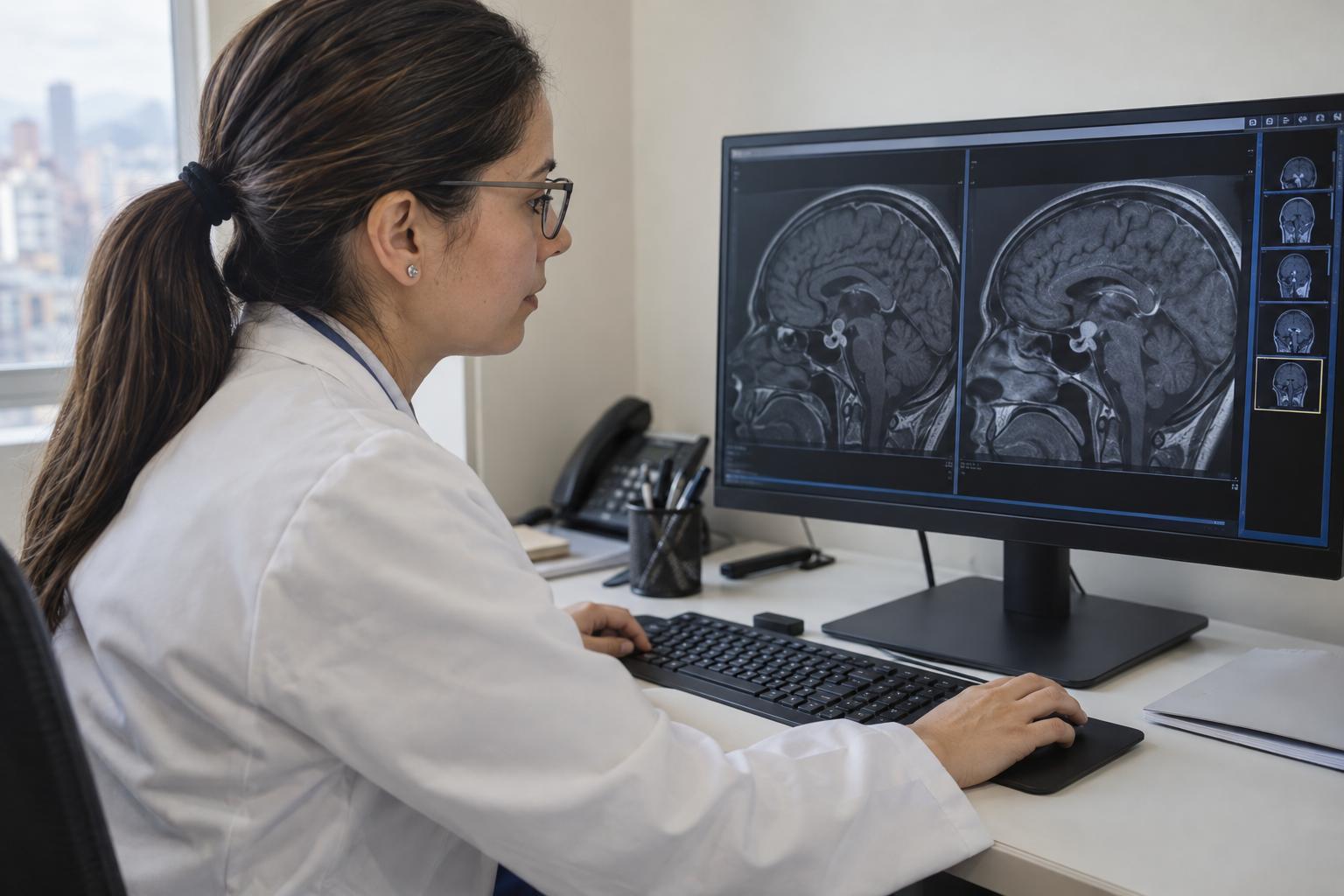
First Review of a Pituitary Lesion: Documents and Questions to Bring
How to organize reports, images, available results, and medical history for your first review of a pituitary lesion, and what questions to ask about the evaluation and next steps.
5 min de lectura
Publicado: 11 de noviembre de 2026 · Actualizado: 11 de noviembre de 2026
Not Every Pituitary Lesion Needs Immediate Treatment: When Monitoring May Be Considered
Learn which factors your care team may consider when deciding whether a pituitary lesion needs immediate treatment or planned follow-up.

5 min de lectura
Publicado: 25 de octubre de 2026 · Actualizado: 25 de octubre de 2026
Is It the Pituitary or Something Else? Factors That Can Resemble Hormonal Symptoms
Fatigue and changes in sleep and appetite can have many explanations and do not, by themselves, identify a pituitary problem. Learn what information to track and when to seek medical evaluation.

6 min de lectura
Publicado: 24 de octubre de 2026 · Actualizado: 24 de octubre de 2026
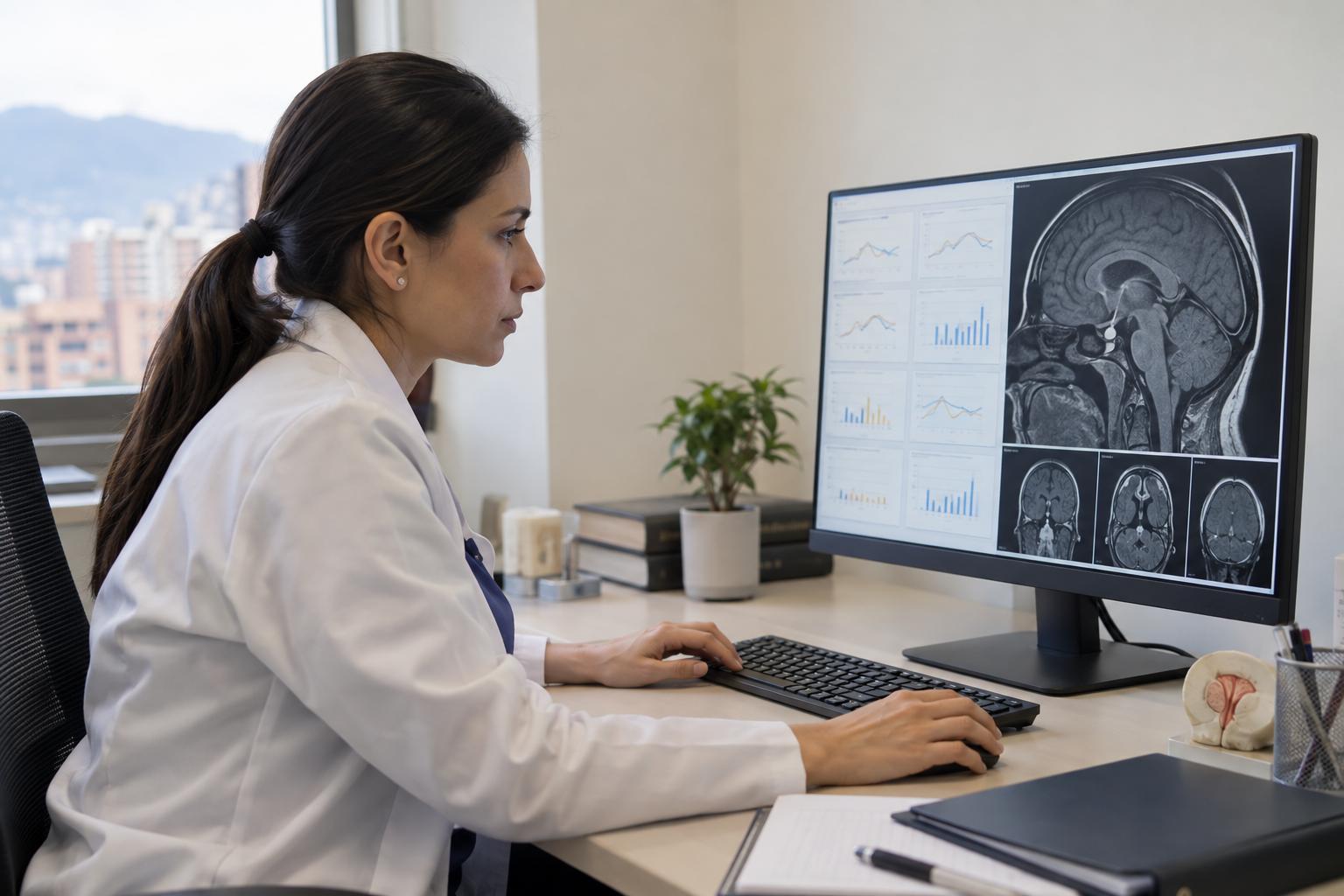
From Consultation to Imaging: How a Pituitary Evaluation Is Organized
Learn how a possible pituitary disorder is evaluated and why the medical history, hormone tests, and imaging are recommended based on each person’s findings.
6 min de lectura
Publicado: 23 de octubre de 2026 · Actualizado: 23 de octubre de 2026
Why the Pituitary Gland Can Be Affected: Predisposition, Triggers, and Confirmed Causes
Learn the difference between predisposition, possible associated factors, and medical causes of a pituitary disorder, and why its evaluation depends on the hormone affected.