Educational article
Before a Pituitary Test: Everyday Details That Can Affect the Result

Educational content. It does not replace an individual medical assessment and should not be used for self-medication.

Confirm the instructions for this test
There is no single preparation routine for tests related to the pituitary gland. Some tests may require a specific time or particular conditions; others do not require fasting. Review the order and the instructions from your healthcare professional and laboratory. If anything is unclear, ask before changing your routine: instructions for one test may not apply to another.
Ask about the time and fasting
Confirm what time you should arrive and whether the sample must be collected at a specific time of day. The levels of some hormones can vary depending on the time, so let the laboratory know if you cannot meet the specified time. Do not assume that you need to fast: follow the specific instructions and ask what you may eat or drink if the order does not clarify this.
Report recent changes in sleep, health, or activity
A significant disruption in sleep, a recent illness, or intense exercise shortly before sample collection may be useful information when evaluating certain measurements, although its relevance depends on the test. If you feel ill on the day of the test or something unusual has happened, tell the healthcare staff. Do not impose restrictions on yourself; follow the recommendations you were given.
Report medications and supplements
Tell the healthcare professional and laboratory what medications and supplements you use, following their instructions. Do not stop, delay, or change a treatment to prepare for the test without authorization. If you have questions about a dose that is due close to the sample collection, ask how to proceed.
If things did not go as planned
If you arrived at a different time, did not follow an instruction, or the test coincided with an illness or a significant change in your routine, tell the healthcare professional who ordered it. Do not repeat the test on your own or conclude that a single result confirms a pituitary disorder. Whether to repeat the test and the conditions for doing so depend on the test and your clinical situation.
Before you leave
Review the order, the time, and the instructions you received; have information about your medications ready and note any recent changes you think may be relevant. When you arrive, confirm the instructions with the laboratory. Discuss the result with the healthcare professional who ordered the test, who can interpret it in context and determine next steps.
When to seek medical care
If symptoms persist, test results are abnormal, or you have questions about medication, arrange an individual assessment. Do not change treatment or doses without medical guidance.
Frequently asked questions
Do I need to fast for all pituitary hormone tests?
No. Whether you need to fast depends on the test and the instructions you received. Confirm with the laboratory or your healthcare professional rather than applying a general rule.
What should I do if I slept poorly or exercised intensely before the test?
Tell the laboratory staff or the healthcare professional who ordered the test about the change. Its relevance depends on the test; do not cancel or repeat the test on your own.
Should I stop taking my medications before the sample is collected?
Do not stop or change medications without guidance from a healthcare professional. Tell them which medications you use and ask if you have questions about what to do for this test.
Does this topic resonate with you?
Every case is different. Book a consultation to review your history, test results and goals with a personalized plan.
More articles about Pituitary health
6 min de lectura
Publicado: 12 de noviembre de 2026 · Actualizado: 12 de noviembre de 2026
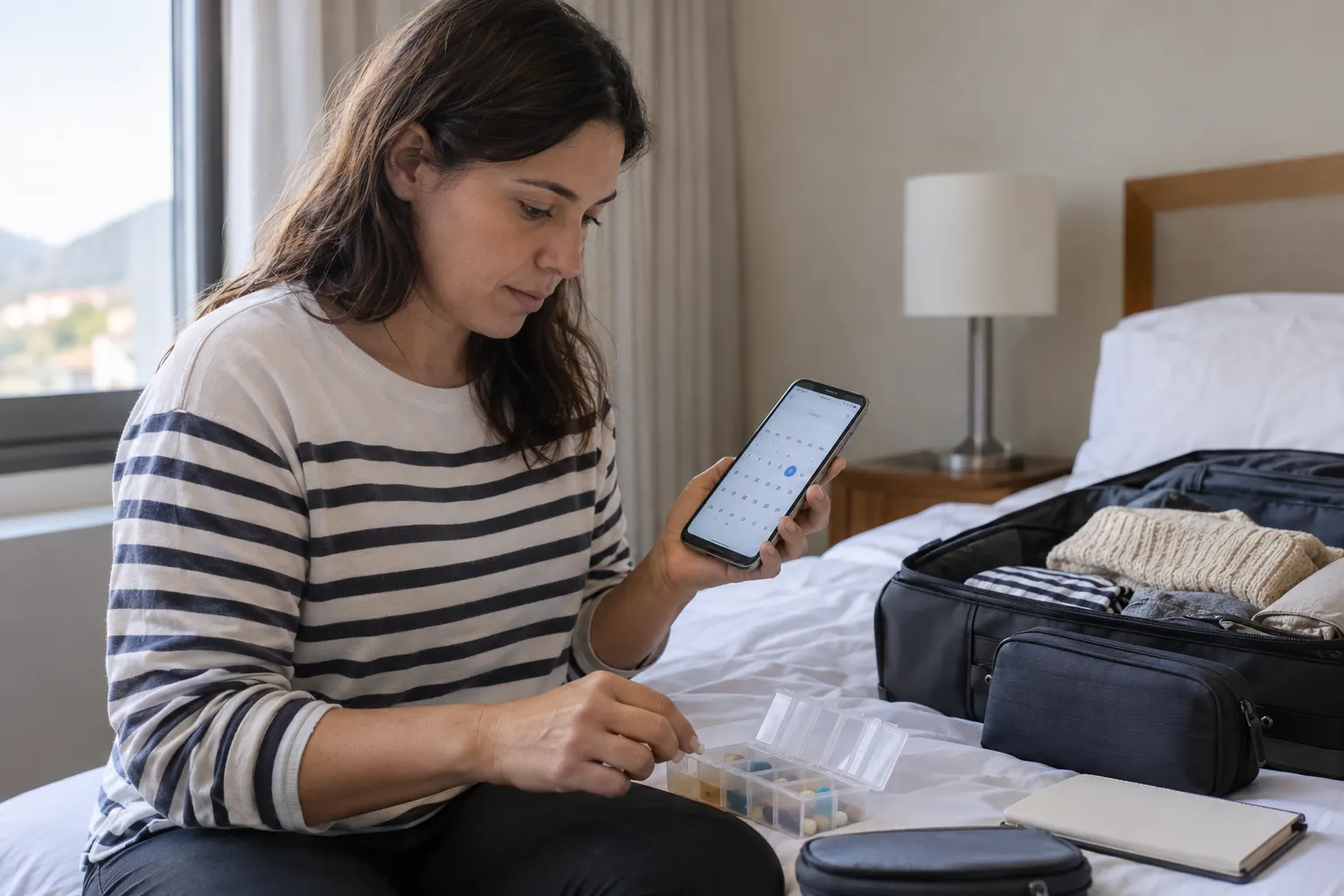
Traveling with a Pituitary Disorder: Medications, Schedules, and Fasting
How to plan medications, time-zone changes, fasting, and follow-up care if you have a pituitary disorder. An educational guide for people in Bogotá and Colombia; discuss specific instructions with your medical team.

6 min de lectura
Publicado: 11 de noviembre de 2026 · Actualizado: 11 de noviembre de 2026
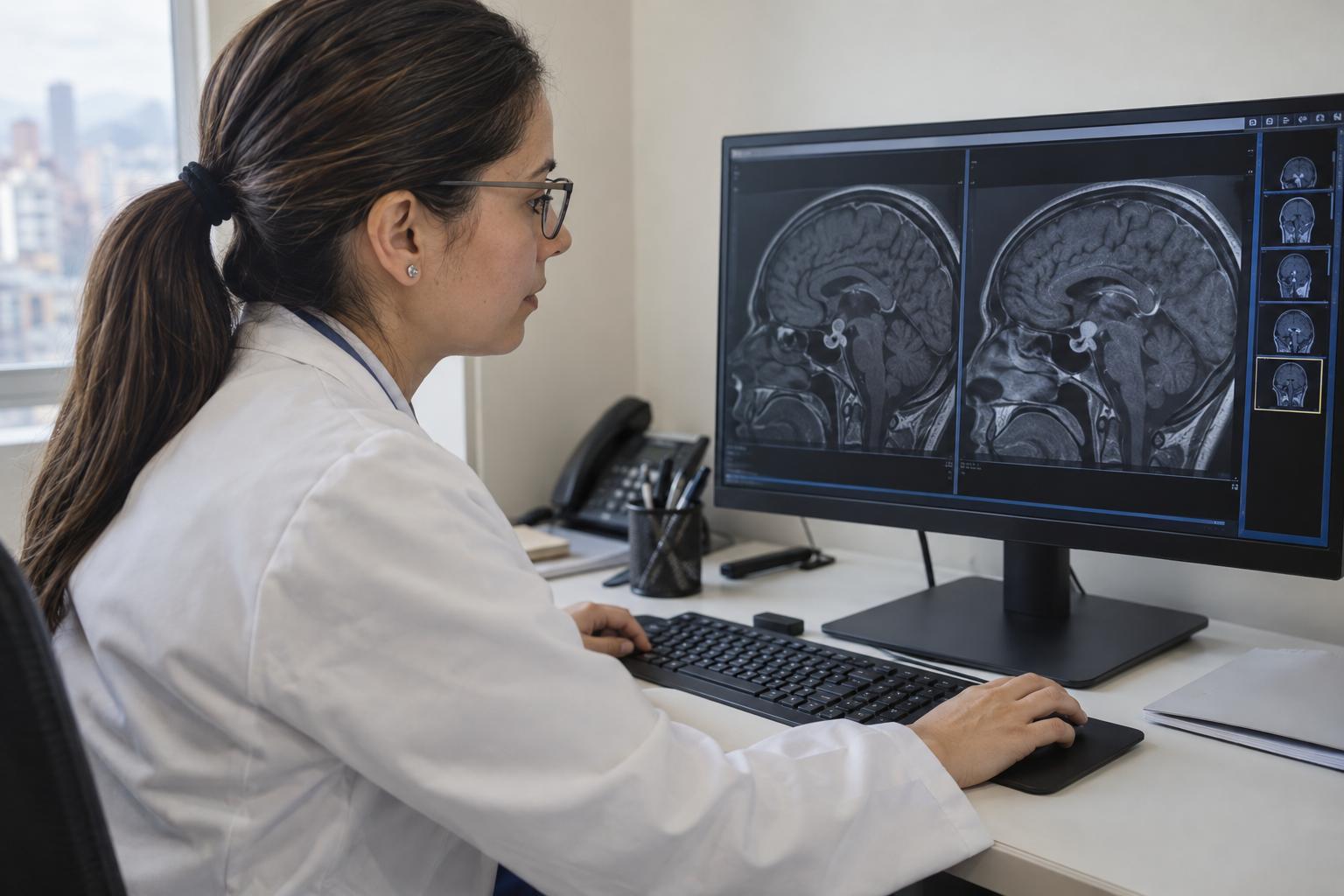
First Review of a Pituitary Lesion: Documents and Questions to Bring
How to organize reports, images, available results, and medical history for your first review of a pituitary lesion, and what questions to ask about the evaluation and next steps.
5 min de lectura
Publicado: 11 de noviembre de 2026 · Actualizado: 11 de noviembre de 2026
Not Every Pituitary Lesion Needs Immediate Treatment: When Monitoring May Be Considered
Learn which factors your care team may consider when deciding whether a pituitary lesion needs immediate treatment or planned follow-up.

5 min de lectura
Publicado: 25 de octubre de 2026 · Actualizado: 25 de octubre de 2026
Is It the Pituitary or Something Else? Factors That Can Resemble Hormonal Symptoms
Fatigue and changes in sleep and appetite can have many explanations and do not, by themselves, identify a pituitary problem. Learn what information to track and when to seek medical evaluation.

6 min de lectura
Publicado: 24 de octubre de 2026 · Actualizado: 24 de octubre de 2026
From Consultation to Imaging: How a Pituitary Evaluation Is Organized
Learn how a possible pituitary disorder is evaluated and why the medical history, hormone tests, and imaging are recommended based on each person’s findings.

6 min de lectura
Publicado: 23 de octubre de 2026 · Actualizado: 23 de octubre de 2026
Why the Pituitary Gland Can Be Affected: Predisposition, Triggers, and Confirmed Causes
Learn the difference between predisposition, possible associated factors, and medical causes of a pituitary disorder, and why its evaluation depends on the hormone affected.