Educational article
Irregular Periods or Nipple Discharge: When to Evaluate Prolactin and the Pituitary Gland

Educational content. It does not replace an individual medical assessment and should not be used for self-medication.

How prolactin may be related to these symptoms
Prolactin is a hormone produced mainly by the pituitary gland, which is located at the base of the brain. It plays a role in milk production during breastfeeding. When prolactin is elevated in other circumstances, it may be associated with milky-looking discharge, menstrual changes, or changes in ovulation. These symptoms alone do not confirm that prolactin is high or that a pituitary gland disorder is present.
Menstrual changes and ovulation
In some people, elevated prolactin is associated with less frequent periods, irregular menstruation, or absent periods, and it may affect ovulation. However, these changes can also have many other causes. To help guide the evaluation, it is useful to discuss when they began, how they have changed, and whether pregnancy is possible. The menstrual pattern alone cannot identify the cause.
Nipple discharge outside of breastfeeding
Milky-looking discharge outside of breastfeeding may be related to prolactin, but it can also be associated with pregnancy, medications, or other conditions. The appearance and pattern can help guide the evaluation. Bloody discharge, discharge that comes out spontaneously from only one nipple, or discharge accompanied by a lump requires medical evaluation to consider breast-related causes.
Other causes and medications
Menstrual changes and discharge can have hormonal, thyroid, breast-related, or gynecological causes, among others. A healthcare professional may review your medical history, symptoms, and current medications. Do not stop or change a treatment on your own; if a medication could be contributing, the healthcare professional will advise you on how to evaluate that possibility.
What the evaluation may include
Depending on your symptoms and medical history, a healthcare professional may order a prolactin measurement or other tests. The choice and timing of tests depend on the circumstances, including whether pregnancy is possible and what medications you take. A single result is not interpreted in isolation and does not automatically demonstrate a pituitary gland disorder; additional evaluations may sometimes be needed.
When to seek medical advice
Make an appointment if menstrual changes or discharge outside of breastfeeding persist, recur, or concern you. Seek timely medical evaluation if the discharge is bloody, comes from only one nipple, or occurs along with a lump. New or progressive vision loss requires medical evaluation; seek urgent care for a sudden, severe headache.
What to avoid
Do not automatically attribute discharge or irregular periods to the pituitary gland, or interpret a hormone result on your own. Do not stop medications to see whether your symptoms change. Clinical evaluation helps consider different causes and determine whether tests are needed.
When to seek medical care
If symptoms persist, test results are abnormal, or you have questions about medication, arrange an individual assessment. Do not change treatment or doses without medical guidance.
Frequently asked questions
Does nipple discharge mean that my prolactin is high?
Not necessarily. It may be related to prolactin, but there can also be other causes. Bloody or one-sided discharge, or discharge accompanied by a lump, requires medical evaluation.
Do irregular periods confirm a pituitary gland problem?
No. They can have various causes. Based on your symptoms and medical history, a healthcare professional will decide whether measuring prolactin or ordering other tests is appropriate.
Should I stop a medication if I suspect it affects prolactin?
Do not stop or change it on your own. Discuss the medications you take with your healthcare professional.
Does this topic resonate with you?
Every case is different. Book a consultation to review your history, test results and goals with a personalized plan.
More articles about Pituitary health

6 min de lectura
Publicado: 12 de noviembre de 2026 · Actualizado: 12 de noviembre de 2026
Traveling with a Pituitary Disorder: Medications, Schedules, and Fasting
How to plan medications, time-zone changes, fasting, and follow-up care if you have a pituitary disorder. An educational guide for people in Bogotá and Colombia; discuss specific instructions with your medical team.

6 min de lectura
Publicado: 11 de noviembre de 2026 · Actualizado: 11 de noviembre de 2026
First Review of a Pituitary Lesion: Documents and Questions to Bring
How to organize reports, images, available results, and medical history for your first review of a pituitary lesion, and what questions to ask about the evaluation and next steps.
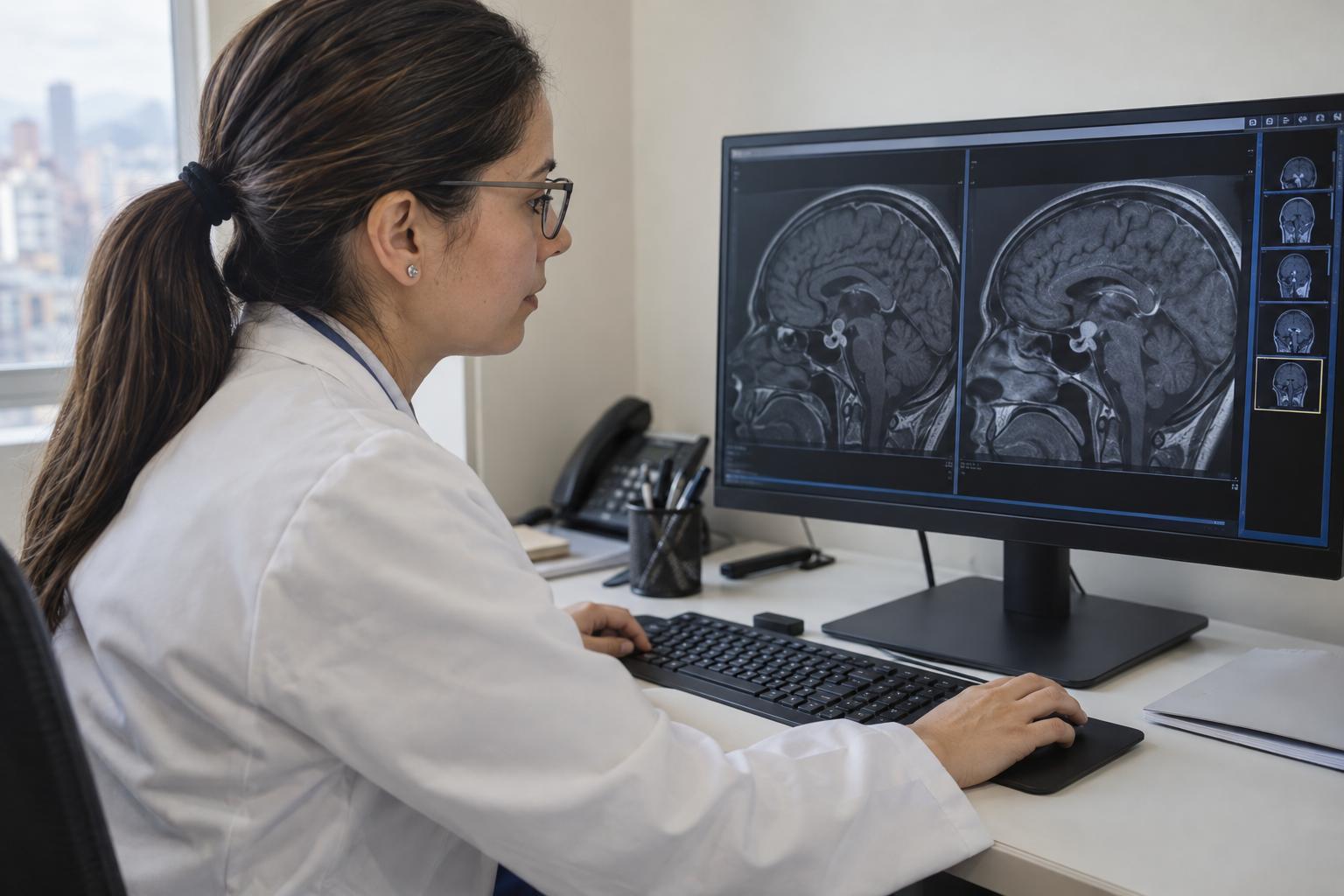
5 min de lectura
Publicado: 11 de noviembre de 2026 · Actualizado: 11 de noviembre de 2026
Not Every Pituitary Lesion Needs Immediate Treatment: When Monitoring May Be Considered
Learn which factors your care team may consider when deciding whether a pituitary lesion needs immediate treatment or planned follow-up.

5 min de lectura
Publicado: 25 de octubre de 2026 · Actualizado: 25 de octubre de 2026
Is It the Pituitary or Something Else? Factors That Can Resemble Hormonal Symptoms
Fatigue and changes in sleep and appetite can have many explanations and do not, by themselves, identify a pituitary problem. Learn what information to track and when to seek medical evaluation.

6 min de lectura
Publicado: 24 de octubre de 2026 · Actualizado: 24 de octubre de 2026
From Consultation to Imaging: How a Pituitary Evaluation Is Organized
Learn how a possible pituitary disorder is evaluated and why the medical history, hormone tests, and imaging are recommended based on each person’s findings.
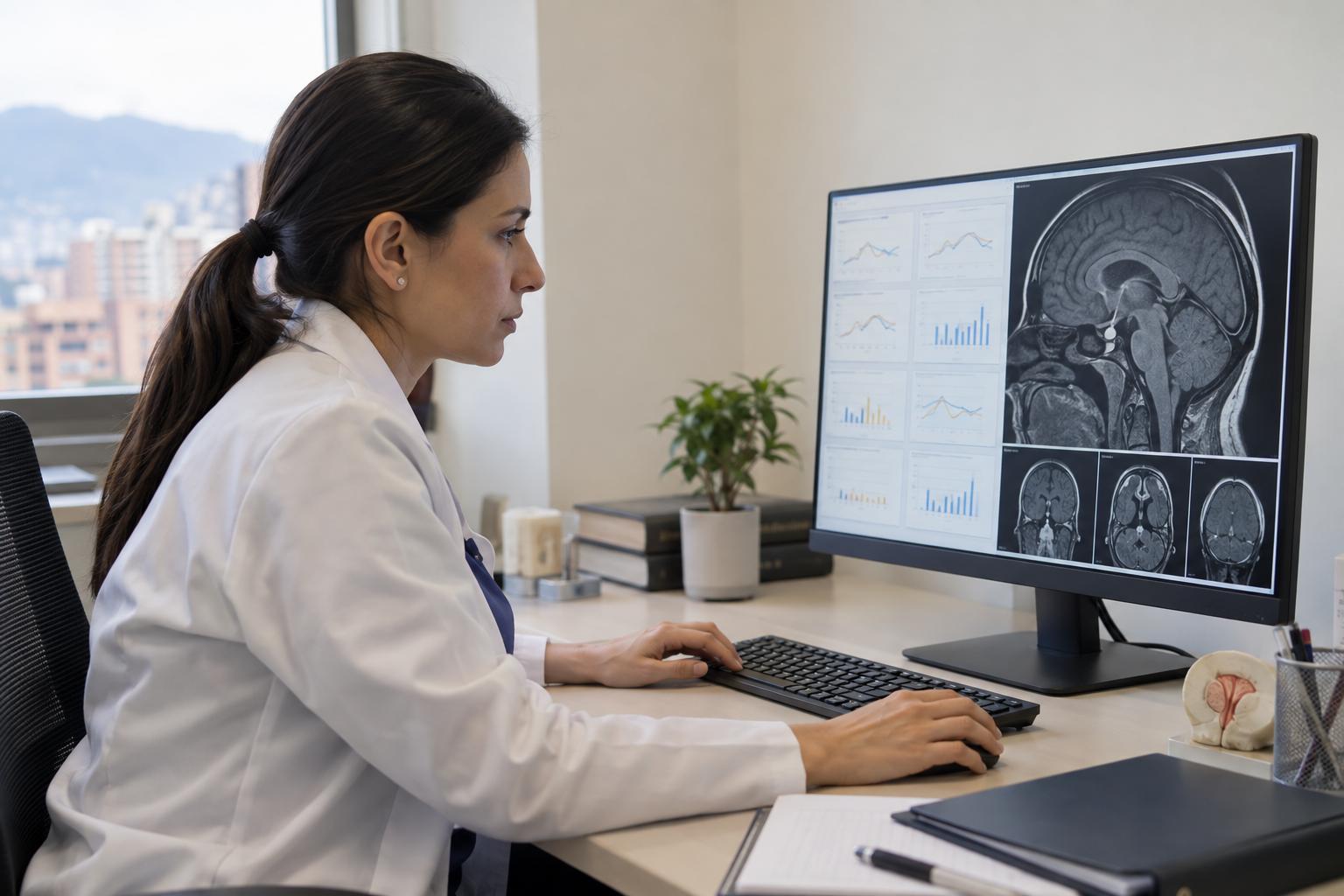
6 min de lectura
Publicado: 23 de octubre de 2026 · Actualizado: 23 de octubre de 2026
Why the Pituitary Gland Can Be Affected: Predisposition, Triggers, and Confirmed Causes
Learn the difference between predisposition, possible associated factors, and medical causes of a pituitary disorder, and why its evaluation depends on the hormone affected.